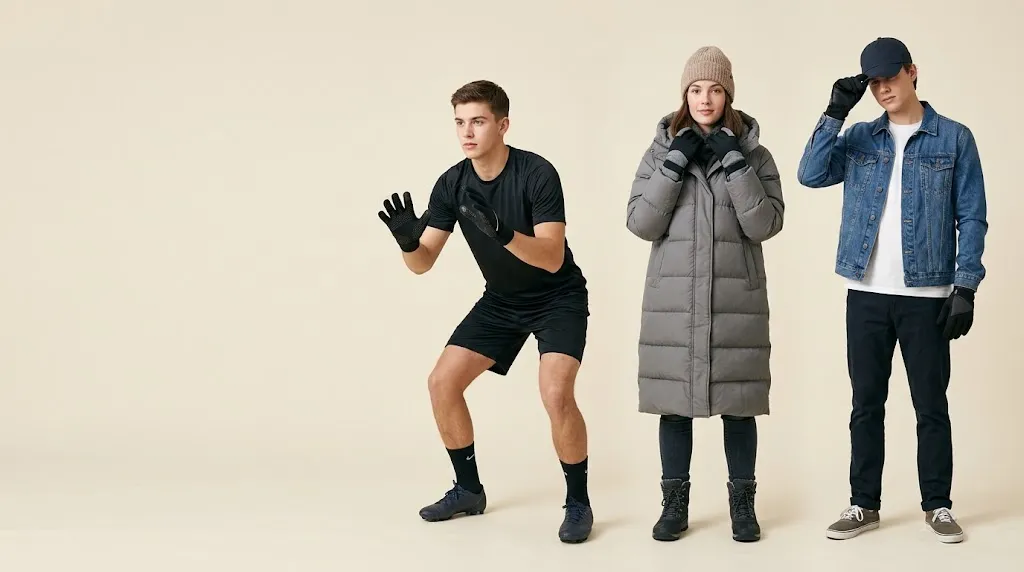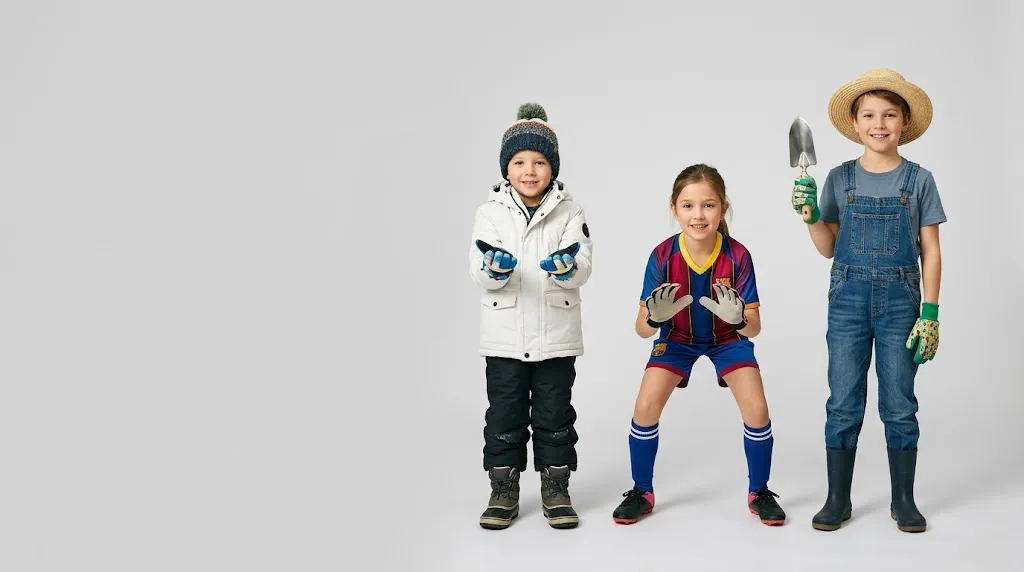
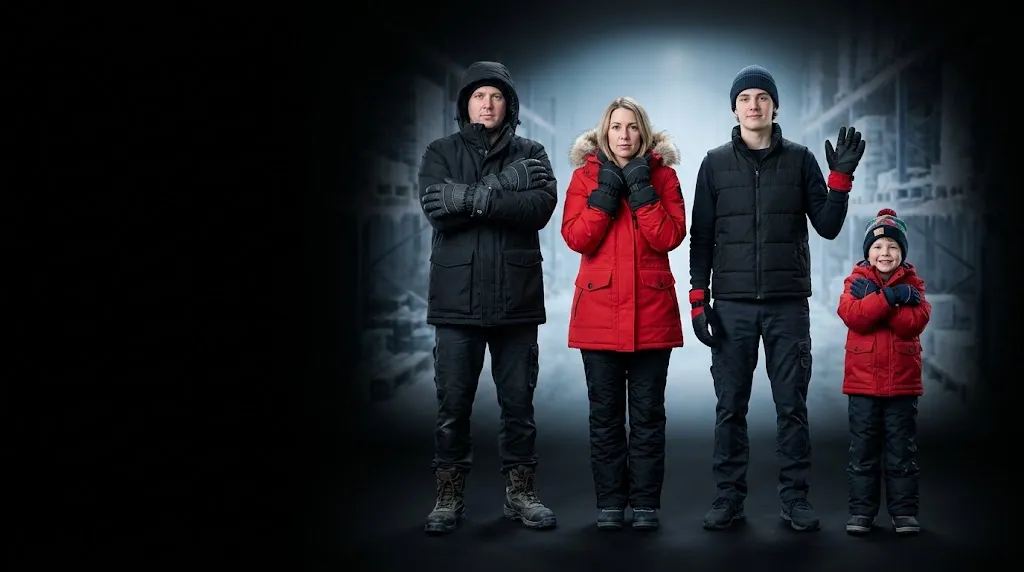
Procuring thermal glove liners wholesale equips outdoor sports companies and commercial safety distributors with essential moisture-regulating base layers. Extreme winter conditions require modular layering systems where internal liners actively draw perspiration away from skin tissue before moisture conducts ambient chill. Direct factory manufacturing provides high-precision knitting machine gauges, zero-friction flatlock seam architecture, and rapid fabric drying performance tailored to demanding commercial sports and industrial workwear specifications.
Moisture Wicking Mechanics in Multi-Layer Cold Weather Systems
Moisture accumulation inside insulated gloves represents the primary cause of rapid extremity cooling and subsequent frostbite injury. When physical exertion generates perspiration, liquid trapped against the epidermis conducts heat away from peripheral capillaries twenty-five times faster than still air. Technical base layer glove liners prevent this hazard by utilizing hydrophilic and capillary-action synthetic filaments that transport sweat outward to exterior evaporating shells. Seamless 13-gauge and 15-gauge computerized knits eliminate internal bulky seam allowances, ensuring liners fit snugly without causing painful pressure points inside fitted ski gauntlets or rigid work gloves. Maintaining dry skin microclimates maximizes wearer comfort and preserves essential fine-motor dexterity during prolonged exposure to harsh alpine environments.
Advanced Synthetic and Natural Fibre Knitting Formulations
Selecting yarn chemistry dictates glove liner elasticity, thermal retention, and long-term dimensional shape recovery. Hollow-core polyester microfibres mimic arctic animal fur by trapping insulating air within microscopic internal voids, providing surprising warmth with negligible physical bulk. Incorporating technical Coolmax or polypropylene filaments accelerates capillary liquid transport, making these yarns ideal for endurance running and cross-country ski applications. For luxury mountain collections, 18.5-micron superfine merino wool provides natural odour resistance and bio-climatic thermoregulation. Blending five to eight per cent Lycra elastane throughout the yarn structure delivers full anatomical contouring, ensuring fingers remain dexterous and preventing the liner from bunching or sagging inside outer gloves after repeated daily laundering.
- Ultra-fine 13-gauge to 18-gauge seamless computerized knit builds
- Advanced hollow-core polyester and merino wool fibre compositions
- Integrated Lycra elastane ensuring 360-degree anatomical contour fit
- Friction-free flatlock seams preventing blister formation during heavy use
- Featherweight profile weighing between 25 and 40 grams per pair
Touchscreen Conductivity and Low Profile Silicone Grip
Modern base layer liners must deliver standalone utility so workers and outdoor athletes can manage digital devices without exposing bare hands to sub-zero temperatures. We weave micro-engineered conductive silver or stainless-steel composite fibres directly into the index fingertips and thumb pads, establishing dependable capacitive touch screen responsiveness. In addition, applying low-profile micro-dot silicone traction patterns across palm contact zones provides reliable friction when handling delicate logistics scanners, ski poles, or mobile phones. Because these silicone patterns are applied with minimal raised profile, they do not create friction or bunching when inserted inside heavy exterior gauntlets. Offering dual-purpose standalone functionality significantly boosts retail marketability across diverse athletic and industrial sectors.
Cross-Industry Commercial Applications Beyond Alpine Sports
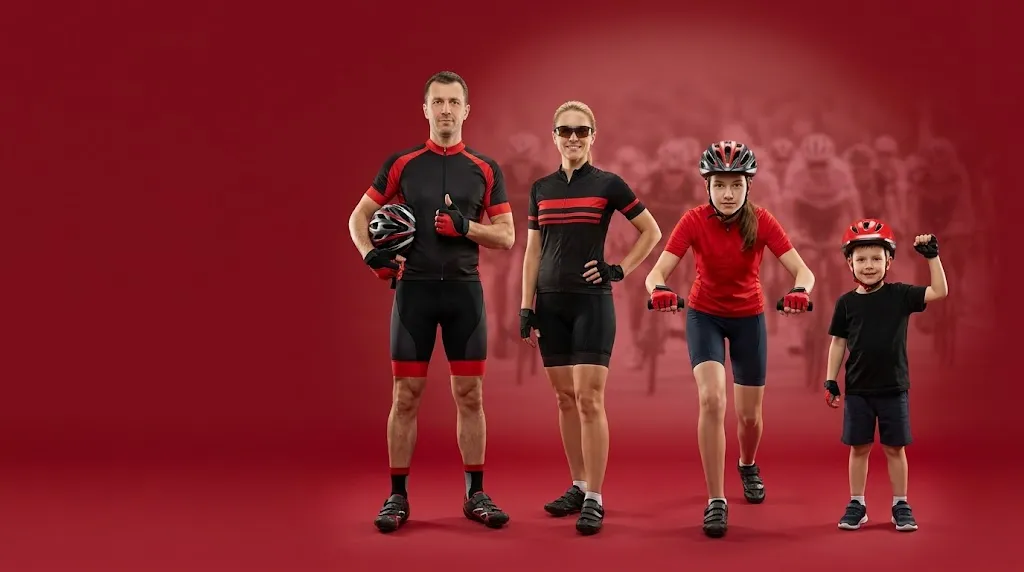
While alpine ski and mountaineering brands consume large volumes of glove liners, non-sporting commercial sectors represent substantial consistent demand. Cold-storage logistics hubs, pharmaceutical cleanrooms, and food packing facilities require workers to wear thin insulating liners beneath disposable nitrile gloves to prevent hand stiffness during prolonged warehouse shifts. Tactical defense units and security agencies deploy form-fitting thermal liners beneath combat gloves to retain critical weapon manipulation feel in freezing weather. In addition, long-distance marathon runners and cyclocross racers adopt lightweight liners as independent spring and autumn racing handwear. Developing unified base layer product collections allows B2B distributors to address multiple commercial vertical markets with unified inventory lines.
- Sub-zero cold storage warehouse and meat processing logistics utility
- Precision tactical military operations requiring critical firearm trigger sensitivity
- High-output endurance athletics including marathon running and trail cycling
- Sanitary medical cleanrooms requiring thermal insulation beneath disposable gloves
- Streamlined single-SKU inventory serving diverse commercial B2B customer bases
Manufacturing Lead Times and Packaging Solutions
Efficient bulk procurement requires synchronized manufacturing timelines and optimized freight consolidation. High-speed computerized flatbed knitting machinery enables our factory to produce large order runs with rapid turnaround, completing standard wholesale batches within twenty-five to thirty-five business days. Initial prototype development and yarn lab dips require five to seven working days. Furthermore, because lightweight glove liners exhibit high physical compressibility, packaging them in vacuum-sealed master polybags reduces shipping cubic volume by over forty per cent. This space compression yields substantial freight cost savings across international air courier and ocean container consignments, protecting retailer operating margins.
Quality Assurance Testing and Dimensional Grading Standards
Consistent dimensional fit is paramount for base layers designed to wear beneath fitted outerwear shells. Our factory conducts strict tensile recovery evaluations on every yarn lot, guaranteeing that elasticity remains uniform across Small, Medium, Large, and Extra Large size gradings. In-line electronic sensor arrays detect dropped stitches or thread tension irregularities instantly during knitting, eliminating hole defects at fingertip crowns. Pre-shipment quality audits follow rigorous AQL 2.5 standards, verifying touchscreen conductivity readings on digital testing panels alongside seam tensile burst strength. Ensuring strict adherence to technical specifications protects our brand partners against negative retail consumer reviews and costly product returns.
Questions people ask
What yarn provides the best thermal efficiency for glove liners?
Merino wool offers unbeatable natural bio-climatic thermoregulation and odour control, whereas hollow-core polyester delivers the quickest moisture wicking and fastest drying time. Combining technical synthetic yarns with five per cent elastane produces the optimal blend of thermal insulation and compression fit.
Can workers wear these liners under disposable industrial gloves?
Yes, our ultra-thin 13-gauge and 15-gauge liners are specifically designed to slip comfortably beneath disposable nitrile, latex, or vinyl gloves. They provide vital thermal warmth for workers in refrigerated warehouses and pharmaceutical processing plants without degrading manual dexterity.
Will conductive touchscreen fingertips withstand frequent industrial washing?
Our conductive fingertip threads are made from stainless steel and silver-plated nylon alloys that resist oxidation and mechanical wear. They remain fully responsive on capacitive touchscreens through repeated commercial and domestic laundering cycles when washed in cool water.
What is your factory minimum order quantity for bulk liners?
Our standard minimum order quantity starts at 500 pairs per colourway and style. This allows sportswear brands and safety equipment suppliers to test seasonal demand while enjoying competitive volume manufacturing pricing across complete multi-size production distributions.
Can you produce custom silicone palm patterns for our brand?
Yes, we produce custom silicone grip prints including company logos, hex micro-dots, and linear traction ribs. We formulate silicone inks that cure securely to knit fabrics without peeling or stiffening glove elasticity during prolonged outdoor athletic use.
How do you package wholesale liners to reduce shipping costs?
We offer vacuum-compressed bulk polybags that reduce outer shipping carton volume by approximately forty per cent. This freight optimization substantially lowers landed international air and ocean transport costs for high-volume wholesale purchase orders across global distribution networks.
Are custom retail packaging cards available for OEM orders?
We produce fully branded retail hangcards, die-cut sleeve bands, and barcoded display pouches made from recycled FSC paperboard. We supply custom packaging samples for approval prior to initiating full commercial carton packing for your seasonal retail collection.
What are your standard production and delivery lead times?
Bulk manufacturing typically requires twenty-five to thirty-five business days following sample approval. Air express freight delivers within five to seven days, while ocean container shipping takes twenty to thirty-five days depending on your destination port and logistics routing.