Grip failure is one of the most common problems athletes face during intense workouts. Whether it’s deadlifts, pull-ups, or kettlebell swings, a slipping bar can reduce performance and increase injury risk. Anti-slip gym gloves in 2026 are designed with advanced grip technologies that help athletes maintain control even during sweaty, high-intensity sessions. This guide explains why grip technology matters and how to choose the right gloves for better performance and safety.
1. Why Anti-Slip Technology Matters
Slipping during a heavy lift is not just frustrating — it can also be dangerous. A barbell or dumbbell that slips unexpectedly can cause injury, reduce workout effectiveness, and break training focus. Modern gym gloves are designed to prevent this by creating a secure friction layer between the hand and the equipment.
In 2026, grip technology has improved significantly. High-quality gloves now maintain strong grip even when hands become sweaty. This allows athletes to focus on performance, form, and muscle engagement instead of worrying about losing control during a set.
2. Types of Grip Technologies in Gym Gloves
Different grip technologies are used depending on the glove design and target users. Each type offers unique advantages.
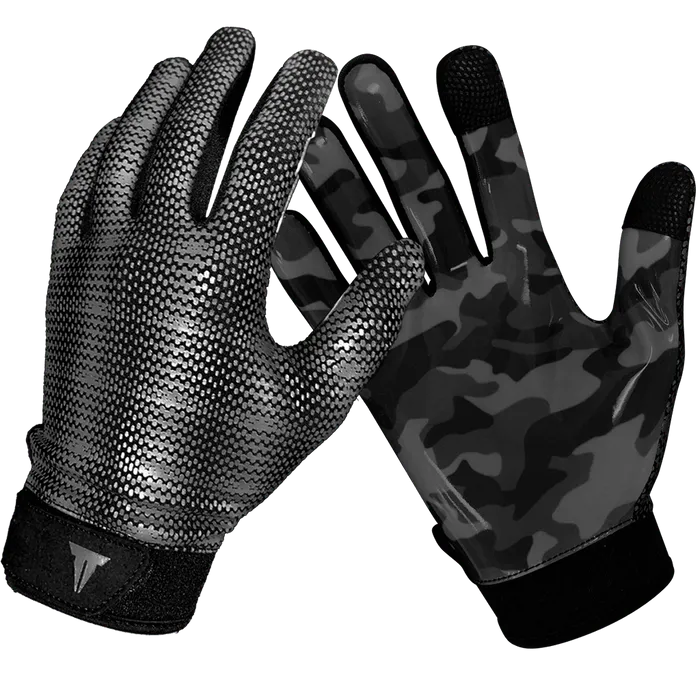
- Silicone Grip Patterns: Small silicone dots or patterns provide excellent friction and remain effective even when wet.
- Rubberized Palm Coatings: A continuous layer of grip material ensures consistent contact with gym equipment.
- Textured Synthetic Leather: Durable material with embossed patterns that enhance grip without reducing flexibility.
- Hybrid Grip Designs: Some premium gloves combine silicone dots with textured leather for maximum control.
3. Best Materials for Anti-Slip Performance
The effectiveness of grip gloves depends heavily on the materials used. High-quality anti-slip materials improve durability and long-term performance.
- Silicone: The most reliable anti-slip material for sweaty workouts.
- Rubberized Polyurethane: Flexible, durable, and suitable for heavy lifting.
- Natural Leather: Develops a stronger grip texture over time.
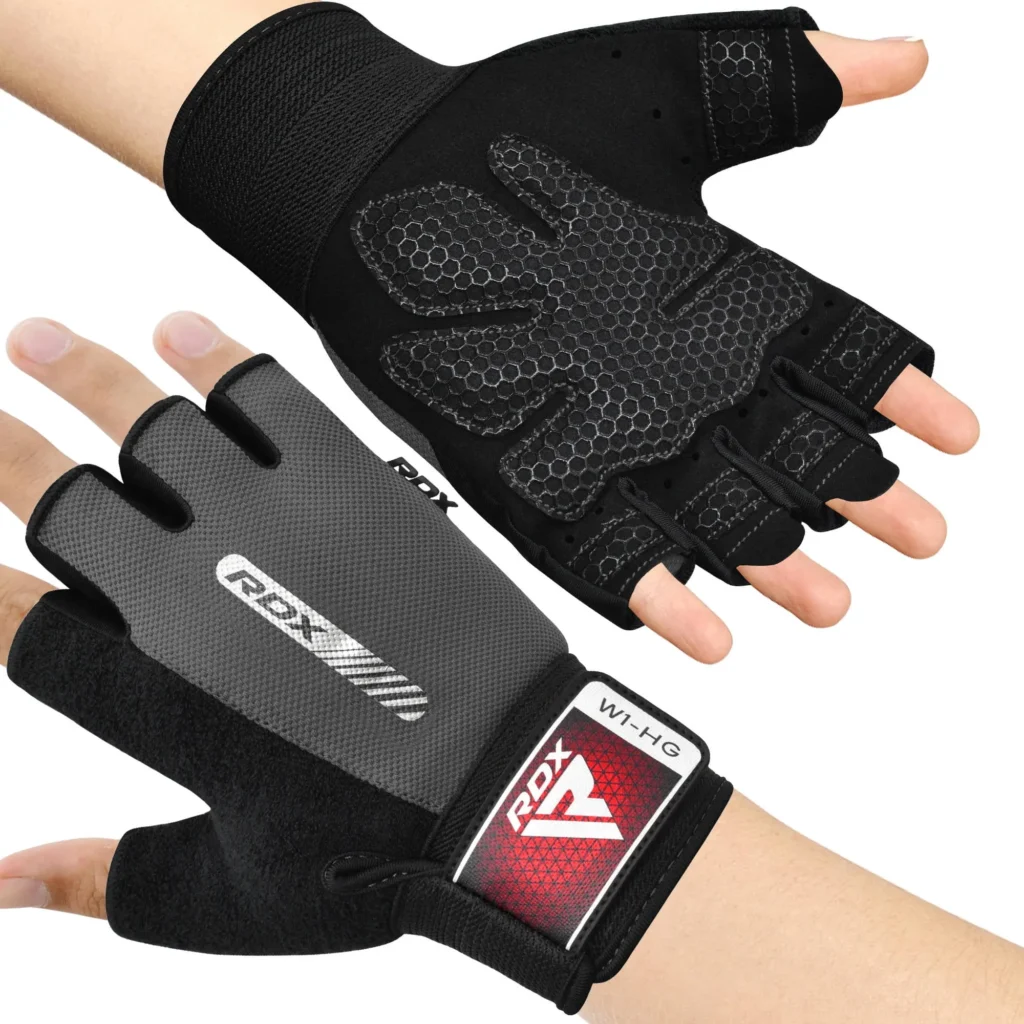
- Neoprene Support Panels: Often used for wrist areas to improve comfort and stability.
Newer models in 2026 also focus on eco-friendly grip materials that offer strong performance while being more sustainable.
4. Top Exercises That Benefit Most
Some exercises benefit more from anti-slip gloves than others. These movements require strong and consistent grip strength throughout the workout.
- Deadlifts: Heavy weights and sweat make grip stability essential.
- Pull-Ups and Bar Work: Maintaining grip during high reps becomes much easier.
- Kettlebell Swings: Anti-slip palms help control the movement safely.
- Rope Climbs: Grip-focused gloves improve safety and confidence.
- Barbell Rows: Stable grip helps maintain proper form.
5. How to Test Grip Quality Before Buying
Before purchasing gym gloves, it is important to evaluate the grip quality. A few simple tests can help determine whether the gloves will perform well during workouts.
- Press the palm against a smooth metal surface and try sliding it
- Lightly dampen the palm to simulate sweat and repeat the test
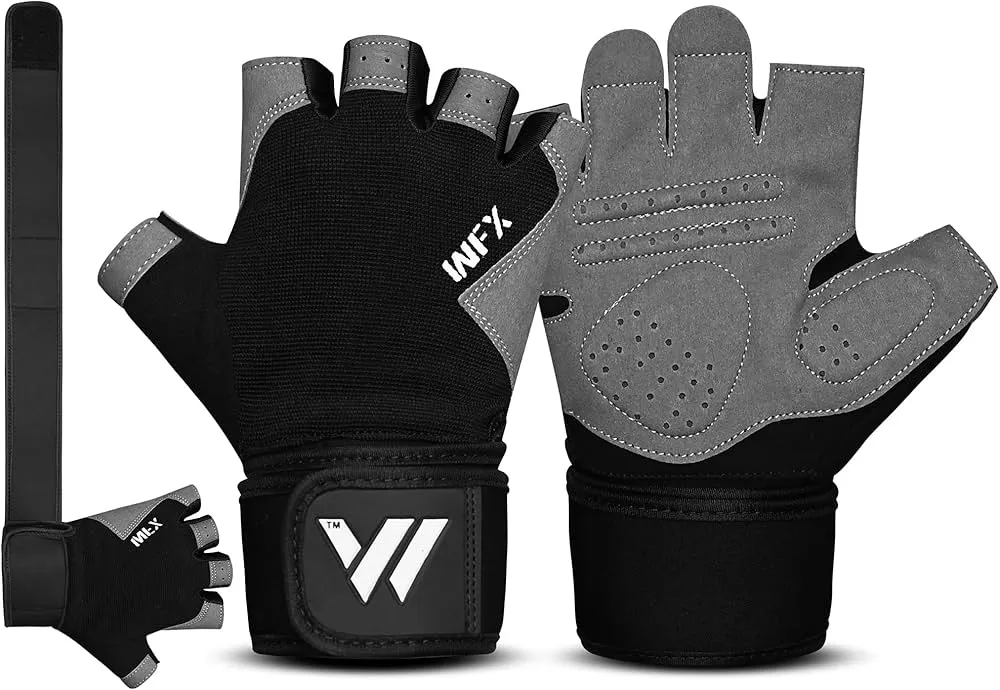
- Check the quality of silicone patterns or grip texture
- Make sure the grip material is evenly distributed
For wholesale buyers, ordering samples and testing them during real workouts is the most reliable way to assess performance.
6. Wholesale Sourcing of Anti-Slip Gloves
Anti-slip gloves are one of the fastest-growing categories in the fitness accessories market. Retailers and gym owners are increasingly choosing gloves with strong grip performance because customers value safety and durability.
- Choose gloves with heat-bonded silicone grip patterns
- Request durability testing from manufacturers
- Look for custom grip pattern options
- Test multiple samples before placing large orders
Custom anti-slip designs also allow brands to add logos directly into the grip pattern, creating a product that is both functional and visually unique.
7. Frequently Asked Questions (FAQs)
Do anti-slip gloves work when hands are sweaty?
Yes, high-quality grip gloves are designed to maintain friction even when the hands are wet.
What is the best anti-slip material for gym gloves?
Silicone is widely considered the most effective anti-slip material due to its durability and consistent grip performance.
Do anti-slip gloves replace gym chalk?
For most workouts, anti-slip gloves are a clean and practical alternative to chalk. However, some heavy lifters may still prefer chalk for maximum grip.
How long does the grip coating last?
Quality grip coatings can last for months with regular use, especially when gloves are cleaned properly.
Can anti-slip gloves be customized?
Yes, manufacturers often offer custom grip patterns, colors, and branding options for bulk orders.
8. Related Articles & Internal Links
- Padded Gym Gloves: Are They Worth It in 2026?
- Fingerless vs Full Finger Gym Gloves
- Gym Gloves with Wrist Support Guide
- Custom Gym Gloves Manufacturer Guide
For custom manufacturing, wholesale pricing, or bulk inquiries, contact us at
info@migloves.com.