CE Certified | EN388 | ISO 9001
Sialkot, Pakistan - Shipping to 30+ Countries

Cold Resistance Gloves
Multi layered insulation prevents rapid heat loss in sub zero environments. We construct our handwear to maintain flexibility and barrier protection when handling frozen metal or working inside commercial cold storage facilities.
Every production run undergoes strict testing to meet EN511 and EN388 safety standards. This ensures your teams receive verified contact cold resistance and mechanical durability that holds up shift after shift.
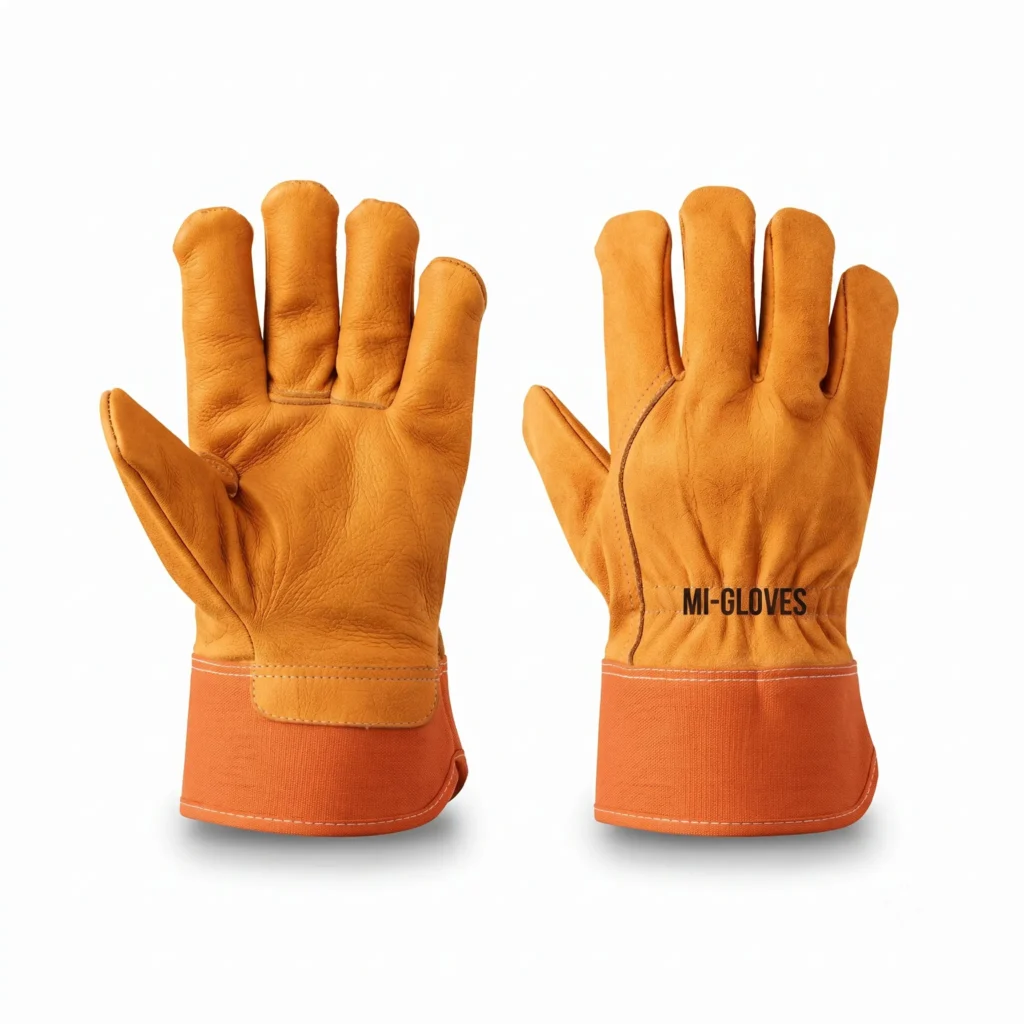
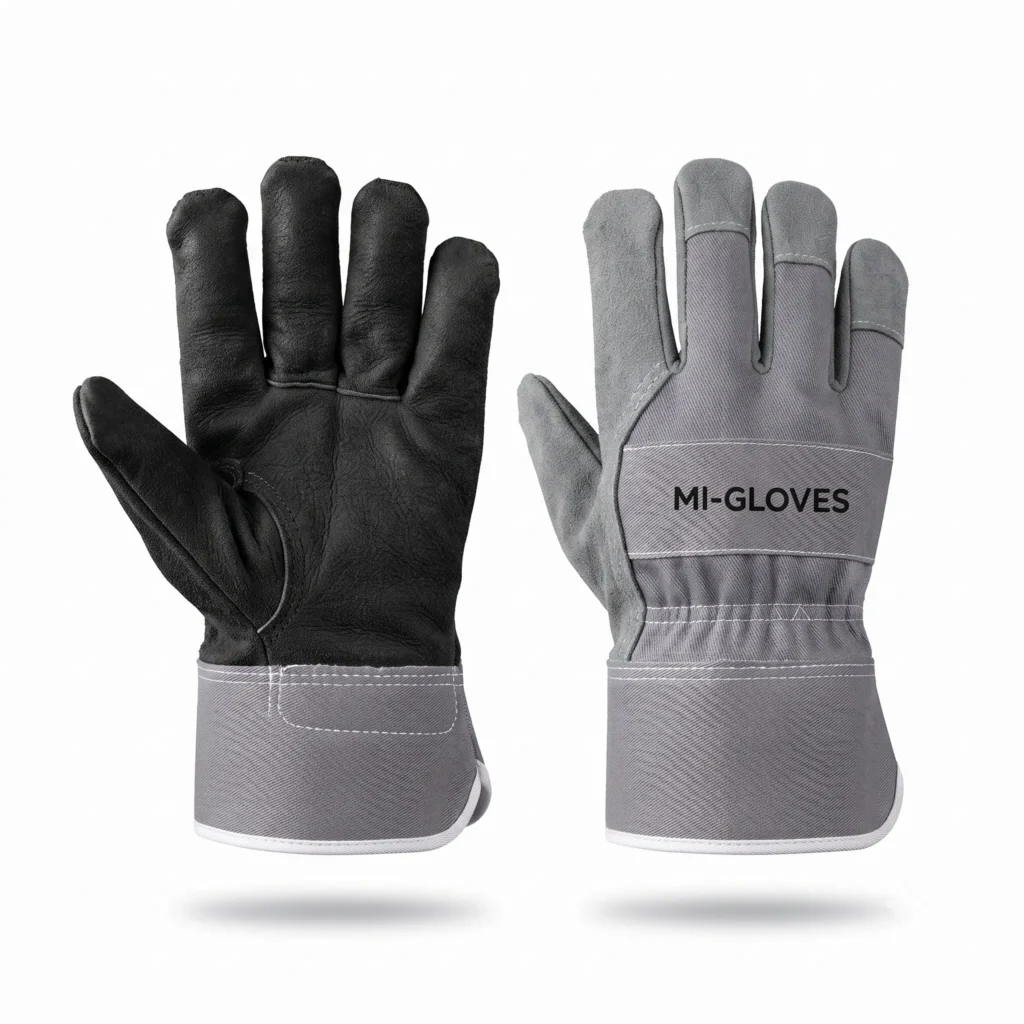
Cold chain procurement managers face immediate operational disruptions and rising replacement costs when insulated handwear stiffens or cracks in sub-zero temperatures. Sourcing your inventory from an experienced cold resistance gloves manufacturer ensures that your field operators remain protected down to minus twenty degrees Celsius without losing manual dexterity. When standard thermal barriers fail during prolonged freezer shifts, material degradation leads to safety violations and expensive project delays. Our Sialkot facility prevents these failures by utilizing advanced dual-layer hollow-fiber linings that trap dead air while maintaining flexibility under extreme thermal stress. This engineering approach eliminates the stiffening common in cheap imports, protecting your bottom line from constant replacement cycles.
Industrial supply chains frequently stall because of inconsistent batch sizing and sudden compliance gaps during safety audits. We resolve these distribution bottlenecks by providing fully certified, pre-tested shipments with traceable batch records that match your exact procurement specifications every time. Our technical team conducts rigorous low-temperature testing on every production run to verify that both the outer shell and the thermal barrier retain their physical properties under stress. This systematic quality control means your safety managers can deploy our handwear immediately, confident that each pair complies with international safety standards.
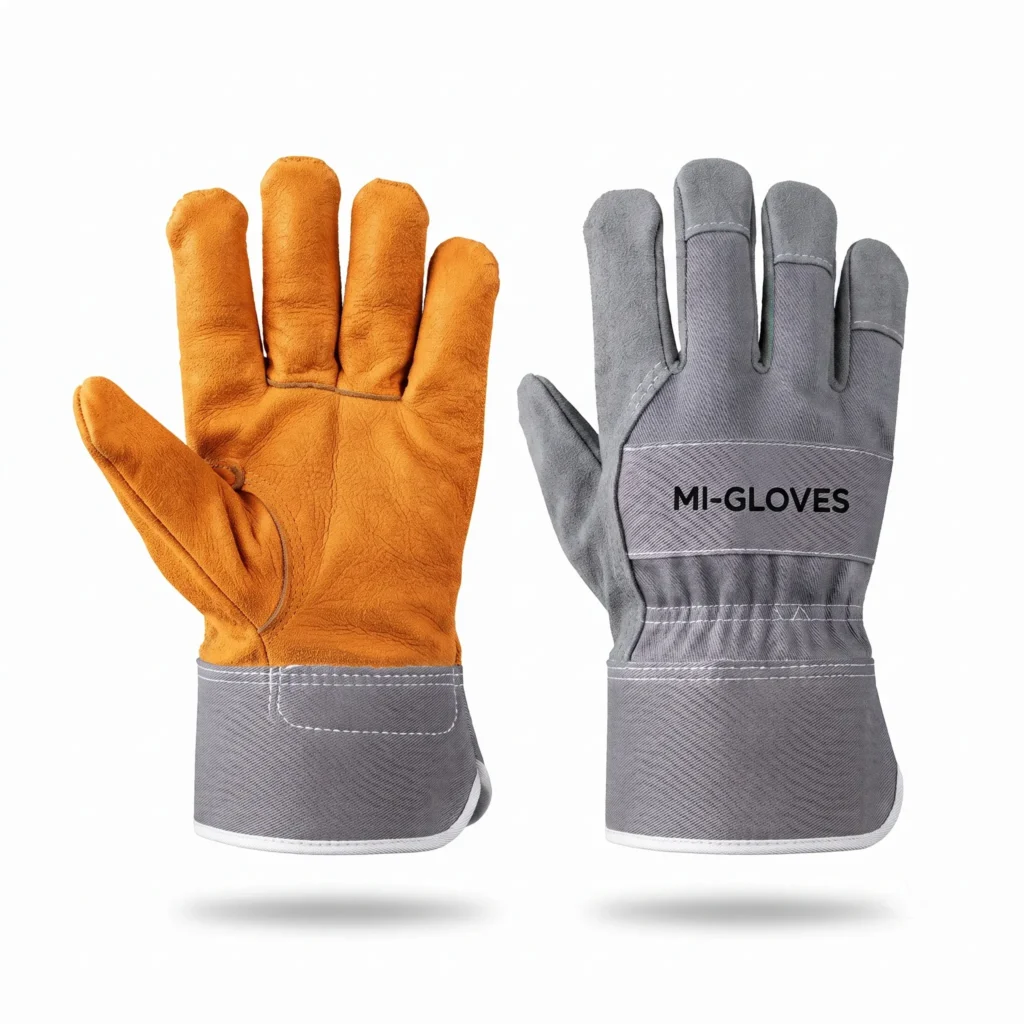
Our Sialkot factory engineers thermal work gloves using a dual-layer composite matrix of hollow-core polyester and brushed acrylic loops to trap air and prevent conductive heat loss. This specific blend maintains a dry, insulating boundary layer even when external moisture threatens to compromise the material. By combining these advanced synthetic fibres, we create a thermal barrier that outperforms standard cotton or wool linings under heavy mechanical stress.
Brushed acrylic terry loops of 7-gauge density provide the primary loft required to trap dead air, which is the most effective natural insulator against sub-zero temperatures. We combine this high-loft acrylic interior with a 15-gauge high-density polyethylene exterior shell to ensure the glove resists abrasion while maintaining its thermal integrity. When a worker grips cold steel, the hollow-core polyester fibres in the mid-layer resist flattening under pressure, preventing the cold from transferring directly to the hand. This structural resilience ensures that the insulation values do not drop during active physical labour, which is a common failure point in cheaper, single-material imports.
Moisture accumulation inside insulated safety gloves destroys their thermal efficiency because water conducts heat twenty-five times faster than air. Our engineering team addresses this by using hydrophobic polypropylene fibres in the inner lining to actively push sweat away from the skin toward the outer shell. This wicking action prevents the inner glove from dampening during high-exertion tasks, ensuring the wearer remains warm during periods of inactivity. If moisture is allowed to pool within the knit, the glove loses up to eighty percent of its calculated thermal resistance, leading to rapid finger numbness and reduced grip control in freezer environments.
Choosing a 10-gauge medium-weight knit offers the optimal balance between cold protection and manual dexterity for operators handling small fasteners or tools in cold storage warehouses. While an ultra-thick 7-gauge knit provides maximum thermal retention down to minus thirty degrees Celsius, it limits finger mobility and causes muscle fatigue during repetitive gripping tasks. For applications requiring precise tactile feedback, we recommend a composite 13-gauge outer shell paired with a brushed thermal lining. This configuration minimizes bulk at the fingertips while still meeting European EN511 standards for convective and contact cold.
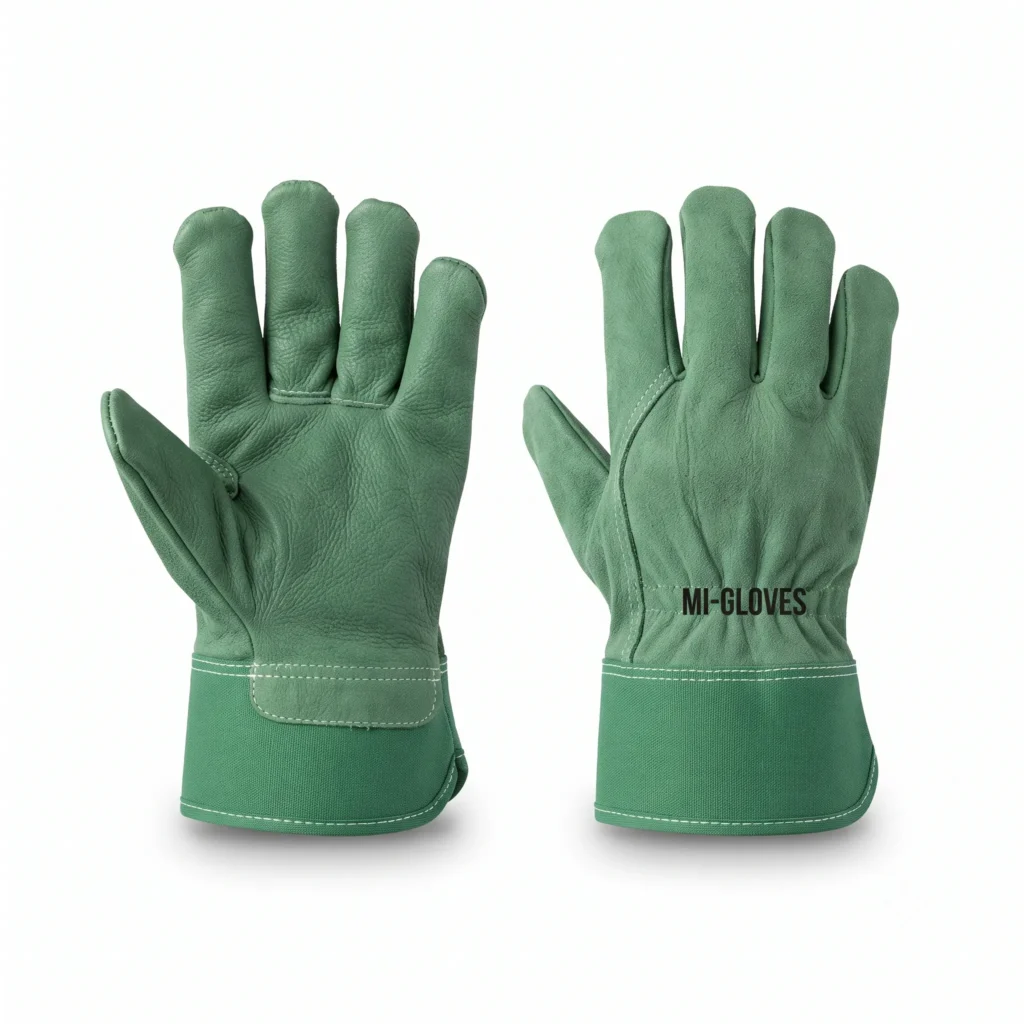
Selecting the correct external polymer coating for insulated safety gloves determines whether a worker maintains secure grip or suffers hand fatigue during extended shifts in sub zero temperatures. PVC, latex, and nitrile each react differently to sub zero environments, affecting both flexibility and liquid permeability. Sourcing managers must match these materials to specific workplace fluids to prevent premature glove failure.
PVC coatings remain highly flexible at minus twenty degrees Celsius, making them the industry standard for handling frozen petrochemicals and wet materials in cold storage yards. While standard polymers stiffen and crack under extreme thermal load, our Sialkot factory utilizes specialized plasticizers to ensure the outer barrier remains pliable and crack resistant. For dry or light oil environments, sandy nitrile coatings provide exceptional abrasive durability and channel fluids away from the contact surface to maintain grip tension. However, in pure water or ice handling applications, crinkle latex offers the highest coefficient of friction, though it should be avoided in environments where oils or organic solvents are present.
Knit wrists prevent cold air from entering the glove body, making them ideal for indoor warehouse operations where workers transition frequently between ambient and freezing zones. For outdoor municipal work or wet offshore environments, an extended safety cuff allows the glove to slide quickly over heavy jacket sleeves while providing run-off protection for liquids. Our engineering team produces these configurations in gauges ranging from 7-gauge heavy terry acrylic loops for maximum dead-air insulation to 15-gauge high-dexterity liners with brushed nylon interiors. Correct sizing ranges from size 7 to 12 to ensure proper circulation, as tight gloves restrict blood flow and accelerate cold injuries.
| Coating Polymer | Temperature Limit | Grip Surface Type | Primary Application |
|---|---|---|---|
| Low-Temp PVC | -30C | Smooth or Sandy | Wet chemical transfer and cold chain logistics |
| Crinkle Latex | -15C | Textured Crinkle | Ice handling and dry outdoor construction |
| Sandy Nitrile | -20C | Micro-porous | Oily mechanical assembly in cold environments |
| Polyurethane | -5C | Smooth | Fine precision sorting and cold room inspection |
Choosing the wrong coating thickness or material composition directly impacts worker safety and product lifecycle costs, as stiff gloves lead to workers removing their protective handwear entirely. Our Sialkot production facility optimizes the dip depth of each polymer to balance liquid protection with the natural flex of the hand. By selecting the correct pairing of polymer and liner gauge, procurement teams can reduce replacement rates by up to thirty percent in demanding cold chain environments.
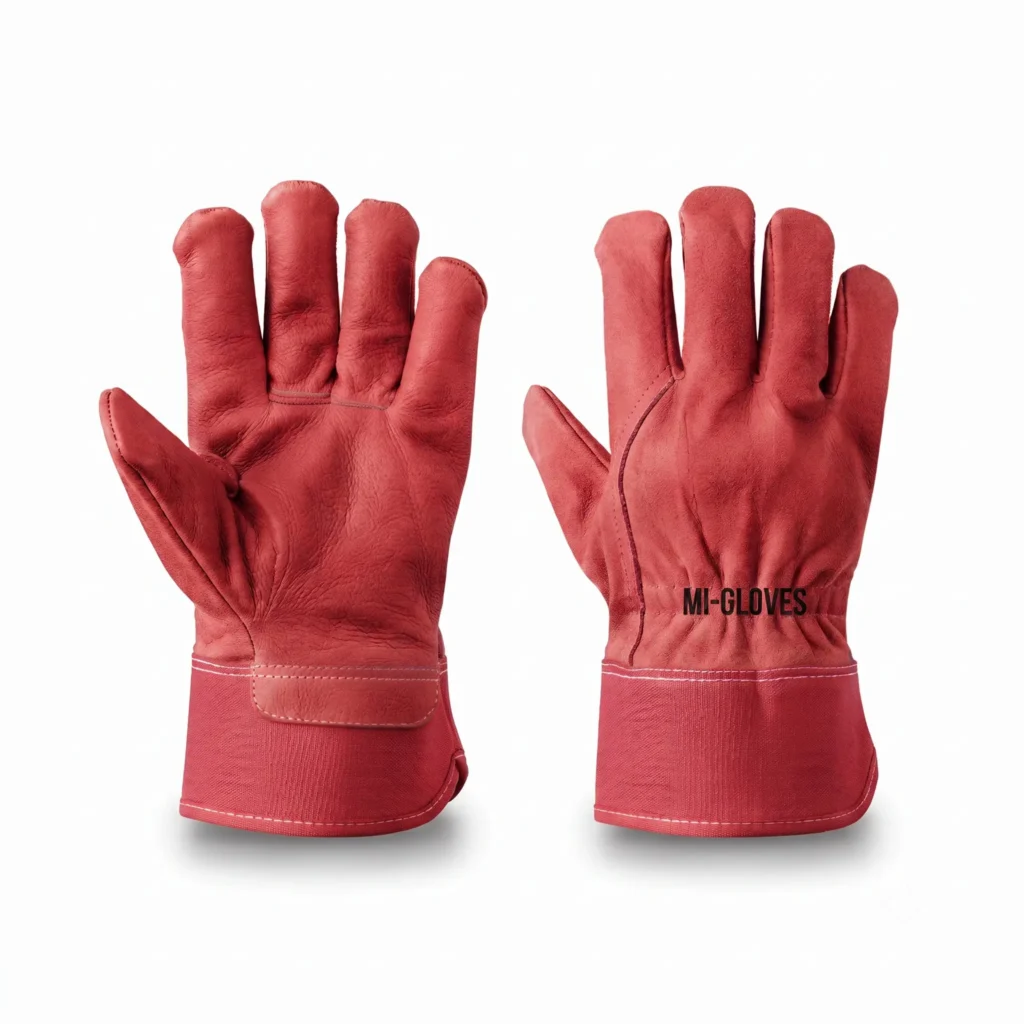
Sourcing substandard thermal handwear exposes businesses to severe financial losses from worker downtime, high replacement rates, and increased insurance claims. When budget-tier gloves fail in sub-zero environments, the immediate result is a drop in worker dexterity, leading to slower cycle times and frequent warming breaks. What looked like a saving on the initial unit price becomes an operational drain that inflates your total cost of ownership.
High-volume distribution centres often lose thousands of dollars weekly when cheap winter gloves fail to withstand daily handling abrasive cardboard and cold metal racking. A typical five-dollar glove that must be discarded after three shifts because of torn seams or flattened insulation costs far more over a quarter than a ten-dollar glove engineered to last four weeks. Our Sialkot factory addresses this imbalance by using high-density brushed linings and reinforced thumb crotches to extend field life.
Compliance failures represent another hidden expense when purchasing from a low-tier cold resistance gloves manufacturer that cannot provide verified EN511 test certificates. If a safety audit reveals your team is using unrated or poorly insulated safety gloves in freezer zones, you face immediate work stoppages and potential regulatory fines. Conducting a thorough technical specification review with our engineering team ensures every bulk order aligns perfectly with your local thermal safety mandates.
Specification Review
Share the hazard, the task and the volume you need. We will confirm the right construction, the rating it should carry, and the pricing band that applies at your quantity.
Product Gallery
Upload all product photos at once. The first images fill the sections above one by one, and every image appears here.
Why Source From MiGloves
Every batch is tested to EN388 and ANSI cut scales, with documentation shipped alongside your order.
Screen-print, embossed cuffs, custom hangtags and retail-ready packaging from unit one.
Manufacturer-direct rates from Sialkot with transparent MOQ tiers and no middle layer.
Locked GSM, gauge and colour specs so reorder number ten matches sample number one.
Shipping to 30+ countries with export documentation handled end to end.
Approve a physical prototype before any bulk run, so you get the exact glove you signed off.
Manufacturing Benchmarks
Technical FAQ
The full EN388 scale from Level B to Level F, by adjusting the HPPE, steel and glass-fibre ratio in the liner. The target rating is verified per batch.
Yes. Sandy-nitrile and micro-foam coatings are engineered for oil-slick grip in metalworking and automotive lines.
Custom colour and branded runs start at buyer-friendly MOQ tiers confirmed on your quote, always after sampling.
Yes. Logos can be screen-printed on the back of the hand, woven into the cuff, or applied as a heat transfer, and packaging can be built around your own artwork.
Timing depends on the volume, the coating and the sizing spread. A confirmed schedule is issued with your quote, and the clock starts once you approve the physical sample.
Orders leave Sialkot for more than thirty countries by sea or air, with the export paperwork prepared here so customs clearance is not slowed down.
Launch Your Custom Run
Send us your cut level, coating and branding specs. Our team reviews the requirement, builds a physical sample, and sends a factory-direct quote straight to your inbox.