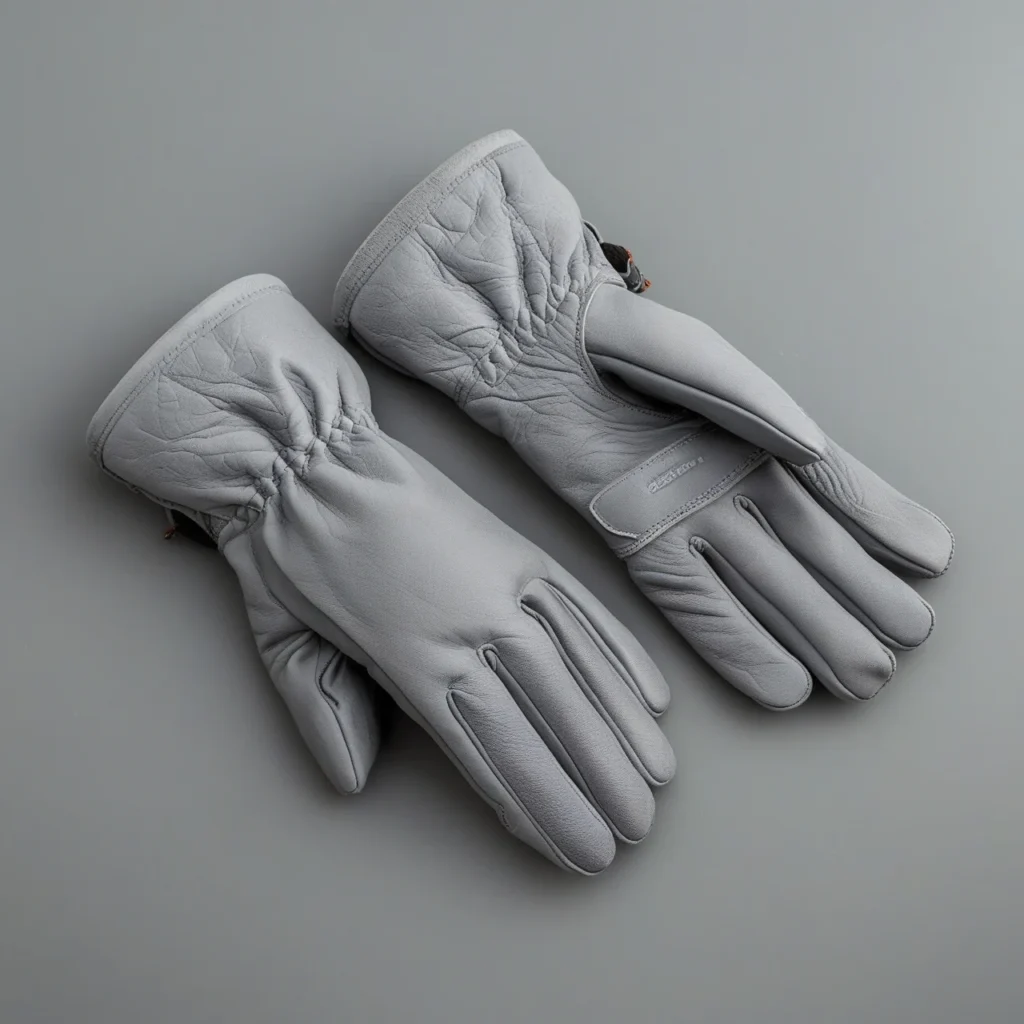
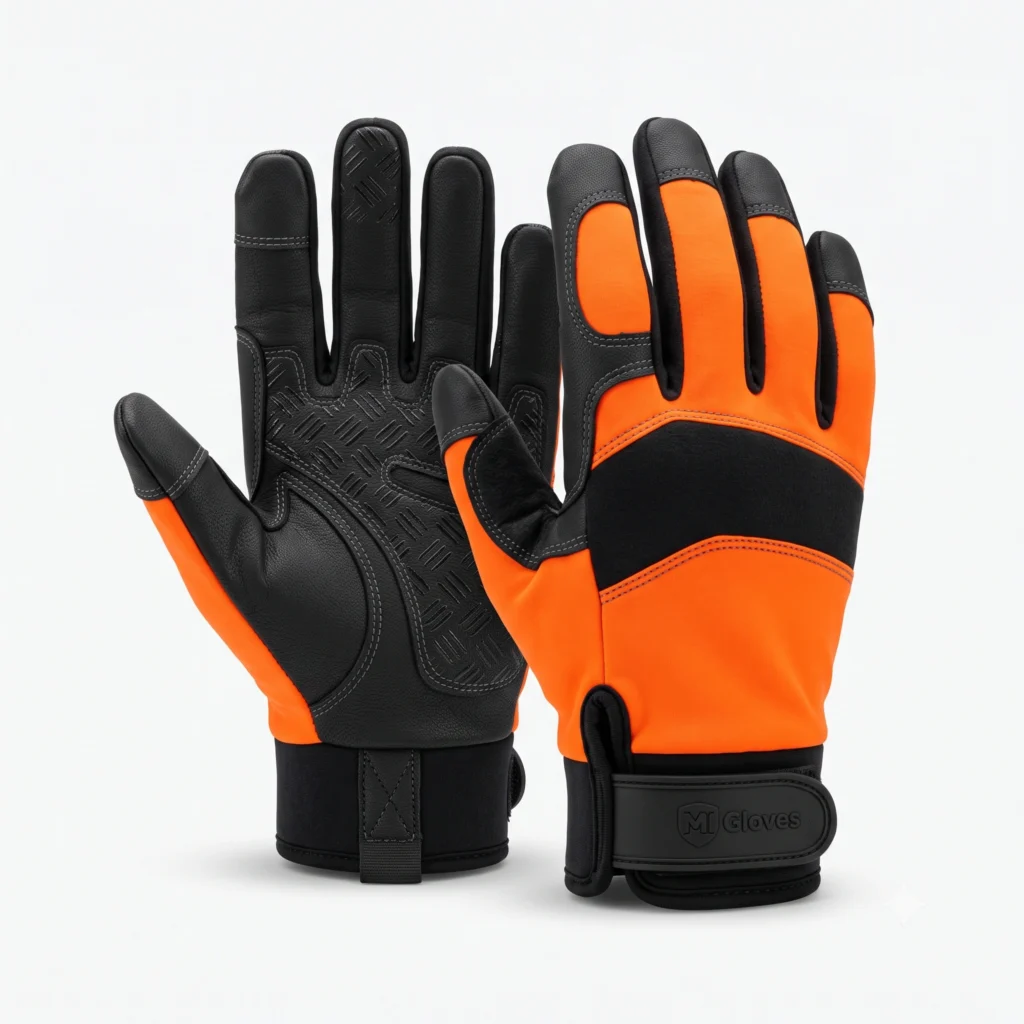
A procurement manager in a heavy manufacturing plant recently showed us a bin full of discarded polyurethane coated gloves. They had been purchased to save money on the assembly line, but within three hours of handling sharp sheet metal, the palms had shredded. The cheap purchase ended up costing three times more in daily replacements than a proper nitril foam glove would have.
Choosing the wrong safety gloves does more than blow your budget through high replacement rates. It leads to hand fatigue, dropped parts, and ultimately, OSHA recordable injuries that could have been prevented. For safety managers and bulk distributors, the goal is to find the exact intersection of protection, durability, and cost.
Understand the Mechanics of EN 388 and ANSI Standards
Do not rely on generic marketing descriptions like heavy duty or high protection. When evaluating industrial safety gloves, look at the technical standards stamped on the back of the hand. The two main standards you need to know are the European EN 388 and the American ANSI/ISEA 105.
The EN 388 standard uses a four digit code and a letter to rate mechanical risks. These numbers represent:
- Abrasion Resistance (1 to 4): How many cycles it takes to wear through the material.
- Blade Cut Resistance (1 to 5): The traditional coup test rating. This is less reliable for high cut materials.
- Tear Resistance (1 to 4): The force required to tear the glove material.
- Puncture Resistance (1 to 4): The force required to pierce the glove with a standard sized point.
- ISO Cut Resistance (A to F): The modern, accurate cut test measured in Newtons. An “F” rating is the highest protection level.
For high cut hazards like glass handling or metal stamping, ignore the old 1 to 5 coup test and focus solely on the ISO Cut Level (A to F) or the ANSI Cut Level (A1 to A9). A level A4 or EN ISO “D” is generally the baseline requirement for handling sharp steel coils or stamped parts.
Match the Coating to Your Working Environment
The liner of the glove provides the cut protection, but the coating determines how well a worker can grip a greasy tool or resist chemical seepage. Specifying the wrong coating is a common mistake that leads to slip hazards and hand fatigue.
Polyurethane (PU) Coatings
PU is thin, flexible, and offers excellent tactile sensitivity. It is the go to choice for electronics assembly, light small parts handling, and clean room environments. However, PU has poor heat resistance and performs terribly in heavy oil. It absorbs liquids easily, which can transfer chemicals directly to the skin.
Nitrile and Nitrile Foam Coatings
Nitrile is a synthetic rubber with high resistance to punctures and oil. For general work gloves used in automotive assembly or oily machining environments, nitril foam is the industry standard. The foam acts like a sponge to channel oil away from the glove surface, ensuring a secure grip on wet parts.
Latex Coatings
Latex offers incredible elasticity and a high grip on dry surfaces like wood, brick, and glass. Crinkle latex is highly favored in construction and waste management. Keep in mind that latex degrades quickly when exposed to hydrocarbons and organic solvents, and latex allergies remain a concern for large workforces.
The Direct Comparison: Grip and Protection Levels
This table breaks down how the most common industrial coatings perform across key operational metrics.
| Coating Type | Dry Grip | Wet/Oily Grip | Puncture Resistance | Breathability | Best Application |
|---|---|---|---|---|---|
| Polyurethane (PU) | Excellent | Poor | Low | Medium | Fine assembly, electronics |
| Flat Nitrile | Good | Good | High | Low | Petrochemical, wet plumbing |
| Nitrile Foam | Good | Excellent | Medium | High | Machining, logistics, automotive |
| Crinkle Latex | Excellent | Fair | Medium | Low | Construction, glass handling |
Addressing Specialized Hazards: Impact and Heat
Standard PPE gloves will not protect a worker whose hand gets pinched between a heavy pipe and a concrete wall. For heavy industries like oil and gas, mining, and rigging, you must look for dedicated impact protection.
Impact resistant gloves feature Thermoplastic Rubber (TPR) patches sewn or bonded to the back of the hand and fingers. Look for gloves certified under the ANSI/ISEA 138 standard. This standard rates impact protection from Level 1 (lowest protection) to Level 3 (highest protection) based on how much force is transferred through the glove to the hand. A Level 2 or 3 TPR glove is essential for high risk rigging and heavy demolition work.
For thermal hazards, the rules change entirely. Standard synthetic fibers like nylon and polyester melt when exposed to high heat, causing severe burns. For welding, casting, or hot injection molding, workers need leather or specialized aramid fibers like Kevlar that can withstand contact temperatures up to 350 degrees Celsius without degrading.
Sizing and Ergonomics: The Hidden Safety Factor
Safety managers often buy large quantities of size Large and Extra Large gloves to simplify purchasing. This is a mistake. A glove that is too big reduces dexterity, causing workers to remove their gloves to perform fine tasks. A glove that is too tight causes hand strain and tears easily at the seams.
When sourcing industrial safety gloves for a large workforce, ensure your supplier can provide a full size run from size 7 (Small) to size 11 (XXL). High quality gloves utilize ergonomic hand molds during the dipping process to mimic the natural resting position of the hand. This reduces the energy needed to clench the fist, keeping workers comfortable and compliant through a full eight hour shift.

The Practical Sourcing Strategy
Buying the cheapest glove on the market is rarely the most cost effective choice. Look at the total cost of ownership. A premium glove that costs twice as much but lasts four times longer reduces waste, lowers administrative ordering costs, and keeps your team safer.
At MiGloves, we manufacture high performance work gloves designed to meet strict EN and ANSI standards for distributors and industrial brands worldwide. Contact us today to discuss your specific safety requirements, request technical datasheets, or order custom samples for your next workplace trial.