Anti-Slip Gym Gloves: Grip Technology and Palm Friction Engineering
In strength and conditioning sports, maintaining an uncompromising grip on the bar is fundamental to lifting performance and safety. When training with heavy barbells, cast-iron kettlebells, or smooth pull-up bars, sweat accumulation on the hands dramatically lowers the coefficient of friction. A slipping barbell compromises lifting posture, reduces neuromuscular recruitment, and can lead to sudden drops. In commercial fitness accessories, anti-slip gym gloves represent one of the highest-demand product categories. As an established OEM fitness glove manufacturer in Sialkot, Pakistan, Mi-Gloves engineers commercial-grade anti-slip handwear utilizing advanced silicone polymer printing and high-traction palm textiles.
Friction Mechanics: Why Grip Technology Is Crucial in Weightlifting
Lifting biomechanics rely on shear force resistance between the palm skin (or glove surface) and the metal apparatus. Standard bare hands secrete sweat containing moisture and natural oils that act as a liquid lubricant, dramatically reducing static friction. While traditional gym chalk absorbs sweat, many commercial fitness centers prohibit its use due to dust cleanup and air filter maintenance. Anti-slip workout gloves solve this challenge by creating a specialized high-friction mechanical interface that channels moisture away while engaging directly with steel barbell knurling, rubberized dumbbell handles, and powder-coated pull-up rigs.
Comparison of Commercial Grip Technologies in Fitness Handwear
Different lifting modalities require distinct friction profiles and tactile feedback. The following comparison highlights key engineering specifications across primary grip technologies:
| Grip Technology | Base Material | Coefficient of Friction | Sweat / Moisture Performance | Durability & Wear Life | Optimal Lifting Application |
|---|---|---|---|---|---|
| Heat-Bonded Silicone Matrix | Clarino / Amara Synthetic Suede | Very High (Superior tacky grip) | High (Micro-channels divert moisture) | High (Resists peeling and friction tear) | Kettlebell workouts, pull-up rigs, functional HIIT |
| Textured Polyurethane Coating | Engineered Microfiber Suede | Moderate to High | Moderate (Can slip if saturated) | Very High (High tensile abrasion resistance) | Olympic bar training, general dumbbell lifting |
| Micro-Embossed Synthetic Leather | High-Density Amara Leather | Moderate (Natural textured feel) | High (Maintains grip when damp) | Exceptional (Resists knurling abrasion) | Heavy barbell deadlifts, powerlifting movements |
| Natural Full-Grain Leather | Cowhide or Goatskin | Moderate (Increases as broken in) | Moderate (Absorbs oils over time) | Very High (Structural durability) | Traditional strength training, commercial gym use |
Engineering Anti-Slip Palms: Silicone Geometries and Formulations
Not all silicone grip patterns perform equally. At our manufacturing facility, we engineer specialized liquid silicone rubber (LSR) patterns directly vulcanized onto high-tenacity microfiber backings:
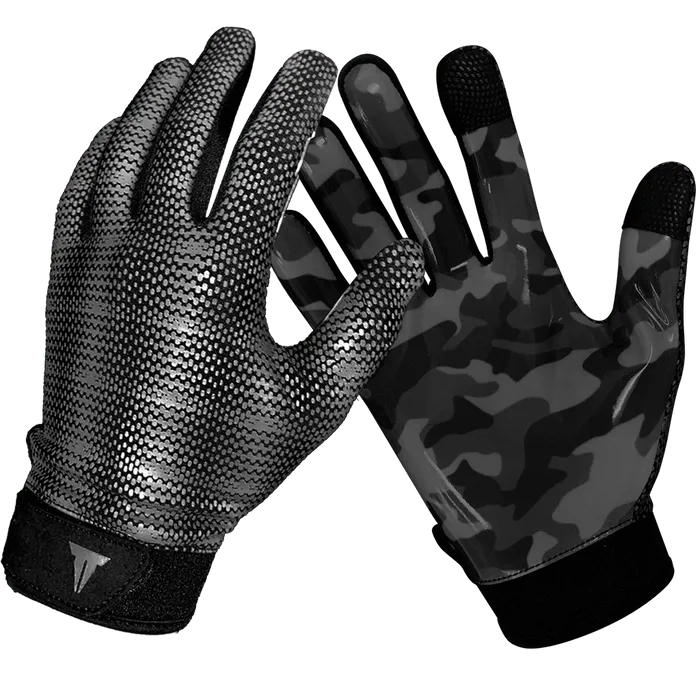
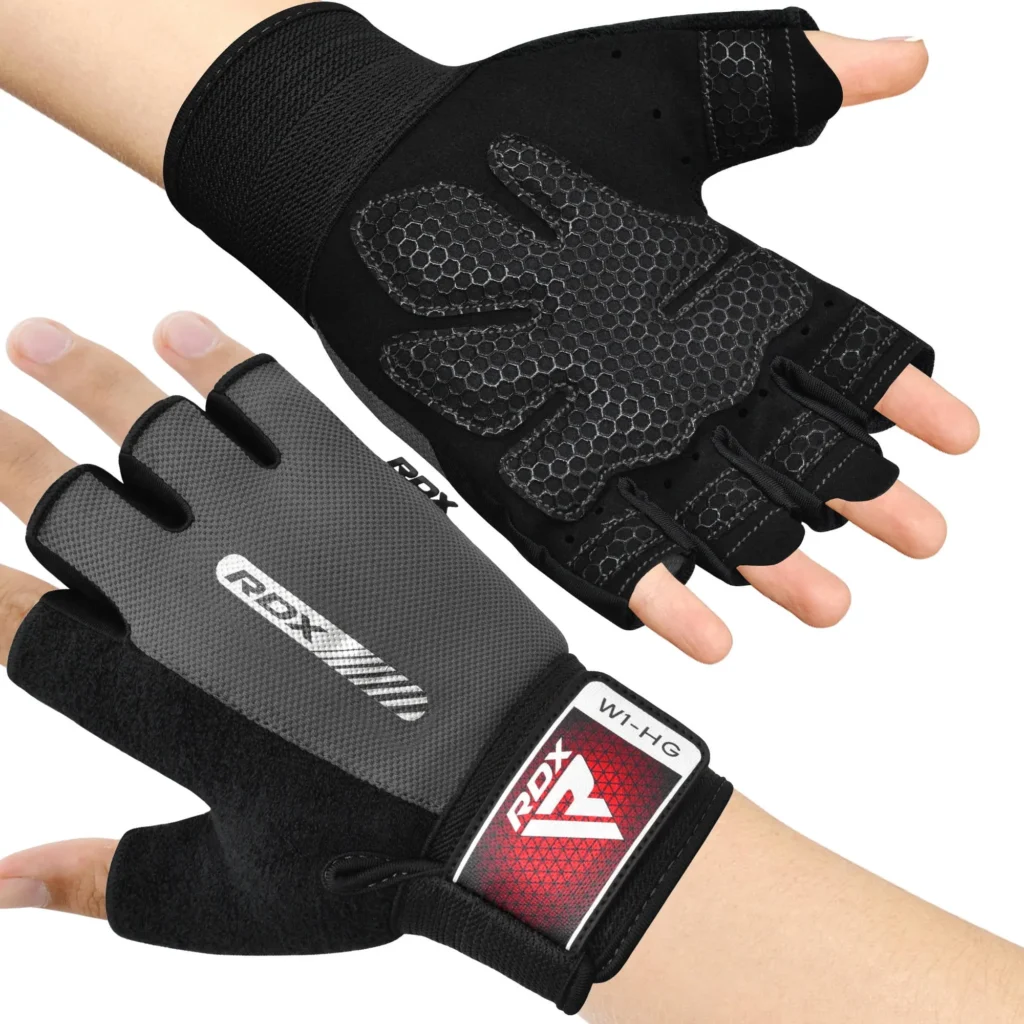
- Honeycomb Hexagonal Geometries: Hexagonal cellular patterns distribute contact pressure evenly across the palm while providing omnidirectional traction against multidirectional twisting forces during kettlebell snatches.
- Micro-Channel Spacing: Precise 1.5 mm drainage gaps between silicone ridges allow palmar perspiration to channel outwards, maintaining direct rubber-to-metal contact even during extended, high-intensity workouts.
- Variable Thickness Profiling: Thicker silicone beads applied to the distal palmar ridges and thumb crotch provide concentrated friction, while thinner patterns across finger segments ensure uninhibited flexion.
- Custom Silicone Branding: For private-label clients, we can engineer your brand logo directly into the functional anti-slip tread pattern, combining visual brand identity with technical grip function.
Palm Flexibility and Durability Considerations
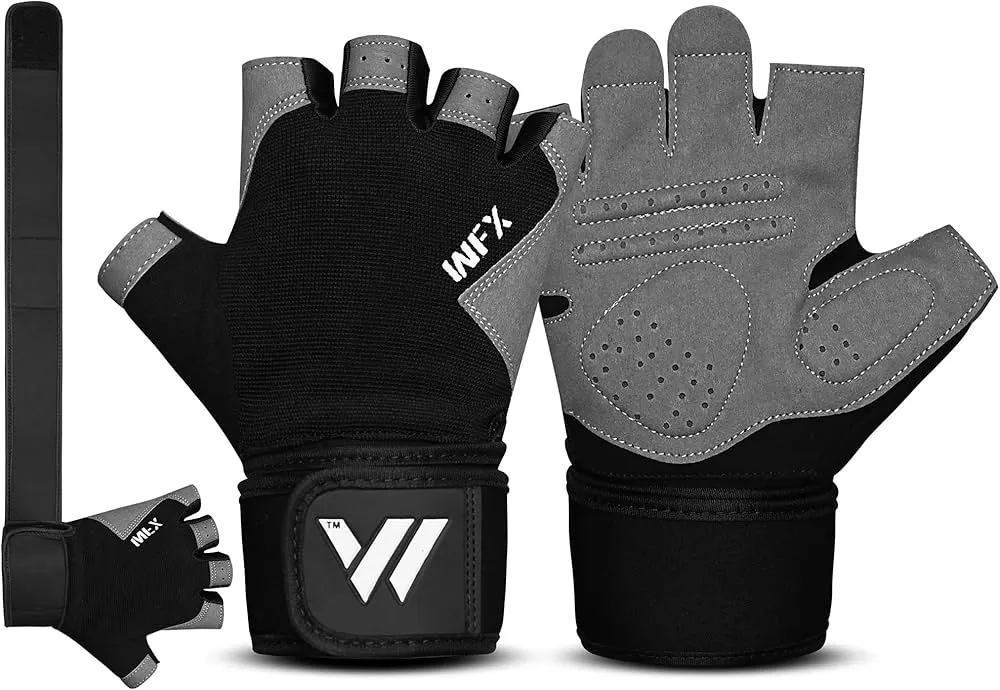
While maximizing friction is critical, an effective anti-slip glove must not feel stiff or cardboard-like. Excessive rubber or overly rigid coatings restrict natural palmar cupping and cause hand cramping during high-repetition sets. We utilize thin, high-tensile synthetic suedes ($0.6text{ mm}$ to $0.8text{ mm}$) that mold to the athlete’s hand, reinforced with Kevlar-blended stitching across the metacarpal stress zones to prevent delamination or seam blowout under maximum loads.
B2B Manufacturing and Private Label OEM Production
Mi-Gloves manufactures custom anti-slip fitness handwear for athletic brands, equipment distributors, and fitness retailers worldwide. From initial silicone mold creation to multi-size carton packing, our Sialkot factory delivers certified, export-grade quality.
Explore our complete custom fitness glove manufacturing solutions, partner with an established B2B sports glove manufacturer, and review our technical guide on padded gym gloves engineering and sourcing.
Frequently Asked Questions (FAQs)
Do anti-slip gym gloves prevent slipping in all workout conditions?
While anti-slip gloves substantially enhance friction and reduce slipping on knurled and smooth gym equipment, performance depends on maintaining clean grip surfaces and selecting appropriate lifting technique. No glove can guarantee absolute slip prevention under extreme moisture or oily bar conditions.
Will the silicone grip peel off after repeated gym workouts?
Our manufacturing utilizes high-pressure thermal vulcanization that bonds the liquid silicone deep into the synthetic suede fibers. When cared for according to instructions, the silicone pattern remains permanently bonded throughout the glove’s lifespan.
Are anti-slip gloves permitted in competitive powerlifting?
Most official powerlifting federations (such as the IPF) prohibit gloves during competitive lifts. However, powerlifters extensively utilize anti-slip gloves during off-season hypertrophy, high-volume accessory sets, and pull-up conditioning to preserve their skin.
Can you manufacture custom silicone grip designs featuring our company logo?
Yes. We can design and cast custom silicone tooling incorporating your brand typography, logo icon, or geometric patterns directly into the functional palm tread.
How do silicone-printed gloves perform compared to bare leather?
Silicone provides immediate, high-tack friction right out of the box, especially on smooth surfaces like pull-up bars and kettlebell handles. Traditional leather requires a break-in period and provides a smoother, sliding rotation preferred by some barbell purists.
What is the recommended cleaning process to maintain silicone friction?
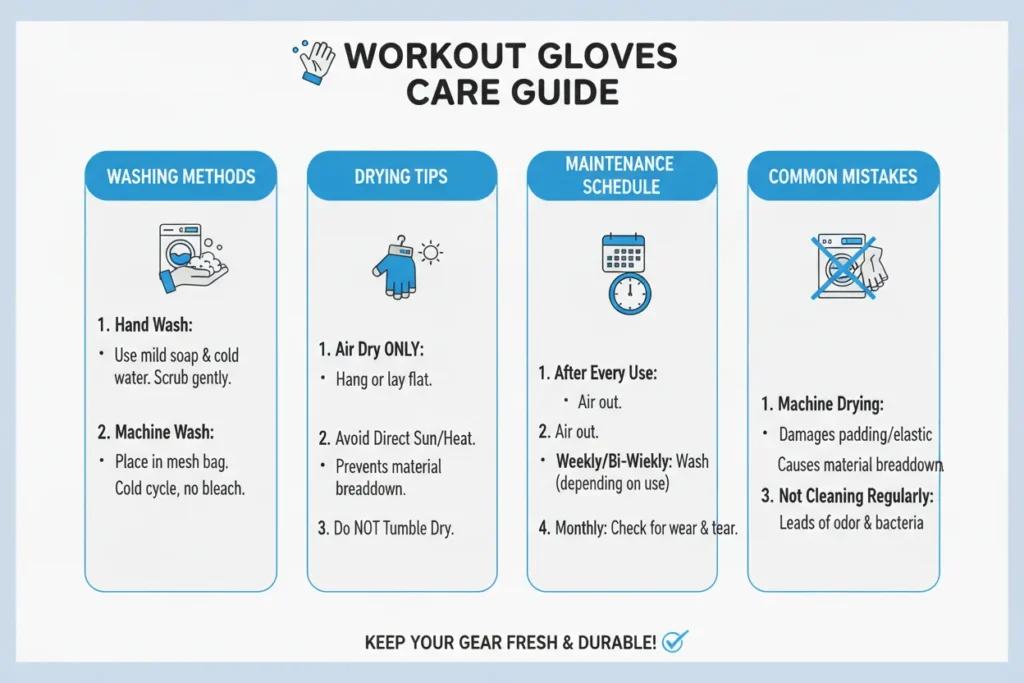
Hand washing with mild liquid soap removes the skin oils and chalk dust that can reduce silicone tackiness. Avoid fabric softeners or petroleum-based cleaners, which degrade silicone friction properties.