The Procurement Dilemma: Raw Hide vs Polymer Chemistry
Industrial distributors and safety managers do not have the luxury of buying protective equipment based on gut feeling. When you are purchasing ten thousand pairs of work gloves for a manufacturing facility or a construction project, the choice between traditional leather and modern synthetic fibers impacts both your budget and worker safety. Selecting the wrong material leads to rapid wear, high replacement costs, and worst of all, hand injuries.
For decades, heavy industry relied entirely on animal hides. Today, engineered textiles challenge that dominance. Both materials have clear strengths, but they are not interchangeable. To make the right investment, you must understand where each material excels on the shop floor.
The Staying Power of Leather Safety Gloves
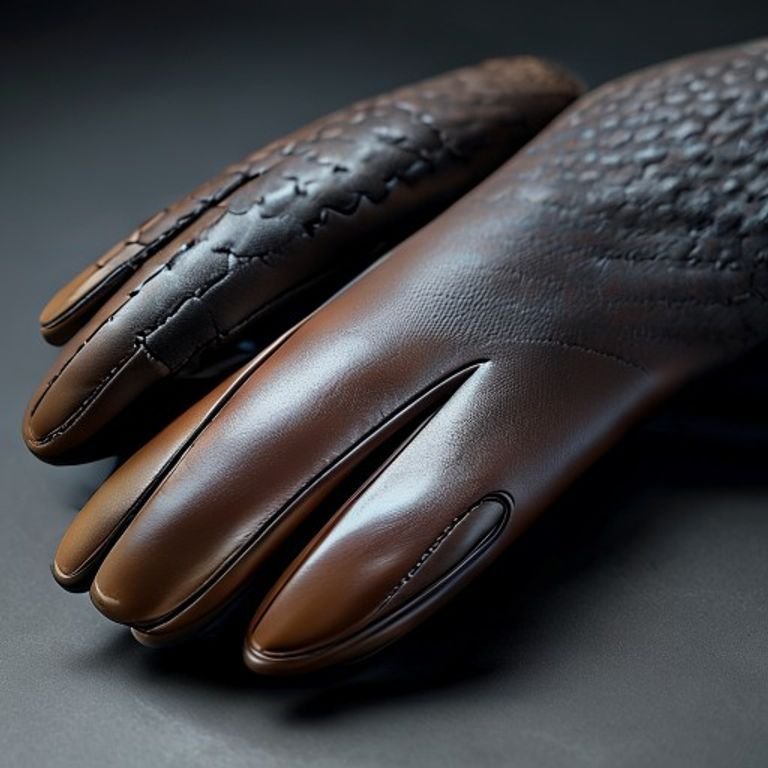
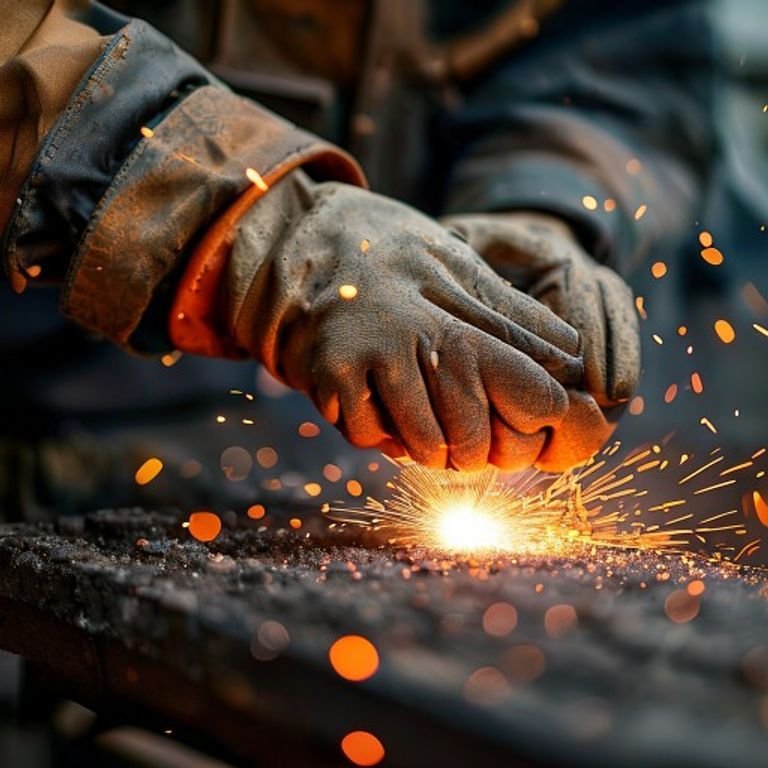
Natural leather remains the benchmark for heavy duty abrasion resistance, extreme heat protection, and sheer physical durability. It does not melt when exposed to sparks, making it the only viable choice for welding, casting, and heavy foundry work. The fibrous structure of cowhide, goat skin, and pigskin provides a natural barrier against puncture and friction that synthetic coatings struggle to match at the same price point.
Different hides offer distinct performance profiles:
- Cowhide: The industry workhorse. Highly durable, naturally abrasion resistant, and ideal for medium to heavy duty rigging, construction, and welding.
- Goatskin: Exceptionally high tensile strength with surprising flexibility. This is the preferred choice for TIG welding and precision tasks where dexterity is critical.
- Pigskin: Unique because of its breathability. It does not stiffen or crack after getting wet, making it perfect for damp, outdoor construction environments.
However, leather has its limits. It absorbs oils and liquids easily, which can degrade the fibers and ruin the grip. Once saturated, leather safety gloves take a long time to dry, often stiffening in the process and losing their ergonomic shape.
The Rise of Synthetic Work Gloves
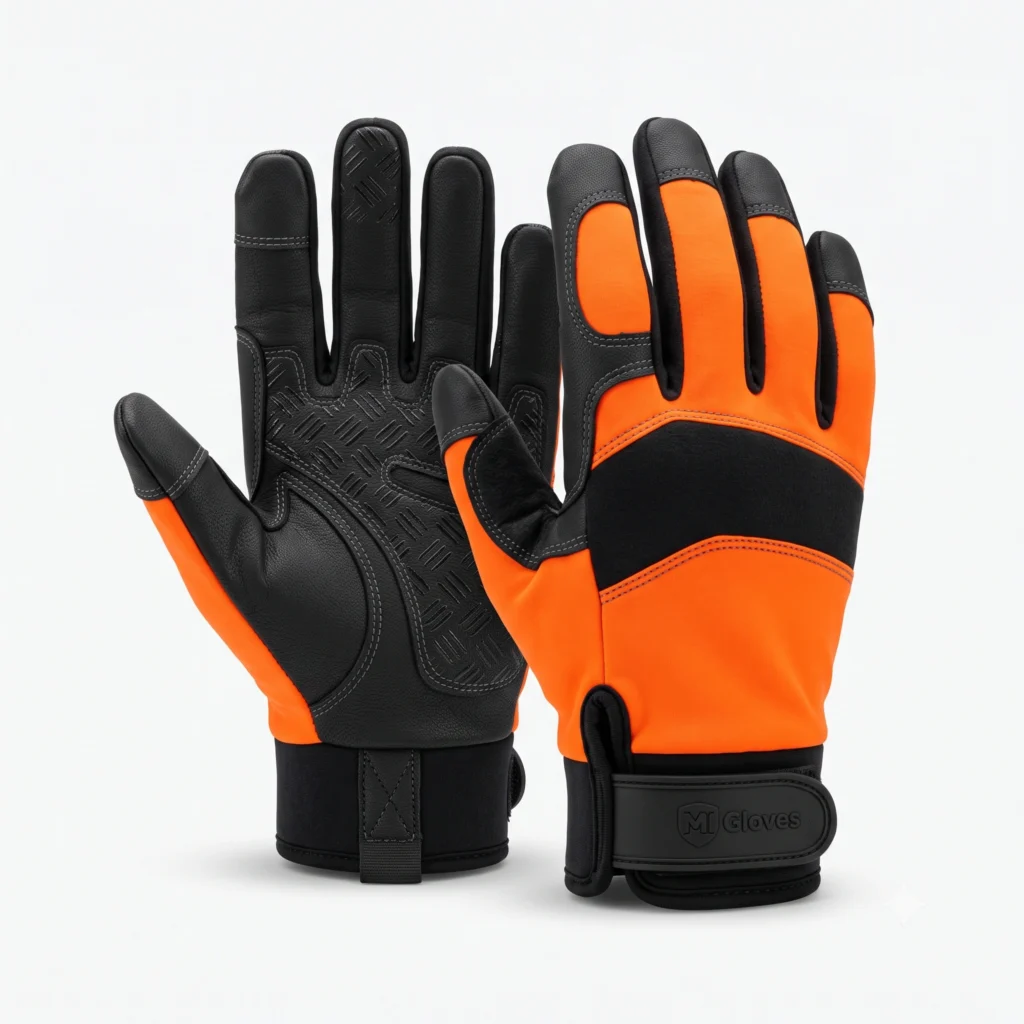
Where natural hide fails, chemistry steps in. Modern synthetic work gloves utilize engineered yarns like HPPE, Kevlar, and nylon, combined with specialized palm coatings like polyurethane, nitrile, or latex. These materials are designed to solve specific industrial problems that organic leather cannot address.
Synthetics dominate in environments requiring high cut protection and liquid resistance. A thin, 18-gauge HPPE glove coated with nitrile can protect a worker from sharp sheet metal while allowing them to pick up a tiny screw. You simply cannot get that level of tactile sensitivity from a leather glove.
Furthermore, synthetic protective gloves are highly consistent. Because they are machine knit, every single glove in a container load of ten thousand pairs will perform exactly like the last. Leather, being a natural product, always carries slight variations in thickness, texture, and grain.
Direct Comparison: Material Performance
To help guide your next container order, this table compares the performance of high quality leather against premium synthetic industrial gloves across key operational metrics.
| Performance Metric | Leather Safety Gloves | Synthetic Work Gloves |
|---|---|---|
| High Heat and Spark Resistance | Excellent (Does not melt) | Poor (Most coatings melt easily) |
| High Cut Resistance (ANSI A4+) | Moderate (Requires thick liners) | Excellent (Achieved via engineered fibers) |
| Dexterity and Tactility | Moderate to Poor | Excellent to Superior |
| Liquid and Oil Barrier | Poor (Absorbent unless treated) | Excellent (With solid nitrile/latex coatings) |
| Dimensional Consistency | Variable (Natural hide differences) | Highly Consistent (Machine knit) |
| Lifespan in Dry, Gritty Environments | Very High | Moderate (Coatings wear down) |
Making the Buying Decision for Your Facility
The choice between these two categories comes down to the primary hazards your workers face on a daily basis. Buying a premium glove for the wrong application is a waste of money.
When to Specify Leather
Choose leather if your workforce deals with high heat, sparks, hot metal slag, or heavy abrasive materials like stone, timber, and rough steel pipes. Construction crews, ironworkers, welders, and heavy equipment operators will always prefer a heavy duty leather glove. The material molds to the hand over time, offering a level of comfort and rugged safety equipment performance that synthetics cannot mimic in dry, abrasive conditions.
When to Specify Synthetics
Choose synthetics if your primary risks are sharp edges, oily parts, or chemical exposure. Automotive assembly, glass handling, precision electronics, and chemical processing plants require the exact chemical barriers and high cut resistance that coated synthetic gloves provide. They are also highly wash friendly, meaning you can launder them multiple times to extend their service life, reducing your overall cost per use.
The Sialkot Advantage in Glove Manufacturing
At MiGloves, we manufacture both high grade leather safety gloves and advanced synthetic work gloves in our Sialkot facility. Sialkot is globally recognized for its generations of expertise in leather tanning and precision stitching. By combining this traditional craftsmanship with modern polymer dipping lines, we produce industrial gloves that meet strict international safety standards. Whether you need bulk cowhide drivers for a distribution network or custom dipped nitrile gloves for an assembly plant, we can supply the right product for your market.
If you are looking to source high quality gloves directly from a reliable Pakistani manufacturer, contact our sales team today to discuss bulk pricing, OEM specifications, or to request product samples for your technical evaluations.
Frequently Asked Questions
Which glove material is better for wet and oily conditions, leather or synthetic?
Synthetic work gloves coated with nitrile or polyurethane are far superior for wet and oily conditions. Nitrile coatings act as an impermeable liquid barrier and channel oil away from the surface to maintain a secure grip, whereas natural leather absorbs liquids, loses its grip, and becomes stiff and degraded after drying.
Do leather safety gloves provide cut resistance?
Can synthetic work gloves be washed and reused?
Yes, most synthetic work gloves can be laundered and reused multiple times without losing their shape or protective properties. This washability significantly lowers the total cost of ownership for safety managers, unlike leather gloves which shrink, stiffen, and degrade when washed in standard industrial laundry cycles.
Why is leather still preferred for welding and foundry work?
Leather is the industry standard for welding because it is naturally flame resistant and does not melt when exposed to sparks, hot slag, or high radiant heat. Synthetic fibers and their polymer coatings melt quickly under direct heat, which can cause severe burn injuries by fusing the melted plastic to the worker’s skin.