CE Certified | EN388 | ISO 9001
Sialkot, Pakistan - Shipping to 30+ Countries

Premium Safety Manufacturing
Our mechanical gloves utilize targeted micro-porous nitrile formulations to maximize dry and wet grip on oily automotive assembly lines.
Every batch is constructed using high-tenacity synthetic yarns to withstand repeated friction against stamped steel panels and rough castings.
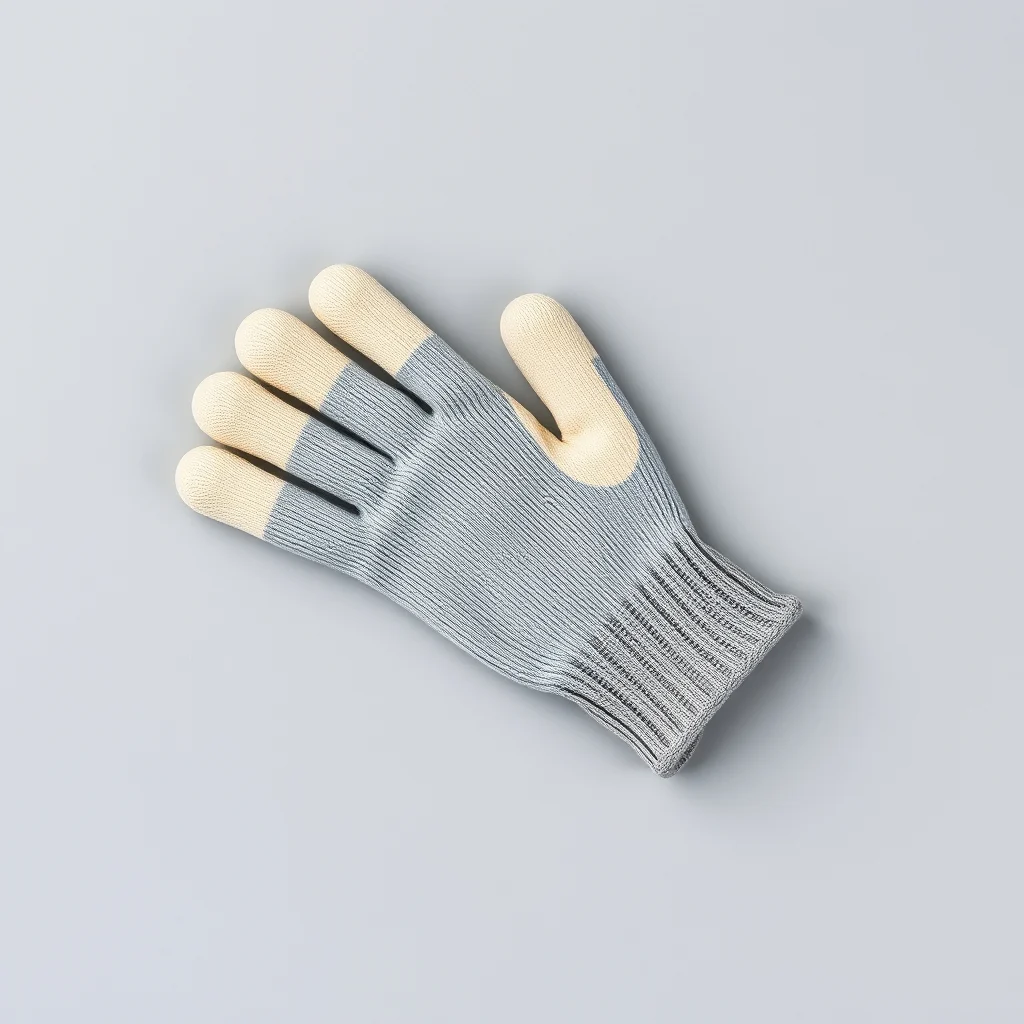
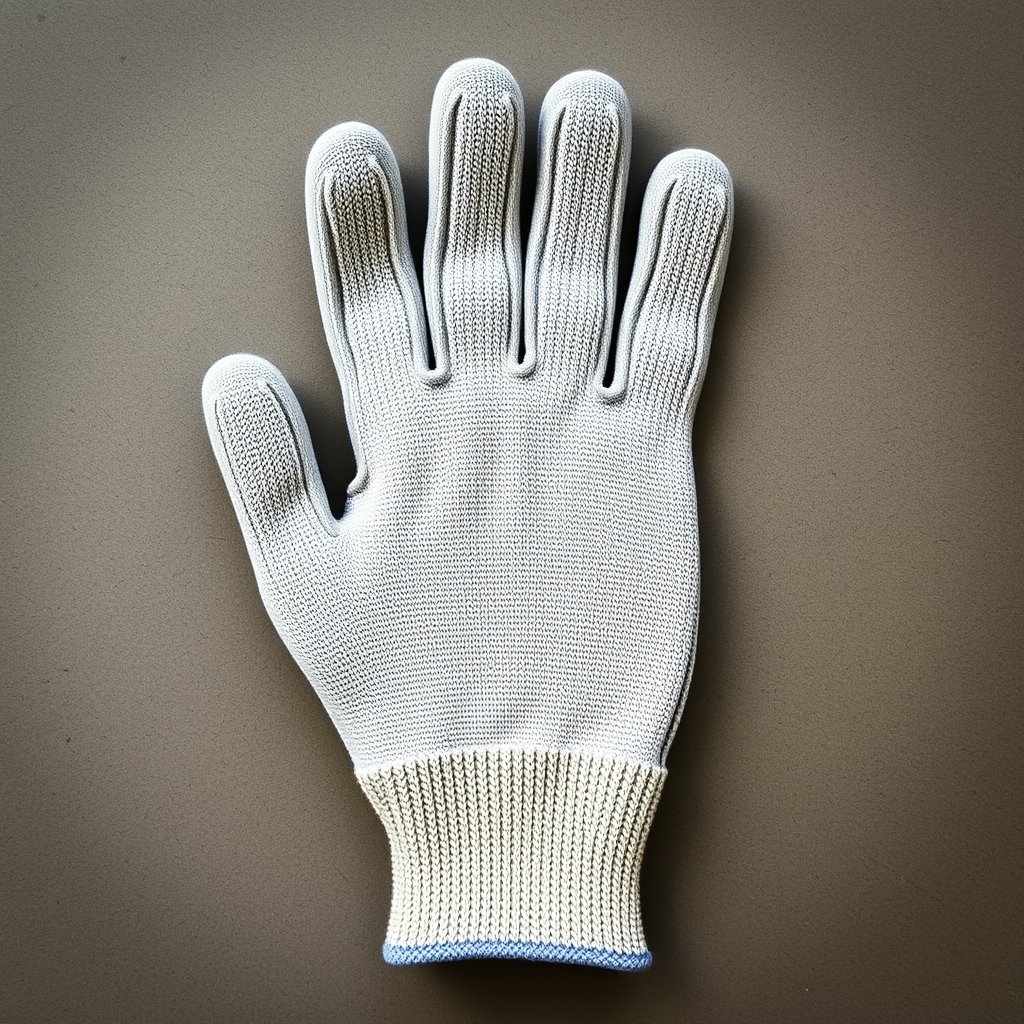
We combine lightweight fifteen-gauge nylon backings with a double-dipped palm coating to balance hand flexibility and rugged wear resistance. The primary sandy nitrile layer repels heavy machine lubricants while the textured outer surface channels fluid away, preventing slippage during heavy wrenching and metal stamping tasks.
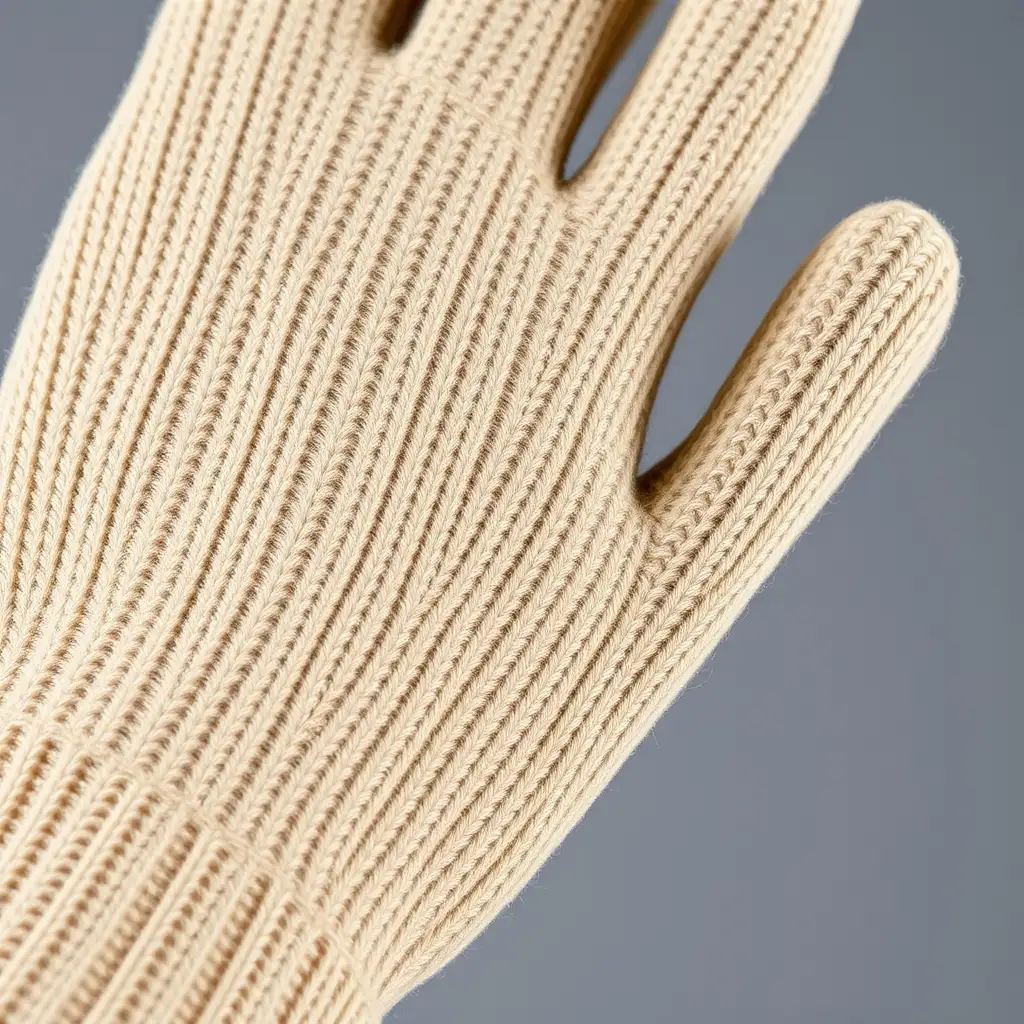
Procurement managers can modify the dip depth from simple palm coatings to full knuckle coverage depending on liquid exposure levels. We offer adjustable cuff lengths and variable yarn densities from fifteen-gauge for intricate assembly to ten-gauge for heavy material handling, ensuring a precise match for your target market.
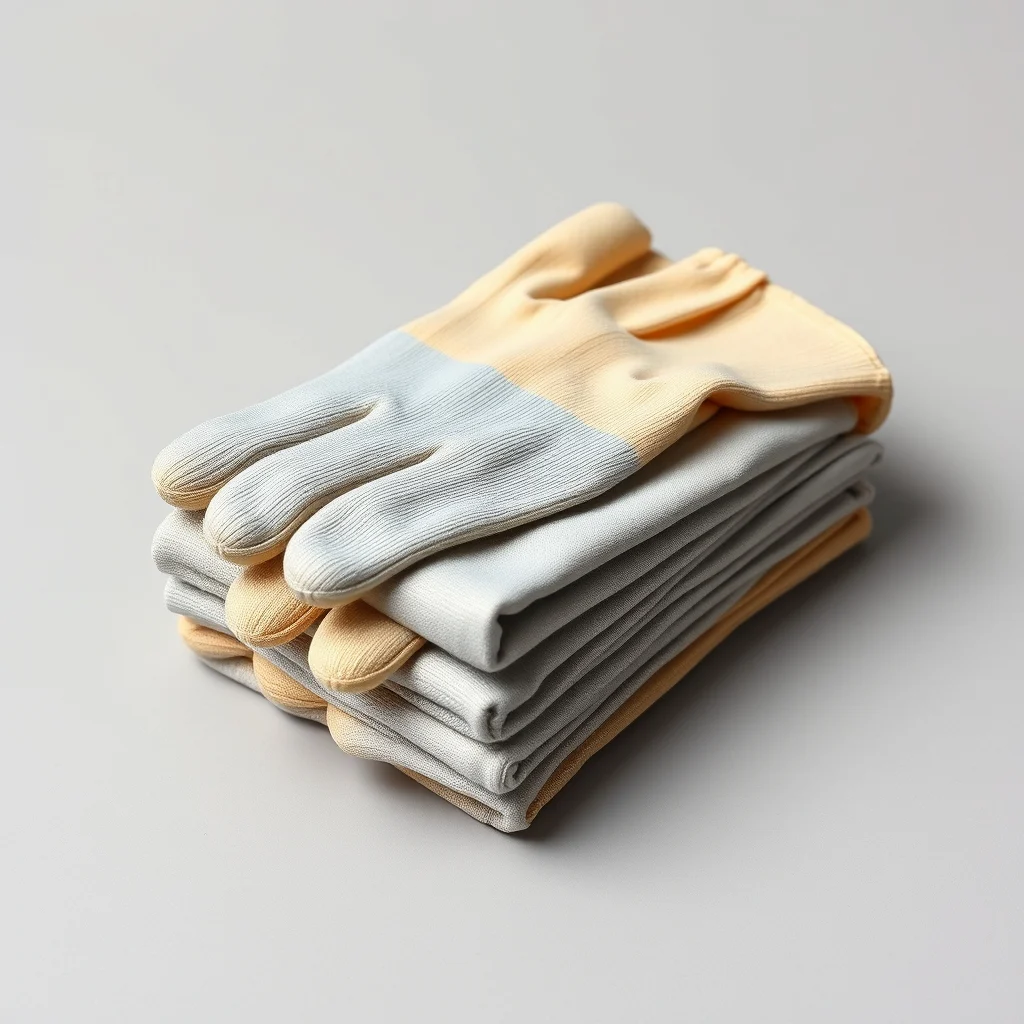
Substandard hand protection leads to friction burns, skin lacerations, and costly worker absenteeism in industrial settings. Equipping your teams with mechanical gloves engineered to withstand high cyclic friction reduces replacement costs and keeps high-volume manufacturing lines running without interruption.
Specification Review
Share the hazard, the task and the volume you need. We will confirm the right construction, the rating it should carry, and the pricing band that applies at your quantity.
Product Gallery
Available in continuous-filament nylon and high-density polyester bases with options for foam nitrile, flat polyurethane, or crinkle latex palm applications.
Why Source From MiGloves
The textured surface profile creates micro-vacuum suction when handling wet or oil-covered metal workpieces.
Open-weave stitch patterns allow heat and moisture to escape during intense twelve-hour assembly shifts.
Extra structural stitching at the primary wear zone prevents premature seam blowout under high torque.
Snug wrist closures prevent metal filings, grinding dust, and sharp swarf from entering the glove interior.
Molded on natural hand profiles to minimize hand fatigue during repetitive gripping and sorting operations.
DMF-free polyurethane coatings provide an ultra-sensitive tactile feel for handling fine machine screws.
Manufacturing Benchmarks
Technical FAQ
Sandy nitrile features micro-cavities that absorb surface liquids, creating a physical channel that allows direct glove-to-part contact. This prevents the aquaplaning effect common with flat coatings when handling oiled steel.
We test our mechanical gloves using the EN388 Martindale abrasion tester. This machine uses pressurized sandpaper to cycle over the glove palm until a breakthrough hole is formed, certifying the wear resistance rating.
Yes, our nitrile and polyurethane coated options are synthetic polymers. They are manufactured without natural latex proteins, making them safe for workers prone to Type I allergic reactions.
We can weave fluorescent yellow, orange, or green high-tenacity polyester yarns into the glove backing. This increases worker visibility in low-light environments like roadside repair and heavy industrial rigging.
Wholesale Procurement
Contact our engineering team in Sialkot to discuss your specific EN388 mechanical gloves requirements, coating preferences, and custom cuff configurations for your bulk order.