
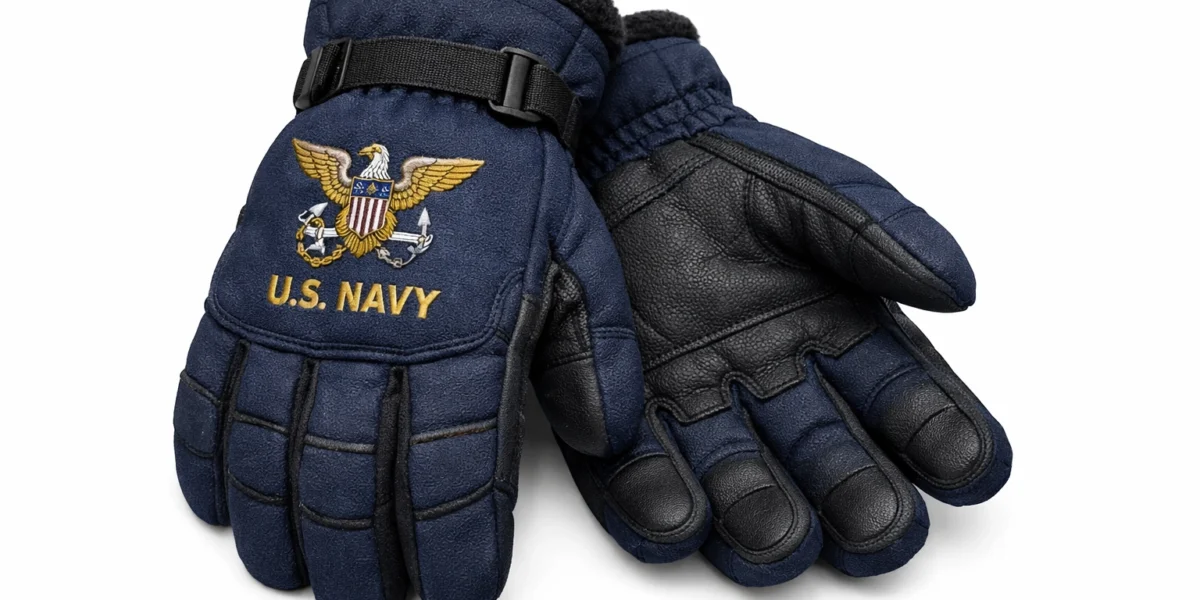
Gloves are an important part of Navy uniforms, both for ceremonial duties and operational purposes. Understanding Navy uniform regulations ensures that personnel maintain proper appearance, comply with standards, and perform tasks efficiently. This guide explains glove requirements, materials, sizing, care, and best practices for Navy uniforms.
Table of Contents
- Introduction to Navy Uniform Gloves
- Navy Uniform Regulations Overview
- Types of Gloves Used in Navy Uniforms
- Material and Color Requirements
- Sizing and Proper Fit Guidelines
- Gloves in Ceremonial and Formal Use
- Care and Maintenance of Navy Gloves
- Frequently Asked Questions (FAQs)
- Related Articles & Internal Links
1. Introduction to Navy Uniform Gloves
Gloves are an integral part of Navy uniforms, contributing to professional appearance, safety, and uniformity. Whether worn during ceremonial events, inspections, or operational activities, gloves must comply with Navy regulations to maintain a consistent standard across all personnel.
2. Navy Uniform Regulations Overview
The Navy prescribes detailed guidelines for uniform gloves, covering aspects such as:
- Approved colors for ceremonial and operational gloves
- Material requirements for comfort, durability, and appearance
- Proper sizing to ensure uniformity and functional dexterity
- Usage in formal events, parades, and daily duties
Following these regulations ensures personnel are in full compliance with military standards and present a cohesive appearance.
3. Types of Gloves Used in Navy Uniforms
There are several types of gloves included in Navy uniform regulations:
- White Dress Gloves: Worn for ceremonial duties, inspections, and parades. Typically cotton or polyester for comfort and breathability.
- Leather Operational Gloves: Used in tasks requiring protection and durability, such as handling equipment or during onboard operations.
- Cold Weather Gloves: Insulated gloves for harsh weather conditions to maintain hand warmth without compromising dexterity.
4. Material and Color Requirements
Materials are carefully selected to meet Navy standards:
- Cotton: Preferred for ceremonial dress gloves due to soft texture and comfort.
- Polyester Blends: Used for mass production of ceremonial gloves; wrinkle-resistant and lightweight.
- Leather: Required for operational gloves to provide durability, grip, and protection.
Color specifications are strict: white gloves are standard for ceremonies, while black or dark-colored gloves are authorized for operational or cold-weather use.
5. Sizing and Proper Fit Guidelines
Proper glove sizing ensures comfort, dexterity, and uniform appearance. Guidelines include:
- Measure hand circumference and length accurately using a flexible tape.
- Select gloves that allow full finger movement without excess slack.
- Ensure uniform sizing across units to maintain consistent appearance.
- Consider stretch materials or leather break-in time for optimal fit.
6. Gloves in Ceremonial and Formal Use
For ceremonial duties, gloves must complement the uniform and maintain precise appearance:
- White gloves should be spotless and free of stains.
- Cuffs should align perfectly with uniform sleeves.
- Finger tips must not extend beyond glove edges to ensure neatness.
- Gloves must be worn at all official events requiring formal uniform.
7. Care and Maintenance of Navy Gloves
Proper care prolongs glove life and maintains appearance:
- Cotton Gloves: Hand wash or gentle machine wash, air dry flat.
- Leather Gloves: Wipe with a damp cloth, apply leather conditioner, store flat.
- Polyester Gloves: Machine washable, avoid bleach or high heat drying.
- Store gloves in a clean, dry environment to prevent discoloration or deformation.
8. Frequently Asked Questions (FAQs)
Are white gloves mandatory for all Navy ceremonies?
Yes, white gloves are typically required for formal ceremonies, parades, and inspections unless otherwise specified.
Can operational leather gloves be used for ceremonial duties?
No, leather gloves are designed for protection and are not suitable for formal appearances.
How do I know the correct size for Navy gloves?
Measure your hand and refer to Navy-issued sizing charts for precise fit.
How often should ceremonial gloves be replaced?
Replace gloves when they show signs of wear, staining, or damage to maintain a polished appearance.
Are custom embroidered gloves allowed?
Custom embroidery is generally restricted; only approved insignia and rank markings are permitted.
9. Related Articles & Internal Links
- Ceremonial Uniform Gloves: Purpose and Material Guide
- Uniform White Gloves: Uses, Care, and Industry Standards
- Uniform Leather Gloves: Selection and Care Guide
For bulk orders or consultation on Navy uniform gloves, contact us at
info@migloves.com.
Leave a Reply