The Shift from Commodity Sourcing to Brand Equity
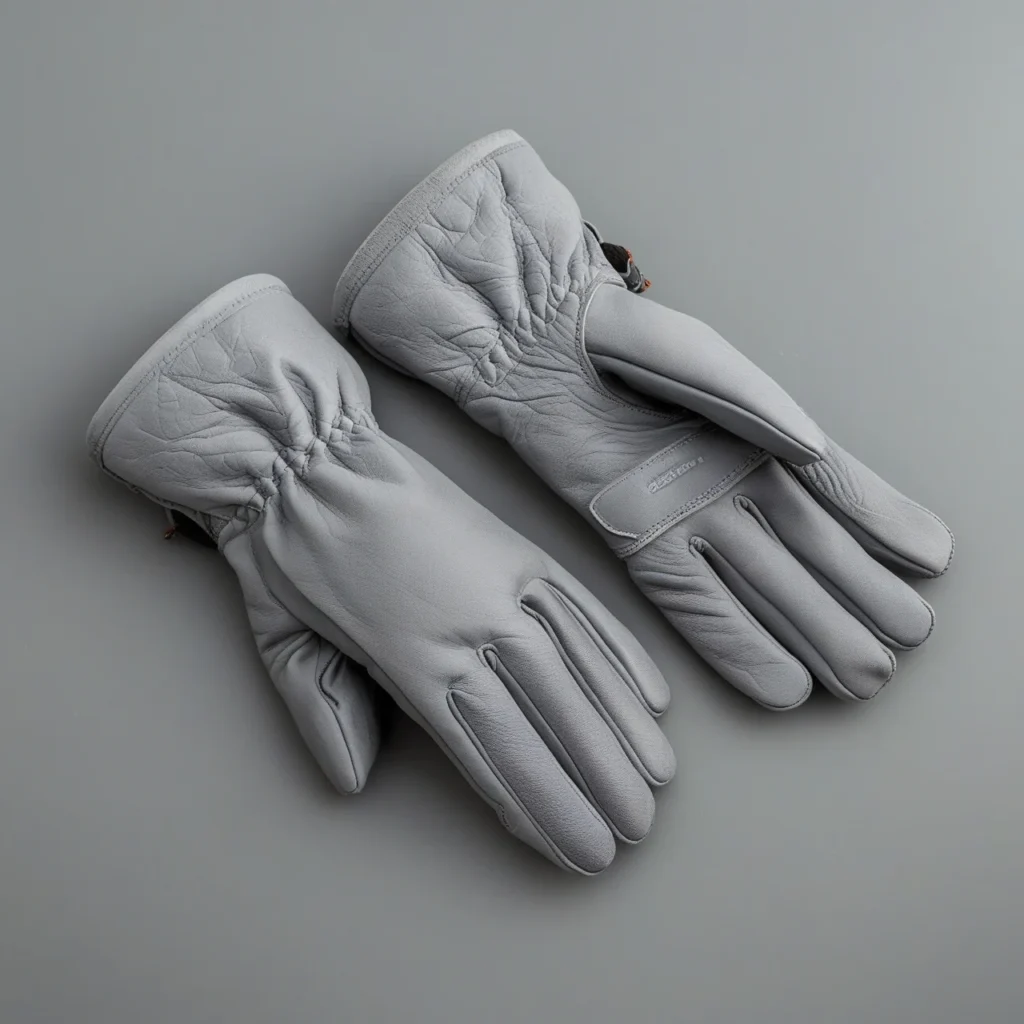
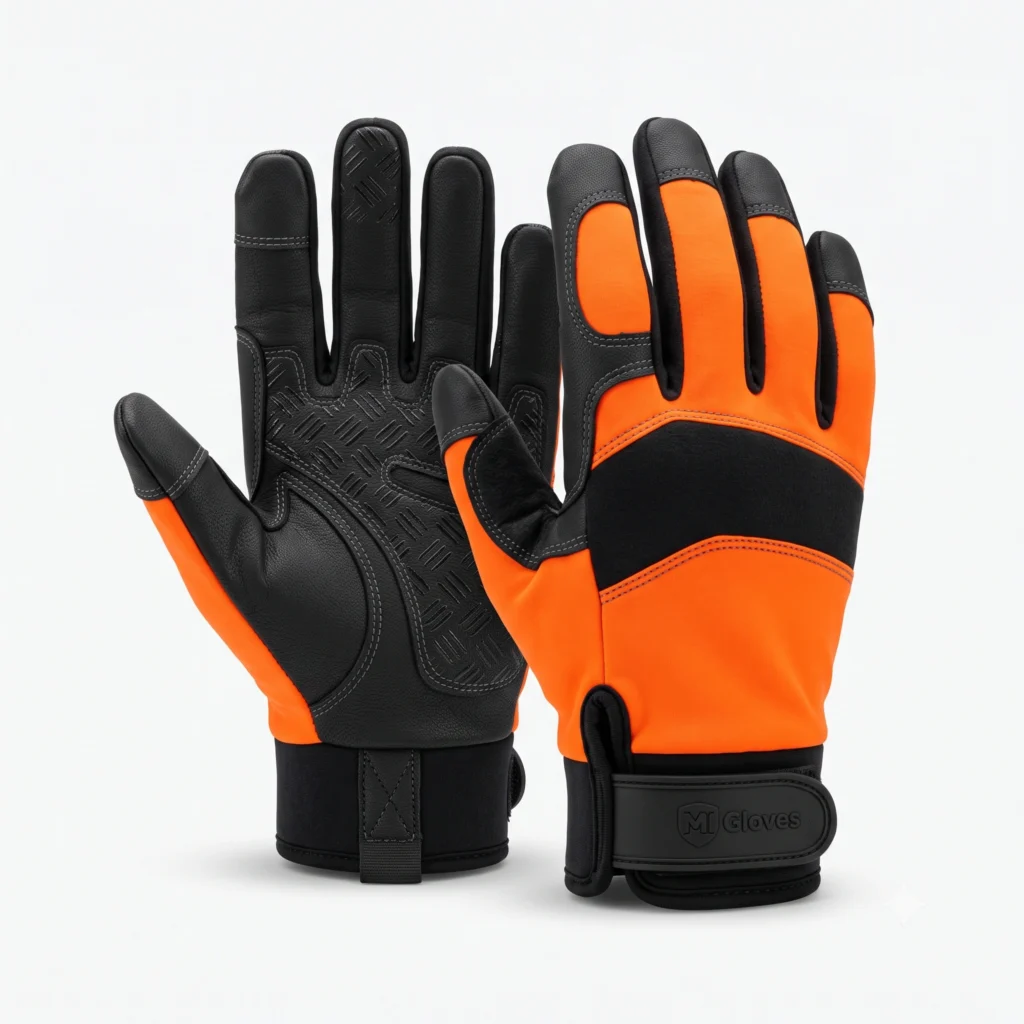
Selling unbranded PPE is a race to the bottom. When you distribute generic work gloves, your margins get squeezed by every price matching competitor down the street. The buyer only cares about unit cost, and switching suppliers takes them five minutes. Building your own product line changes that math entirely. By launching private label safety gloves, you turn a fast-moving commodity into a defensible asset that locks in customer loyalty.
Procurement teams and regional safety distributors are realizing that relying solely on major global brands limits their profit potential. Master distributors take a massive cut, leaving you with single-digit margins on high-volume items. When you own the brand, you control the pricing structure, the product specifications, and the supply chain. You are no longer just a middleman handing over someone else’s catalog; you become the sole source for a specialized piece of safety equipment.
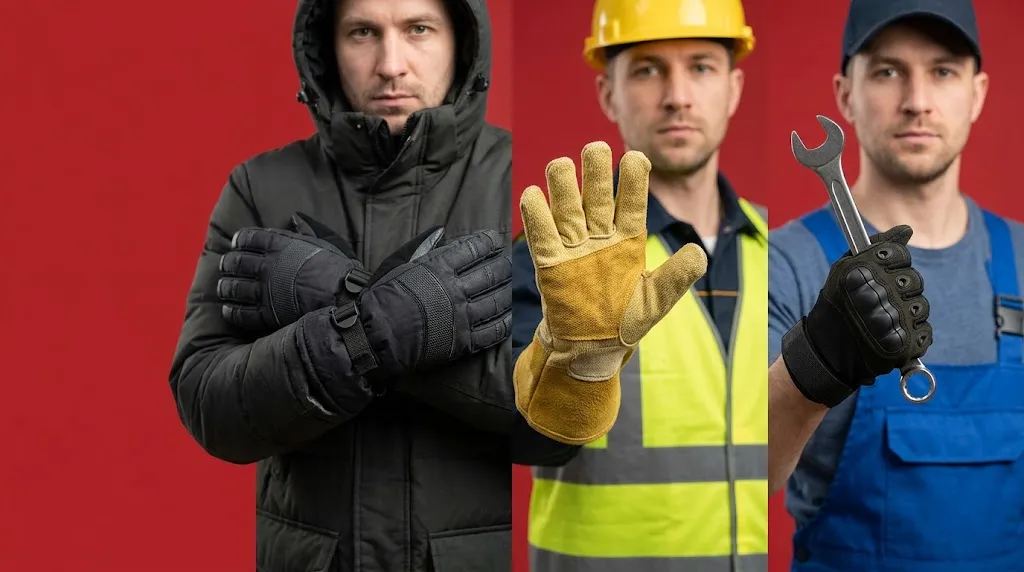
Understanding the Manufacturing Models: OEM vs. Private Label
The terminology in glove manufacturing often gets muddled, but the distinction between contract models dictates your upfront investment, development timeline, and minimum order quantities. Choosing the right path depends on whether you are tweaking an existing design or engineering a new glove from the yarn up.
Private Label Manufacturing
Private labeling takes an established, field-tested glove pattern from a safety glove factory and applies your visual identity. The shell construction, coating formulation, and cut-resistance ratings are already finalized and certified. You choose the cuff color, heat-transfer logo placement, backing card design, and packaging style. This approach offers the fastest route to market and lowest minimum order quantities because the factory does not need to cut new dies or re-engineer production lines.
Original Equipment Manufacturing (OEM)
If you need a glove built to proprietary specifications, you enter the realm of OEM gloves. This means selecting specific yarn blends, such as mixing ultra-high-molecular-weight polyethylene with stainless steel thread, designing custom thermoplastic rubber impact bumpers, or creating a unique dip pattern. OEM manufacturing requires custom tooling, extensive sample iterations, and dedicated lab testing for EN388 or ANSI/ISEA standards. It demands higher upfront capital, but it gives you a unique product that no competitor can copy.
| Factor | Private Label | OEM Manufacturing |
|---|---|---|
| Development Time | 4 to 8 weeks | 4 to 6 months |
| Upfront Tooling Costs | Zero to minimal (screen/plate fees) | High (TPR molds, custom cutting dies) |
| Minimum Order Quantity (MOQ) | Lower (typically 1,000 to 3,000 pairs) | Higher (typically 5,000+ pairs per size) |
| Certification Responsibility | Factory holds baseline test reports | Brand owner must fund new lab tests |
| Best Suited For | Distributors entering the market quickly | Established brands with unique patent claims |
Key Material Choices That Define Product Performance
A shiny logo will not save a glove that rips apart on a scrap metal yard floor after two days. Your brand reputation hinges entirely on material selection. Understanding raw inputs allows you to hold your manufacturing partner accountable and build products that match specific job-site hazards.
Synthetic coated gloves dominate modern industrial work environments. Nitrile coatings resist petroleum-based oils and punctures, making them essential for automotive assembly and machine shops. Micro-foam nitrile options draw oil away from the surface to maintain grip on wet metal parts. Polyurethane dips offer high tactile sensitivity for electronics assembly, though they lack durability in heavy rigging applications. Latex coatings deliver exceptional dry grip and tear resistance for construction trades, though heat and oil exposure degrade them quickly.
Leather remains unmatched for abrasion resistance, welding sparks, and heavy industrial tasks. Premium grain goatskin contains high natural lanolin levels, making it exceptionally soft and pliable without sacrificing tensile strength. It is the preferred choice for driver gloves and TIG welding. Cowhide offers thicker, rugged protection for heavy handling, though it requires longer break-in periods. Split leather provides cost-effective flame protection for basic welding and rough material handling.
Designing Custom Logo Gloves That Last
Branding on work gloves faces extreme friction, oil soaking, laundering, and flexing. If your logo peels off or cracks during the first shift, your brand looks cheap. Selecting the proper customization method for the specific substrate is vital.
- Heat Transfer Printing: Best for seamless knit shells made of nylon, polyester, or HPPE. High-quality silicone inks expand with the stretch of the cuff without cracking.
- Silk Screen Printing: Works well on heavy canvas backs, leather driver cuffs, and cotton canvas gloves. It provides high opacity for bright white logos on dark fabric.
- Direct Embroidery: Best suited for premium leather riggers and cold-weather work gloves. While visually high-end, embroidery pierces the outer material, so it should never be used on liquid-proof or chemical-resistant gloves.
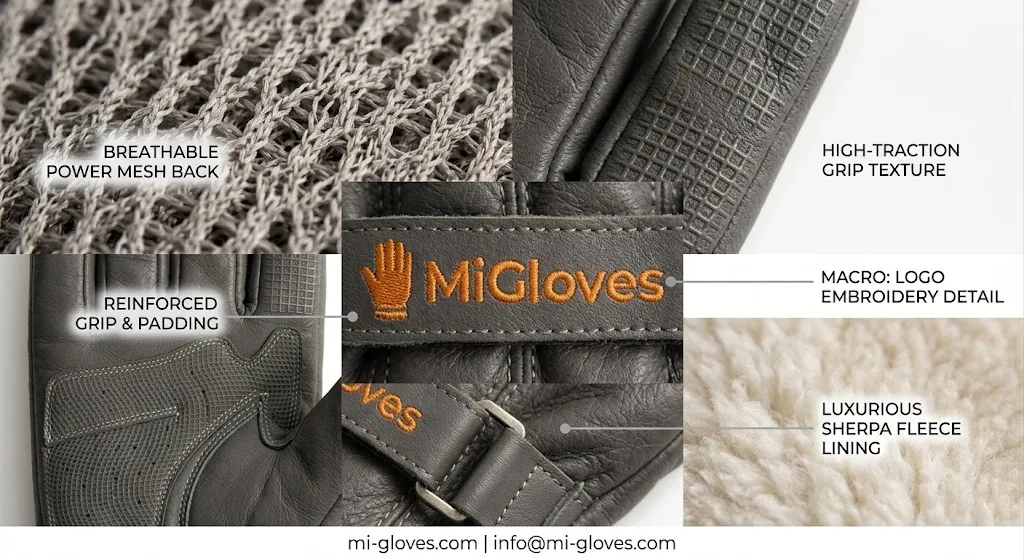
- TPR Molded Badging: Sonic welding or stitching custom rubber patches onto the wrist strap or back-of-hand provides high visibility and extreme durability for oil and gas gloves.
- Custom Woven Labels: Small folded fabric tags sewn into the hem seam offer a subtle, clean look that survives industrial laundering cycles intact.
Beyond the glove itself, pay attention to the retail presentation. Custom rider cards, barcode hangtags, and bulk polybag layouts directly impact how easy it is for your customers to stock, scan, and resell your product.
Navigating Compliance, Testing, and Quality Control
You cannot simply stamp a cut level on a glove and ship it. Safety managers inspect compliance tags before allowing PPE onto their job sites. If your glove carries fraudulent or unverified performance claims, your brand faces severe legal exposure.
In North America, the ANSI/ISEA 105 standard measures cut, abrasion, puncture, and impact resistance. Cut levels range from A1 to A9, measured using a Tomodynamometer machine. European markets rely on EN388:2016, which uses a four-digit numeric score plus two letter codes for cut and impact. Never assume test reports from one material batch automatically apply to another. If you change yarn suppliers or coating thickness, you must re-test.
Working directly with a certified safety glove factory means asking for third-party test certificates from recognized labs like CTC, SATRA, or Centexbel. Reputable manufacturers supply batch-specific lab reports upfront, eliminating compliance risk before bulk production starts.
Quality control must happen at the source, long before goods enter a shipping container. Establish an Acceptable Quality Limit standard, typically AQL 2.5 for major visual defects and AQL 1.5 for critical structural flaws, with your manufacturer. Standard pre-shipment inspections check seam strength, coating consistency, sizing accuracy across full grading scales, and physical lab verification of physical dimensions.
Avoiding Common Mistakes in Glove Sourcing
Sourcing directly from overseas factories saves significant margin, but simple miscommunications ruin entire shipments. One common mistake is ignoring standard sizing variations across regions. European hand patterns tend to have longer, slimmer fingers, while North American patterns require wider palms and thicker wrists. Failing to supply exact measurement specs leads to sizing discrepancies that trigger expensive return rates.
Another common mistake is rushing the sample approval phase. Never sign off on bulk production based on a single photo or a hand-made sample standard that uses substitute materials. Require your factory to produce a pre-production sample using the exact production machinery, raw yarn batch, and custom logo gloves printing process that will run during bulk manufacturing. Flex the glove, wear it for a full workday, wash it, and measure it again before issuing your final purchase order deposit.
Building a Profitable Private Label Line
Launching private label safety gloves turns your business from a price-taking distributor into a recognized brand owner. By controlling your material specs, standardizing your compliance testing, and branding your products cleanly, you protect your margins and build long-term business equity. Partnering with a reliable factory secures your supply chain and establishes a high baseline of quality that keeps your end-users protected shift after shift.
Frequently Asked Questions
What is the standard minimum order quantity for private label safety gloves?
Minimum order quantities typically range from 1,000 to 3,000 pairs per style for standard private label models with custom logos and packaging. Completely custom OEM gloves that require unique yarn spinning or dedicated TPR impact molds may require 5,000 pairs or more per production run.
How long does it take to produce and ship a custom glove order?
Sample development and logo approval generally take 2 to 3 weeks. Once pre-production samples are approved, bulk manufacturing requires 30 to 45 days. Ocean freight adds another 3 to 6 weeks depending on your destination port, while air freight takes 7 to 10 days.
Who is responsible for safety certification when private labeling?
When using a factory’s existing, tested glove design, you can typically leverage the factory’s existing third-party EN388 or ANSI test reports. However, if you modify the design, change materials, or create a proprietary OEM glove, your brand must fund independent testing to verify compliance.
What custom logo method works best on seamless knit work gloves?
Heat transfer printing using flexible silicone or polyurethane inks works best on seamless knit shells. This method allows the logo to stretch alongside the elastic cuff without cracking, peeling, or fading during daily use and repeated laundering cycles.