
Sourcing industrial hand protection is a balancing act between rising material costs, strict regulatory compliance, and the pressure to maintain healthy margins. If you buy from the wrong region, you risk receiving stiff, low-grade leather that cracks under stress, or dipped coatings that peel after three shifts. Many global procurement managers are shifting their focus to South Asia, specifically targeting a Pakistan safety gloves manufacturer to secure their supply chain.
Pakistan, particularly the industrial hub of Sialkot, has quietly built an ecosystem that dominates the high-performance work glove market. Here is a practical look at why international buyers are moving their production to Pakistani suppliers, and how this choice impacts your bottom line.
The Leather Legacy: Unmatched Cowhide and Goatskin Sourcing
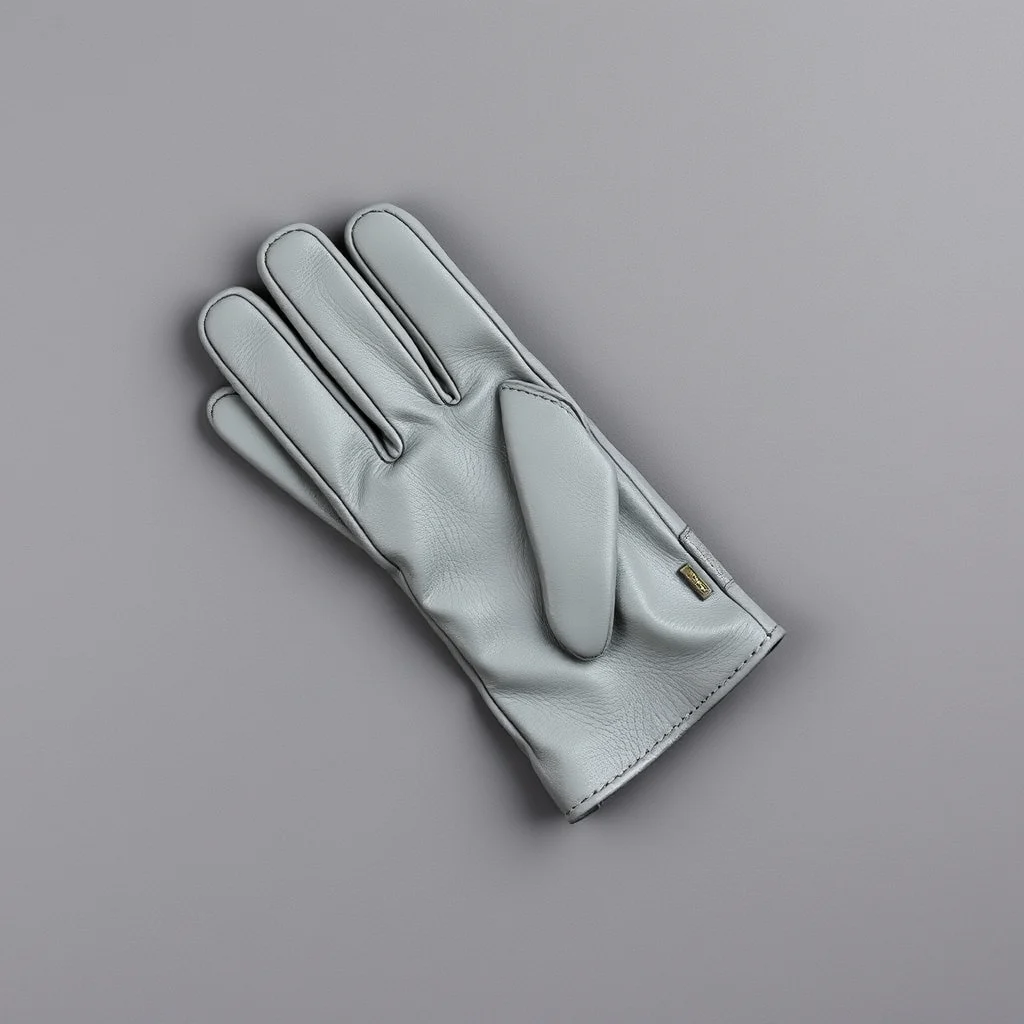
Leather remains the gold standard for heavy duty work, welding, and rigging. The raw material supply chain in Pakistan offers a distinct advantage that synthetic alternatives cannot match. Local tanneries process high volumes of cowhide, goatskin, and sheepskin daily, ensuring fresh, consistent raw stock.
Pakistani goatskin is famous for its high tensile strength despite its thin, supple gauge. This makes it the ideal material for driver gloves and TIG welding gloves where tactile feedback is critical. When you partner with a glove exporter Pakistan relies on, you bypass the middleman markup on raw hides. The integration of local tanneries with manufacturing facilities keeps the cost per pair low while maintaining grain integrity.
Advanced Knitting and Dipping Technologies
While leather is a traditional strength, Pakistani factories have invested heavily in modern knitting and dipping lines. The demand for seamless knit liners coated with polyurethane, nitrile, or latex has surged globally. These gloves protect workers from abrasions and cuts while offering breathable comfort.
Modern facilities use high-gauge computer knitting machines to produce liners from 10-gauge up to 18-gauge. This tech allows for the integration of technical fibers like HPPE, glass fiber, and steel wire for high-level cut protection. The dipping process is tightly controlled to ensure even coating thickness, preventing the chemical penetration that ruins cheaper imports.
The Flexibility of OEM Gloves and Customization
For safety brands looking to establish their own proprietary line, off-the-shelf products will not cut it. You need specific cuff lengths, custom palm paddings, or reflective strips that match your brand identity. Working with a Pakistani partner allows for extensive customization through OEM gloves programs.
Unlike rigid manufacturers in some East Asian hubs who require massive minimum order quantities for minor changes, Pakistani suppliers are generally more accommodating. They can easily adjust stitching patterns, integrate thermoplastic rubber impact guards, or apply custom branding via heat transfer or silk screen printing.
Comparing Production Capabilities: Pakistan vs. East Asian Hubs
The table below highlights how Pakistani manufacturers stack up against competitors in other major manufacturing hubs across key purchasing criteria.
| Sourcing Factor | Pakistan Manufacturers | East Asian Competitors | |
|---|---|---|---|
| Leather Quality | Excellent; local premium grain and split leather. | Variable; often relies on imported hides. | Medium to High; depends on local tannery access. |
| MOQ Flexibility | Moderate; willing to accommodate mid-sized custom runs. | Very High; prefers massive standardized runs. | Moderate; open to negotiation. |
| Cost Efficiency | Highly competitive labor and raw material costs. | Rising labor costs driving prices upward. | Competitive, but high shipping complexities. |
| Compliance & Certifications | Widely aligned with EN ISO standards and CE certifications. | Strong compliance, but often with higher price premiums. | Improving, but inconsistent across smaller factories. |
Strict Adherence to International Safety Standards
A beautiful glove is useless if it fails a safety audit or, worse, fails on the factory floor. Importers must ensure that their products meet relevant regional standards, such as the European EN 388 for mechanical risks or ANSI/ISEA standards for cut and puncture resistance in the United States.
Reputable manufacturers in Sialkot operate internal testing labs to pre-screen materials before sending them to third-party verification bodies like CTC or SATRA. This rigorous process guarantees that the leather thickness, seam strength, and coating integrity meet the exact performance levels stamped on the back of the glove. Skipping these checks to save a few cents is a recipe for expensive product recalls and liability issues.
Sialkot: The Industrial Super-Cluster
Sialkot is a unique industrial cluster where specialized skills have been passed down through generations. This concentrated expertise means that from pattern makers to stitching machine operators, the workforce understands how a glove should fit and perform. It is not just about sewing pieces of material together; it is about knowing how to pre-curve fingers to reduce hand fatigue or where to place reinforcements to prevent seam blowout.
This cluster effect also streamlines logistics and packaging. Within a small radius, manufacturers have access to specialized packaging facilities, thread suppliers, mold makers, and shipping agents. This proximity reduces internal lead times, allowing for faster turnaround on wholesale safety gloves orders.
Strategic Cost and Duty Advantages
In the wholesale safety market, fractional differences in unit price determine whether you win a contract or lose it. Pakistan offers significant cost advantages due to a competitive domestic labor pool, abundant natural resources, and favorable trade agreements. Many countries offer reduced import duties on Pakistani goods, which can save importers between 5% and 12% at the port of entry compared to goods sourced from tariff-heavy nations.
Furthermore, direct shipping routes from ports in Karachi to major European and North American hubs ensure that bulk logistics remain manageable and predictable. By consolidating your shipments, you can maintain a lean inventory while keeping shipping costs per unit to a minimum.
Making the Switch: Best Practices for Importers
If you are planning to transition your production to Pakistan, keep these practical tips in mind to ensure a smooth onboarding process:
- Define Your Tech Specs: Do not just ask for a rigger glove. Specify the leather grade, thickness in millimeters, lining material weight, and required EN 388 performance levels.
- Request Counter-Samples: Always evaluate physical samples before placing a deposit. Test the fit, check the seam allowance, and put the gloves through a real-world trial.
- Clarify the Packaging: Detail how you want the gloves bundled, tagged, and packed into master cartons. Clear labeling prevents warehouse headaches later on.
Partnering with a reliable Pakistan safety gloves manufacturer secures your supply of high-grade protective wear. By focusing on clear communication and technical specifications, you can build a resilient, profitable sourcing channel that protects both your customers and your margins.
Frequently Asked Questions
Why is Pakistan a major hub for safety gloves manufacturing?
Pakistan is a major hub because of its abundant domestic supply of high-quality leather, advanced textile knitting infrastructure, and highly skilled labor force in Sialkot. These factors allow manufacturers to produce premium protective wear at highly competitive wholesale prices.
How do Pakistani glove manufacturers ensure compliance with international safety standards?
Pakistani manufacturers ensure compliance by operating internal testing laboratories and partnering with certified European testing bodies like CTC and SATRA. They test for parameters like EN 388 mechanical protection and ANSI cut resistance to guarantee that every batch meets global standards.
Can I get custom OEM safety gloves made in Pakistan?
Yes, Pakistani manufacturers specialize in OEM services, allowing you to customize glove patterns, materials, colors, and branding. They offer flexible minimum order quantities compared to other major manufacturing hubs, making custom product development highly accessible.
What types of industrial gloves are primarily exported from Pakistan?
The primary exports include heavy-duty leather driver and rigger gloves, welding gloves, and high-performance seamless knit gloves coated with nitrile, polyurethane, or latex. These products serve heavy industry, construction, automotive, and oil and gas sectors worldwide.