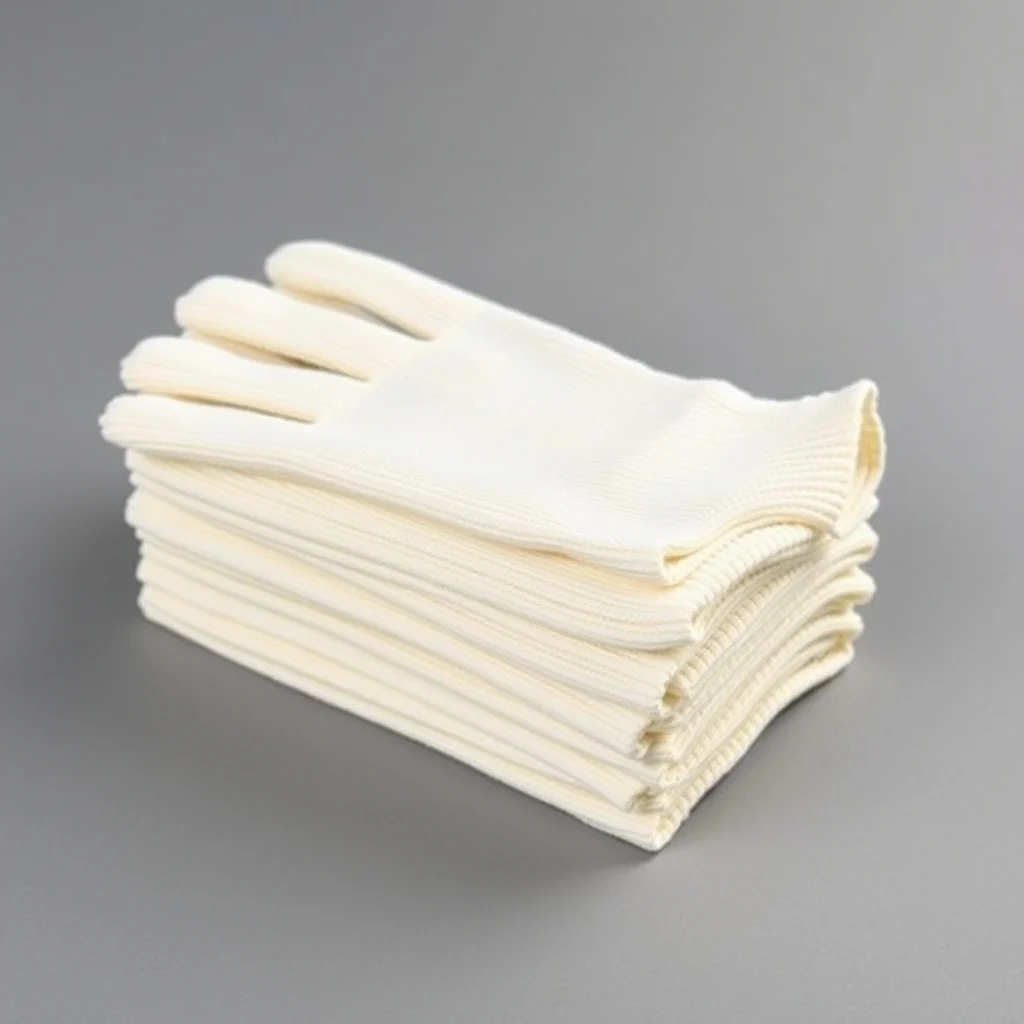
When temperatures drop, trade workers and industrial buyers cannot afford to compromise on hand safety. Choosing winter workwear often means struggling to find the right balance between thick insulation and reliable physical protection. Standard thermal gear quickly fails when facing sharp metal, glass, or heavy machinery, leading to costly workplace injuries and downtime.
This guide compares heavy-duty puncture proof gloves and cut-resistant winter work gloves. We will help you select the right bulk protection for construction, cold storage, and outdoor utility work so your crew stays warm without sacrificing dexterity.
Understanding Cut and Puncture Resistance Ratings in Winter Wear
When buying winter work gloves, you cannot rely on thickness alone to protect against punctures. Standard cold-weather insulation like Thinsulate protects against frostbite but offers zero resistance against nails, glass, or jagged metal. To ensure real protection, you must look at the ANSI/ISEA 105 and EN 388 standards. ANSI rates puncture resistance on a scale of 1 to 5, while EN 388 rates it from 1 to 4. For winter work, selecting cut level 4 gloves provides the sweet spot. These gloves feature high-density woven liners that stop sharp hazards from penetrating the glove, yet they remain flexible enough to incorporate thermal fleece layers without becoming too stiff to use.
- ANSI Cut Level A4 / EN 388 Level 4: Protects against heavy construction debris, metal shards, and glass handling.
- Thermal Integration: High-gauge liners block sharp points while leaving room for brushed acrylic or fleece insulation.
The Anatomy of a Cold-Weather Puncture Proof Glove
Building a glove that resists sharp objects while keeping hands warm in freezing temperatures requires a precise three-layer construction. The inner layer features a brushed thermal liner, often made of heavy-weight acrylic fleece or Thinsulate, which traps body heat without adding excessive bulk. This liner must remain flexible at sub-zero temperatures to prevent hand fatigue during long shifts.
- An intermediate protective core woven from high-performance polyethylene (HPPE) or aramid fibers to stop sharp metal, glass, and wood splinters.
- A heavy-duty palm coating made of premium nitrile or latex formulated to stay pliable in the cold, preventing cracks that compromise wet grip.
- Reinforced fingertips and thumb crotches sewn with double stitching to protect the areas most vulnerable to wear and sudden punctures.
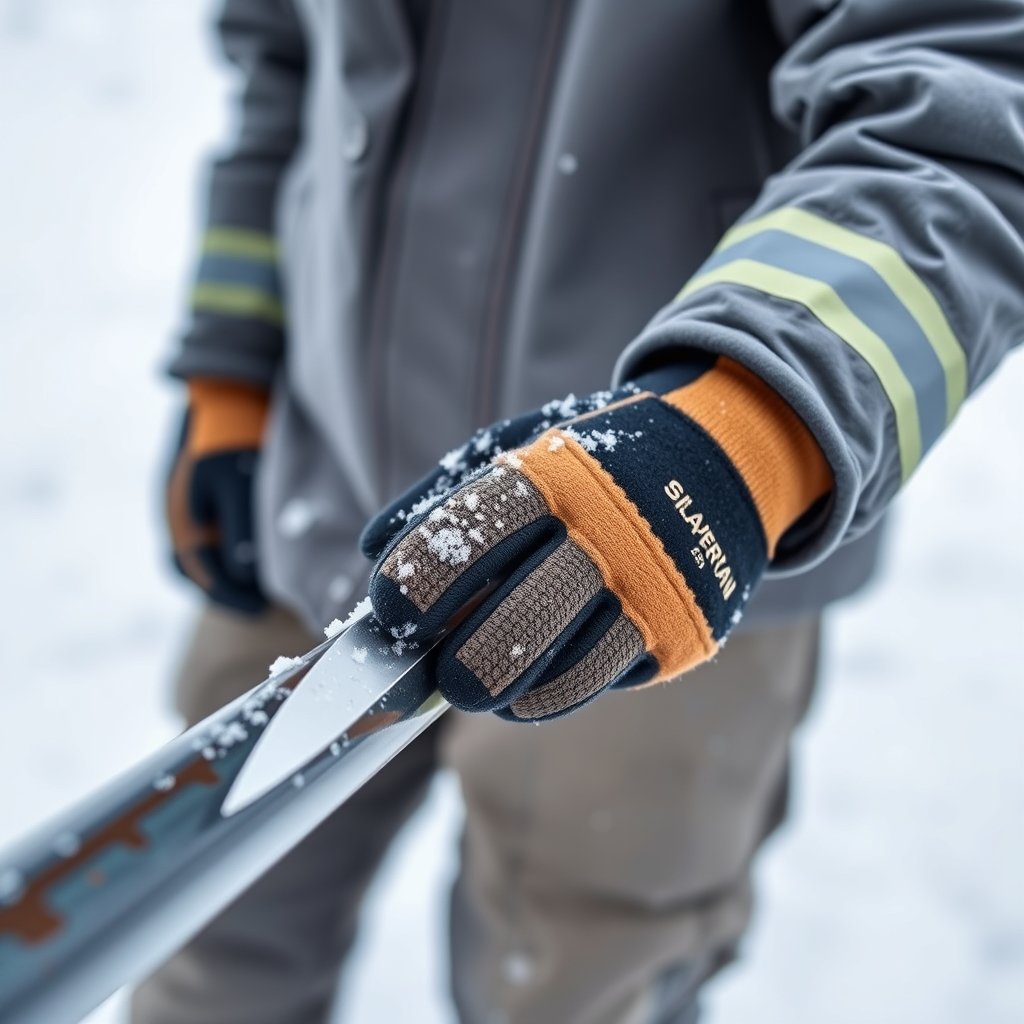
Wet and Oily Conditions: Selecting the Right Outer Coating
Winter conditions rarely stay dry. When rain, snow, or industrial fluids saturate a standard knit glove, the material loses its insulating properties and draws heat away from the hand. Liquid penetration also introduces chemicals and oils directly to the skin, creating slipping hazards and compromising grip. For crews handling wet or lubricated materials, selecting the correct outer coating is just as critical as the puncture-resistant liner.
- Nitrile coatings: Excellent for handling oily parts, resisting hydrocarbons, and maintaining a firm grip. Double-dipped nitrile gloves prevent oil from seeping through the knit fabric.
- Latex and rubber coatings: Ideal for wet and muddy outdoor environments, offering superior flexibility in freezing temperatures and a high-traction grip.
- PVC coatings: Best for chemical resistance and cold-weather flexibility, keeping the glove pliable and waterproof in sub-zero conditions.
Dexterity Versus Insulation: Finding the Right Fit for Your Crew
When outfitting workers for freezing conditions, the biggest challenge is balancing thermal insulation with the physical control needed to handle tools safely. Traditional heavy insulated work gloves keep hands warm but often reduce a worker's grip and hand flexibility. This stiffness leads to hand fatigue and tempts workers to remove their gloves, exposing them to cold injuries and puncture hazards on the job site. For tasks requiring extreme precision, standard winter gloves are often too bulky. This is where specialized designs become necessary.
- Heavyweight insulated puncture proof gloves: Best for general material handling, rigging, and outdoor construction where hands remain closed around large tools and materials.
- Fingerless grip gloves with thermal liners: Ideal for technicians, mechanics, and operators who must manipulate small fasteners, use touchscreens, or perform fine adjustments in cold environments without sacrificing overall hand warmth.

Sourcing Wholesale Winter Gloves: What to Look For in a Manufacturer
When buying puncture proof gloves in bulk, your profit margins depend on finding a supplier that controls the entire production line. Sourcing directly from a manufacturer eliminates trading company markups, giving you the best price per dozen on specialized safety gear. Look for a partner that owns their knitting and dipping facilities to ensure consistent sizing across high-volume production runs. This control guarantees that a large size fits the same in November as it does in March.
- Direct manufacturer pricing to reduce your cost per unit on heavy-duty inventory
- Private labeling and custom branding options to print your logo directly on the glove cuff
- Proven global shipping timelines with transparent customs clearance handling
Questions people ask
What is the difference between puncture-resistant and cut-resistant gloves?
Puncture-resistant gloves are designed to stop pointed objects like nails, needles, and glass shards from penetrating the fabric. Cut-resistant gloves protect against slicing hazards from sharp edges like blades and sheet metal. While some gloves offer both types of protection, they rely on different testing standards and material weaves to achieve these ratings.
Can cut level 4 gloves protect against needle punctures?
No, standard cut level 4 gloves do not automatically protect against needle punctures. Hypodermic needles are extremely thin and can easily slide between the threads of standard cut-resistant knit fabrics. To protect against needles, you must use gloves specifically rated for medical-grade puncture resistance under the ASTM F2878 standard.
How do I clean and maintain industrial winter work gloves to extend their lifespan?
Clean your gloves according to the manufacturer's instructions, as different materials like leather, nitrile, and synthetic knits require specific care. Generally, you should brush off loose dirt, hand wash with mild soap and cool water, and air dry them away from direct heat sources. Regularly inspect the gloves for tears, worn spots, or thinning material, and replace them immediately if you find any damage.
Are there waterproof options for high-level puncture proof gloves?
Yes, there are waterproof options available for high-level puncture-resistant gloves. Manufacturers achieve this by combining a puncture-resistant palm liner with a waterproof membrane and a water-resistant outer shell. These gloves are ideal for wet, cold outdoor environments where both physical hand protection and moisture barriers are required.