1. Introduction to Half Finger Cycling Gloves
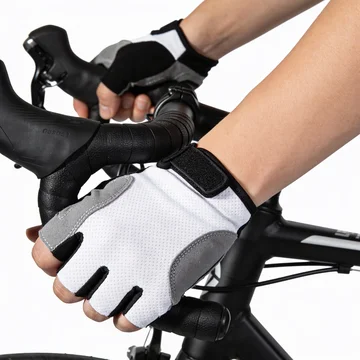
Half finger cycling gloves are an essential accessory for cyclists who prioritize comfort, grip, and breathability. Unlike full-finger gloves, these gloves expose the fingertips, allowing better control, ventilation, and tactile feedback during rides. In the United States, half finger cycling gloves are widely used for road cycling, indoor training, and summer riding conditions.
2. Why Half Finger Cycling Gloves Are Popular in the USA
The popularity of half finger cycling gloves in the USA is driven by climate, lifestyle, and cycling culture. Many regions experience warm weather for most of the year, making lightweight gloves a preferred option. American cyclists also value performance-oriented gear that offers comfort without sacrificing control.
3. USA Half Finger Cycling Gloves Market Overview (2025)
In 2025, the U.S. cycling gloves market shows steady growth, with half finger gloves accounting for a significant share. Increased health awareness, urban cycling, and recreational biking have boosted demand.
4. Sales Growth and Consumer Demand in the United States
- Growth in cycling as a fitness activity
- Higher participation in cycling events and races
- Demand for affordable yet durable sports accessories
- Expansion of private-label and OEM cycling brands
Consumers increasingly search for gloves that balance price, comfort, and durability.
5. Key Features Buyers Look for in Half Finger Cycling Gloves
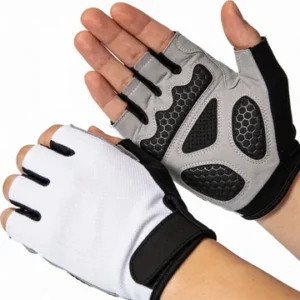
- Breathable and lightweight fabric
- Anti-slip palm grip
- Shock-absorbing padding
- Ergonomic fit
- Easy wear closures
6. Materials and Manufacturing Techniques Used
Modern half finger cycling gloves are made using polyester, lycra, microfiber, and silicone grip elements. Techniques like sublimation printing, heat transfer, embroidery, and reinforced stitching enhance durability and design.
7. Role of Customization and Branding in Cycling Gloves
Customization is a major factor in the U.S. market. Brands prefer custom colors, logos, and sublimated designs that maintain performance while improving brand identity.
8. Global Manufacturing Landscape for Cycling Gloves
Global production is concentrated in regions with strong textile and sportswear infrastructure, focusing on scalable manufacturing and export-quality standards.
9. Best Global Cycling Gloves Manufacturers to Watch in 2026
- Consistent quality control
- OEM & private-label support
- Low MOQs
- Advanced customization
- Reliable logistics
10. Future Outlook of Half Finger Cycling Gloves Market
The market outlook remains strong due to lifestyle cycling growth, material innovation, and sustainable product development.
11. Frequently Asked Questions (FAQs)
What are half finger cycling gloves used for?
They improve grip, reduce vibration, protect palms, and increase comfort during cycling in warm weather.
Are half finger cycling gloves suitable for long rides?
Yes, with proper padding and ergonomic design, they are ideal for long-distance rides.
Why are half finger gloves popular in the USA?
Warm climate, comfort, breathability, and strong cycling culture make them highly popular.
What materials are commonly used?
Polyester, lycra, microfiber palms, silicone grips, and gel or EVA padding.
Will demand increase in the future?
Yes, cycling participation and fitness awareness continue to grow globally.