 Summary
Custom sublimated gloves are widely used in sports, fitness, and promotional markets due to their durability, vibrant designs, and lightweight feel. Understanding the manufacturing process helps brands and buyers ensure quality, consistency, and long-term performance. This step-by-step guide explains how custom sublimated gloves are manufactured, from fabric selection to final inspection.
1. Introduction to Custom Sublimated Gloves
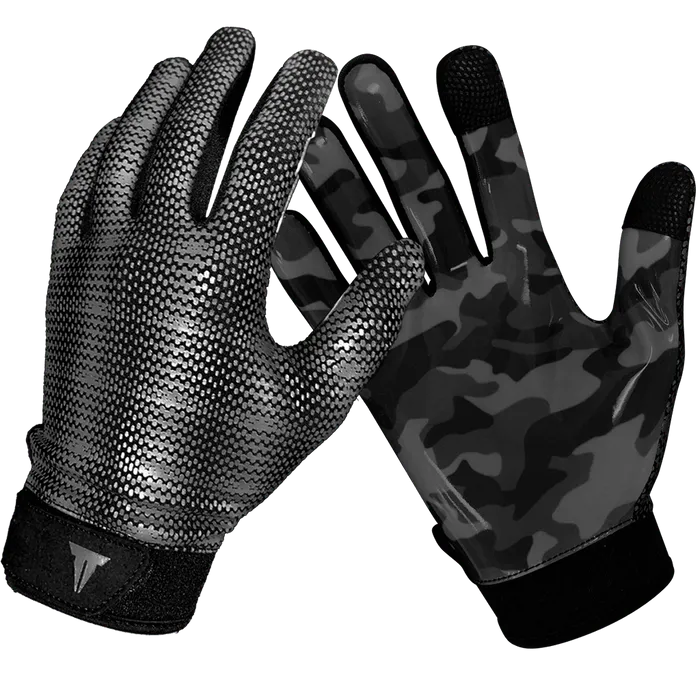
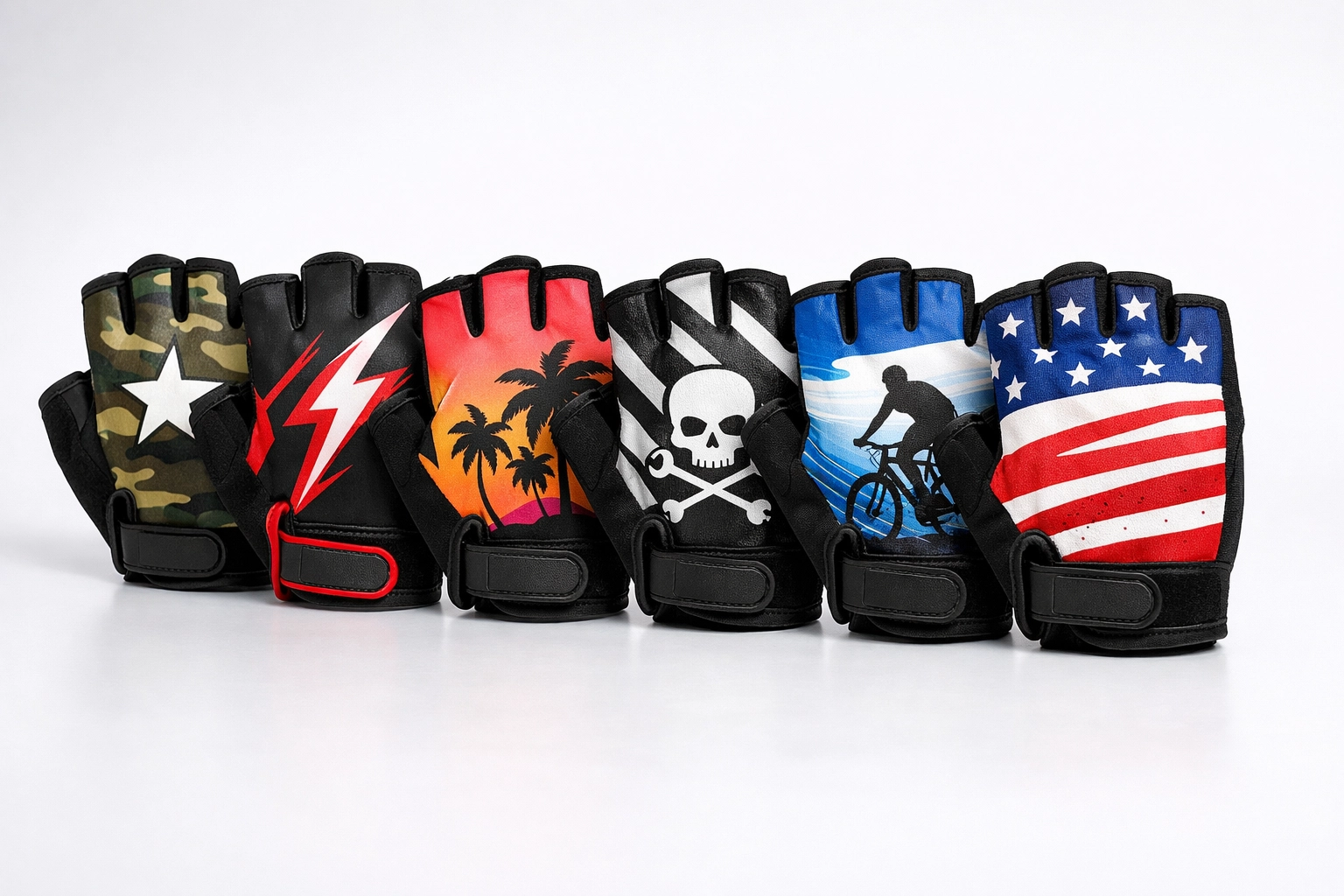
Custom sublimated gloves are designed for performance, branding, and comfort. Unlike traditional printing methods, sublimation integrates the design directly into the fabric, making it ideal for sports and high-usage gloves.
Brands choose sublimated gloves for cycling, gym training, fitness, and team sports because they offer long-lasting graphics without compromising flexibility or breathability.
2. Design Planning and Artwork Preparation
The manufacturing process begins with design planning. Brands provide logos, color schemes, and layout requirements. Designers convert this information into digital artwork optimized for sublimation.
At this stage, glove panels are mapped individually to ensure accurate placement of logos and patterns after stitching. This step is critical because sublimation printing occurs before glove assembly.
Design approval is finalized before moving to production to avoid errors and ensure consistency across bulk orders.
3. Fabric Selection for Sublimation
Fabric choice plays a major role in the success of sublimation printing. Polyester and high-polyester blends are most commonly used because sublimation ink bonds effectively with synthetic fibers.
For custom sublimated gloves, manufacturers select lightweight, breathable, and stretchable fabrics that enhance comfort and performance. Mesh fabrics are often used for ventilation, while microfiber is commonly used for palm areas.
4. Sublimation Printing Process
Once the fabric is selected, sublimation printing begins. The approved artwork is printed onto special sublimation paper using heat-transfer inks.
The printed paper is placed onto the fabric panels and subjected to high heat and pressure. During this process, the ink transforms into gas and permanently bonds with the fabric fibers.
This technique ensures that colors remain vibrant, lightweight, and resistant to fading, cracking, or peeling.
5. Fabric Cutting and Pattern Making
After printing, the fabric is allowed to cool before cutting. Manufacturers use precise cutting patterns to ensure consistency in glove sizing and shape.
Each glove component, including the back panel, palm panel, thumb, and finger sections, is cut separately. Accuracy during this stage ensures proper fit and comfort.
6. Stitching and Assembly
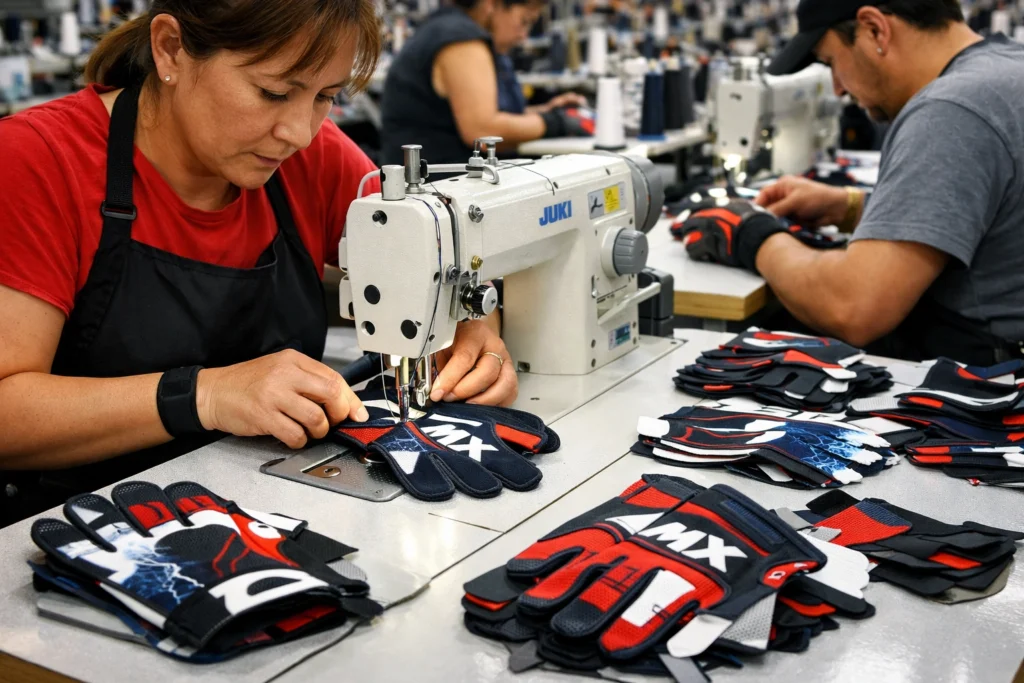
Stitching is one of the most critical stages in custom sublimated gloves manufacturing. Skilled workers assemble each glove using reinforced stitching techniques.
Flatlock stitching is commonly used to reduce friction and improve comfort. Elastic components, wrist closures, and finger openings are added during assembly.
High-quality stitching ensures durability, especially for gloves used in cycling and fitness activities.
7. Padding, Grip, and Functional Additions
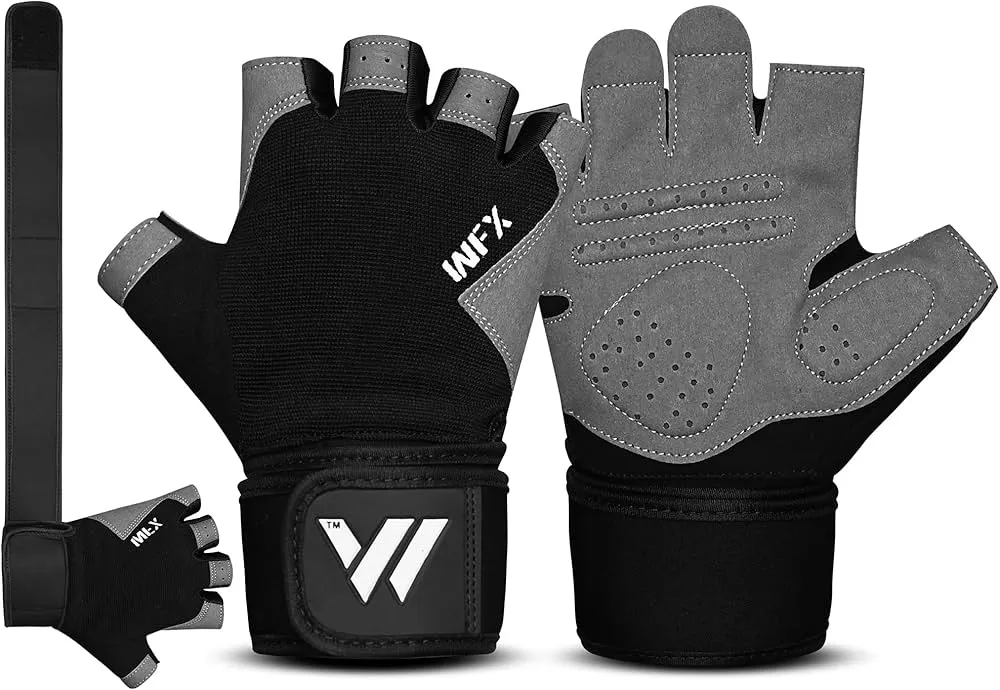
Depending on the glove type, additional features are incorporated. These may include gel or EVA padding for shock absorption, silicone grips for enhanced control, and adjustable wrist straps.
Palm grips are carefully aligned to ensure performance without restricting movement. These functional elements are tested for flexibility and comfort.
8. Quality Control and Inspection
Before packing, each batch of gloves undergoes quality control checks. Inspectors examine stitching strength, print alignment, color accuracy, and sizing.
Any defective pieces are removed to maintain consistency in bulk orders. This step is essential for private-label brands that rely on long-term customer trust.
9. Packing and Bulk Order Preparation
Once approved, gloves are packed according to buyer requirements. Options include individual polybags, branded packaging, or bulk cartons.
Manufacturers prepare export documentation and logistics support for international shipments. Proper packing ensures gloves arrive in perfect condition.
10. Frequently Asked Questions (FAQs)
What makes sublimated gloves different from printed gloves?
Sublimated gloves have designs bonded into the fabric, making them more durable and lightweight.
Can logos fade on sublimated gloves?
No, sublimation designs do not fade or peel under normal usage conditions.
Are sublimated gloves suitable for bulk orders?
Yes, sublimation is ideal for bulk and private-label glove production.
What fabrics work best for sublimation?
Polyester and synthetic blends work best for sublimation printing.
How long does manufacturing take?
Production time depends on order quantity, design complexity, and customization level.
For bulk orders, private-label production, or custom design support, contact us at:
Email: info@migloves.com