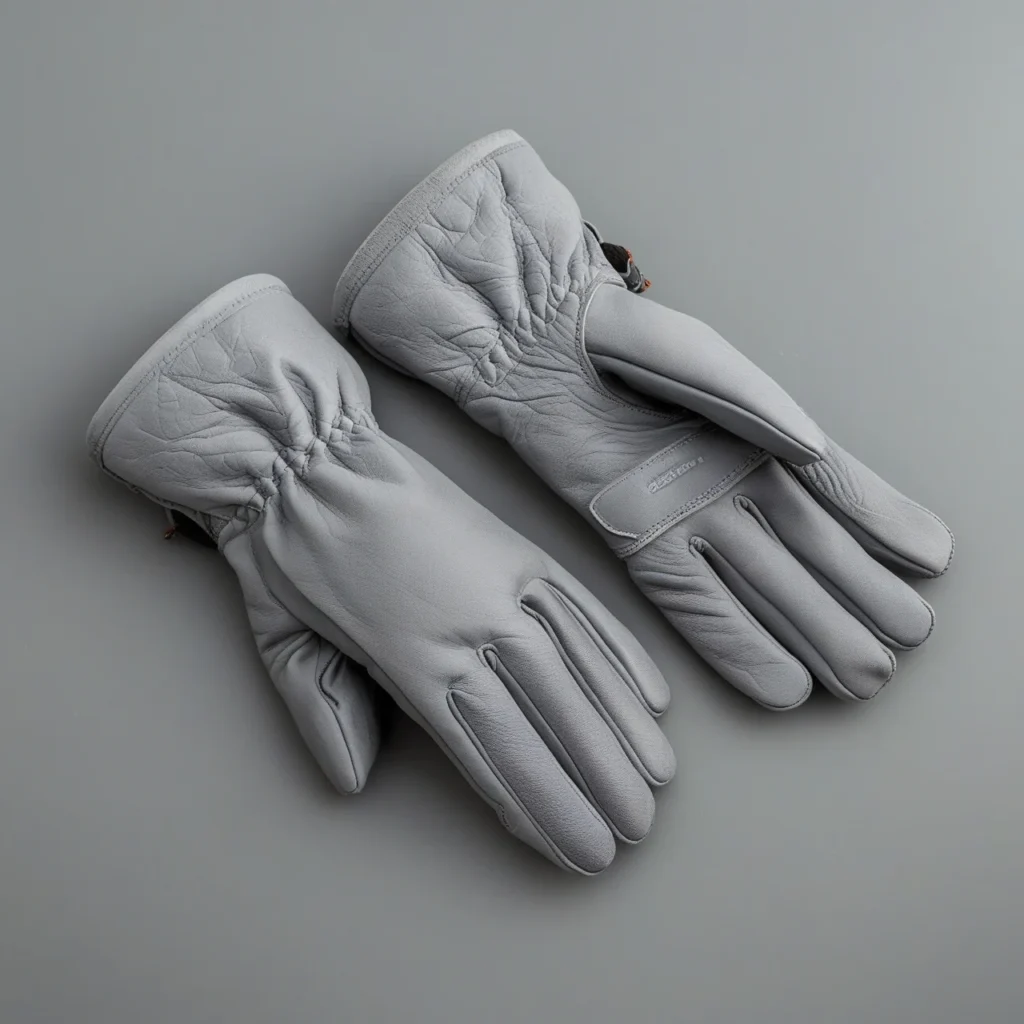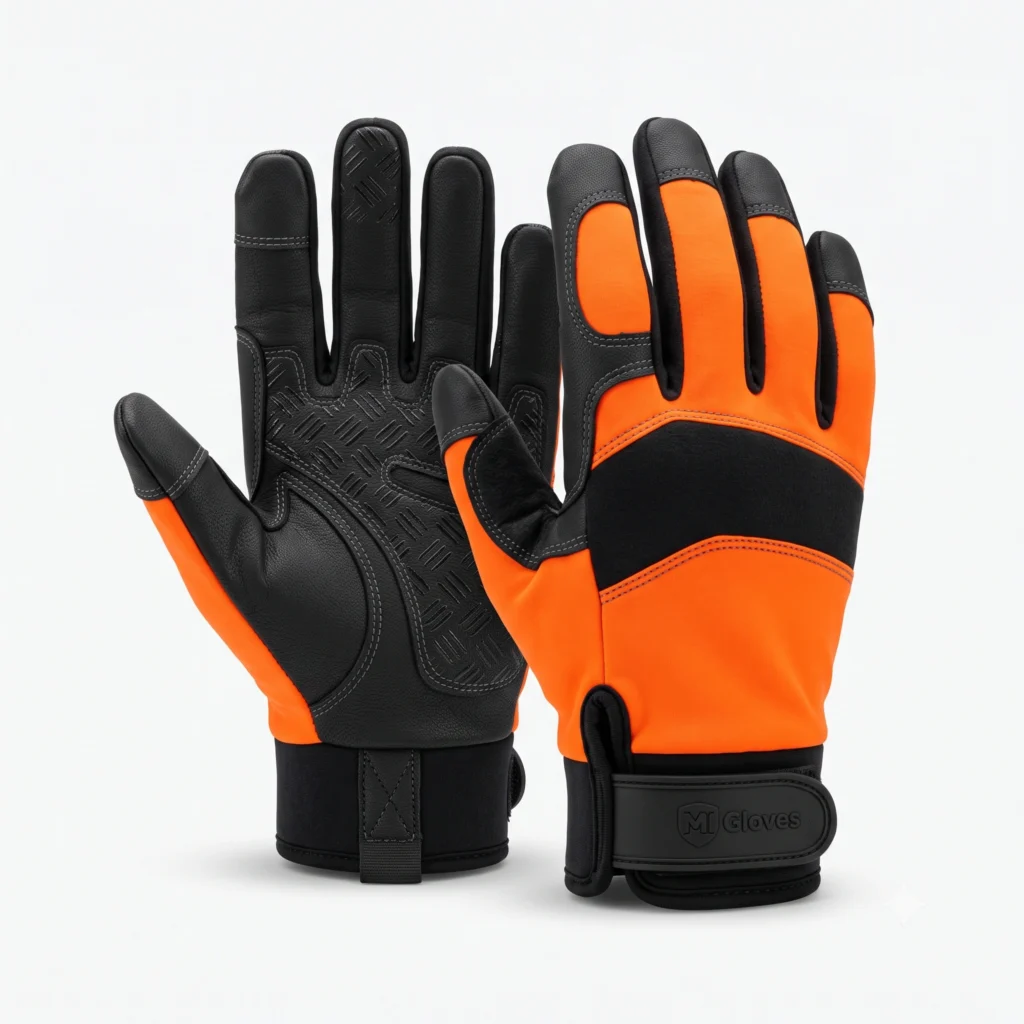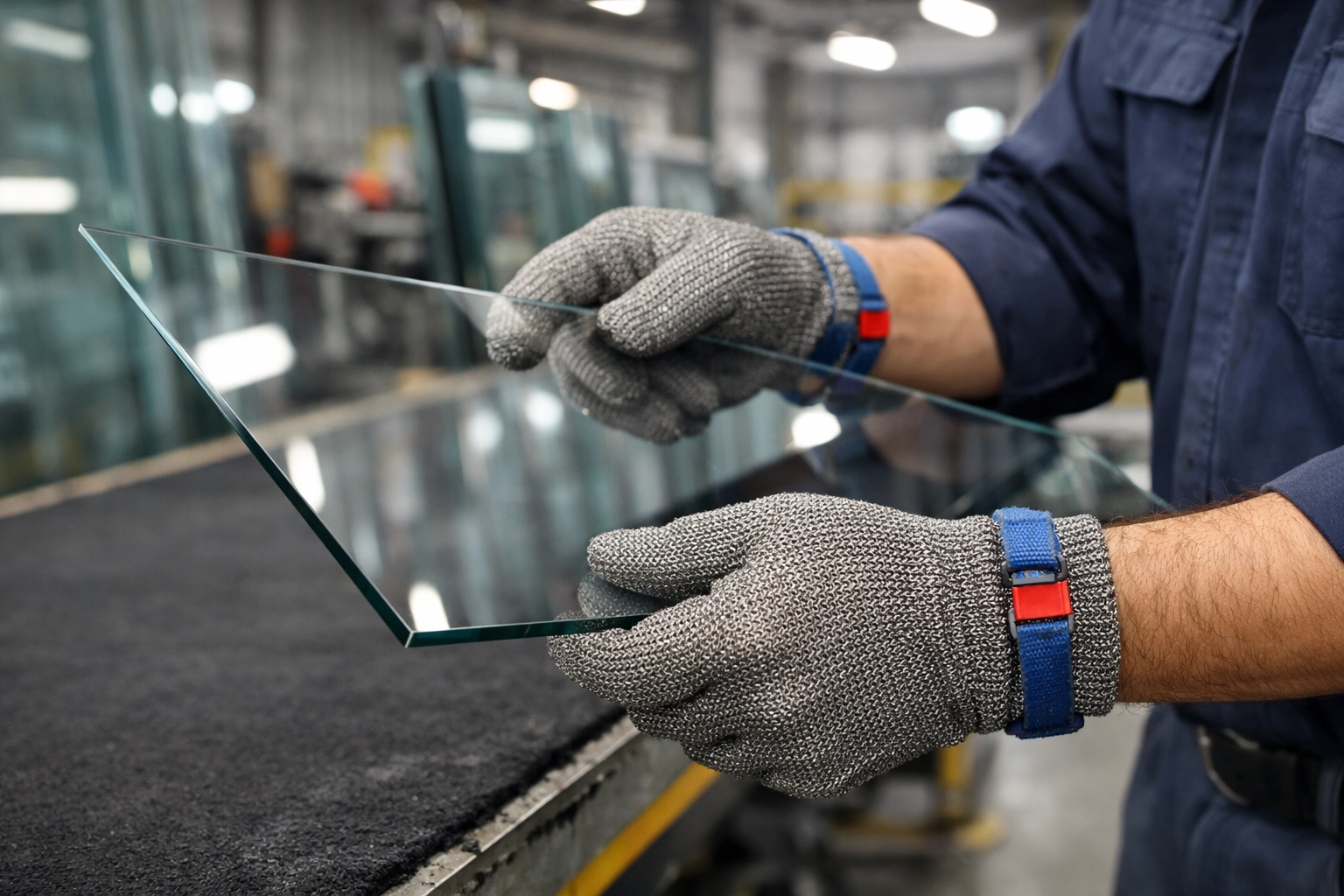
Cut resistant gloves are essential protective gear for workers in industries where sharp objects, tools, or machinery are involved. These gloves reduce the risk of cuts, lacerations, and injuries while maintaining dexterity. This guide explains how cut resistant gloves work, their materials, safety standards, and best practices for workplace use.
1. Introduction to Cut Resistant Gloves
Cut resistant gloves are designed to protect hands from sharp objects and reduce the risk of lacerations. They are commonly used in manufacturing, construction, food processing, and other industries where hand injuries are a hazard. Wearing proper cut resistant gloves is a key part of workplace safety programs and helps prevent accidents.
2. How Cut Resistant Gloves Protect Hands
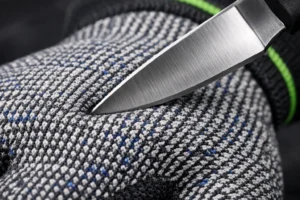
These gloves are made with materials that resist cutting, slicing, and puncture forces. The fibers and layers used in manufacturing absorb and distribute the impact, reducing the chance of injury. Cut resistant gloves are rated for different levels of protection based on the thickness and material used.
They allow workers to maintain dexterity while still providing a safety barrier between the hand and dangerous tools or materials.
3. Materials and Construction
- Kevlar: Strong synthetic fiber, excellent cut resistance.
- Dyneema / Ultra-high-molecular-weight polyethylene (UHMWPE): Lightweight, flexible, very strong.
- Steel or fiberglass cores: Often combined with fabrics for extreme protection.
- Nitrile, latex, or PU coatings: Improve grip and durability while maintaining cut resistance.
4. Industry Safety Standards
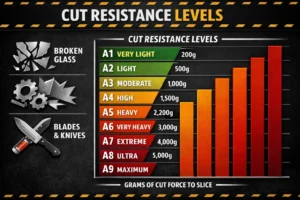
Cut resistant gloves are tested according to international standards such as EN 388 (Europe) and ANSI/ISEA 105 (USA). These standards provide ratings for cut resistance, abrasion, puncture, and impact protection. Selecting gloves that meet the required standard is critical for workplace compliance and employee safety.
5. Applications and Workplace Uses
- Construction: Handling sheet metal, glass, or sharp tools.
- Manufacturing: Machine operators, metal fabrication, and assembly work.
- Food processing: Slicing and cutting operations in commercial kitchens.
- Gardening and landscaping: Using blades, shears, and pruning tools.
- Logistics & warehousing: Handling sharp-edged packaging and materials.
6. Tips for Choosing the Right Cut Resistant Gloves
- Check the protection level according to EN 388 or ANSI/ISEA 105 standards.
- Consider the material, flexibility, and grip required for your tasks.
- Choose gloves appropriate for wet or oily conditions if needed.
- Ensure correct sizing to maintain dexterity and comfort.
- Inspect gloves regularly and replace when worn or damaged.
7. Frequently Asked Questions (FAQs)
Are cut resistant gloves completely cut-proof?
No glove is entirely cut-proof. They reduce the risk of injury but proper handling and care are still necessary.
Can cut resistant gloves be used for all types of tools?
They are suitable for many sharp objects, but extremely sharp or high-impact tools may require specialized gloves.
How do I know which cut level is right?
Refer to EN 388 or ANSI/ISEA 105 ratings and match them to the type of hazard in your workplace.
Can cut resistant gloves be washed?
Most can be hand washed or machine washed gently. Follow manufacturer care instructions to maintain protection.
Are coated gloves better than uncoated gloves?
Coated gloves provide better grip and durability but may reduce breathability slightly. Choice depends on the task.
8. Related Articles & Internal Links
For bulk orders or consultation on cut resistant gloves, contact us at
info@migloves.com.