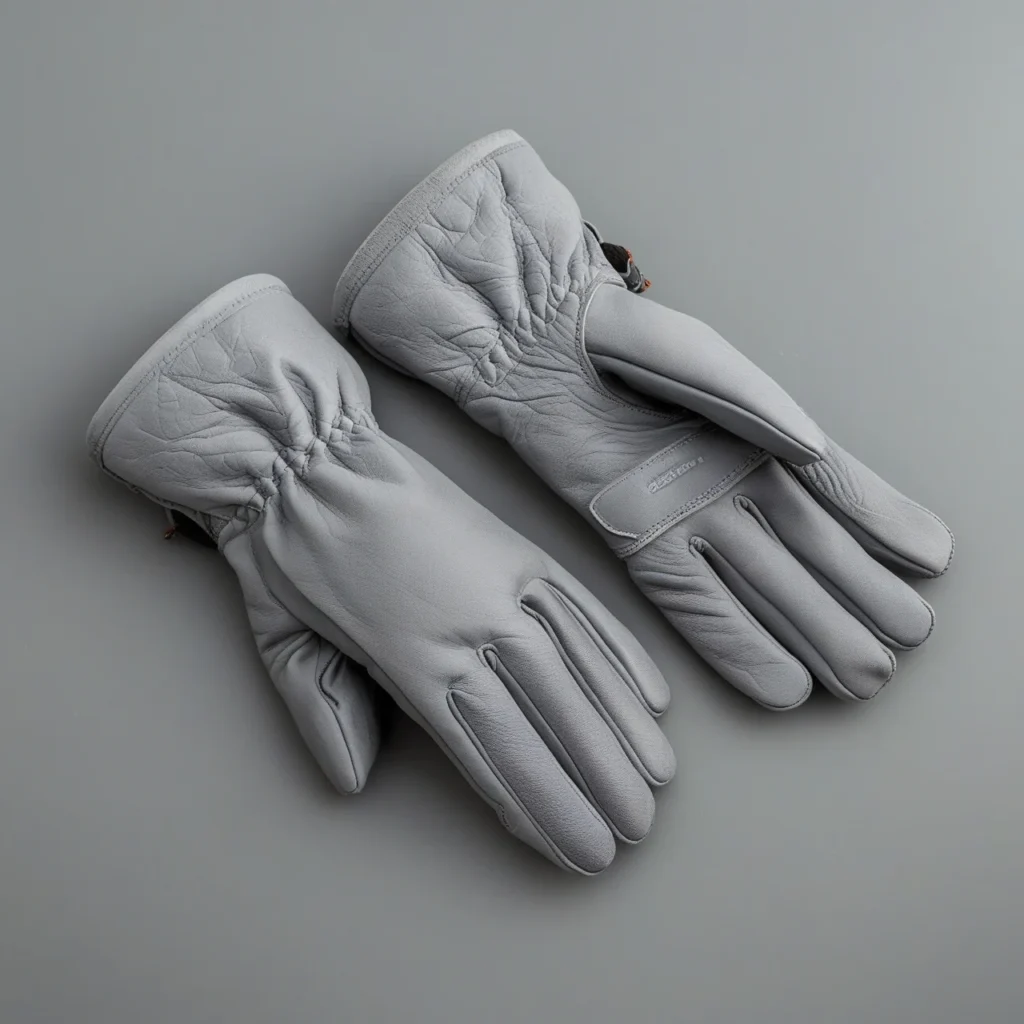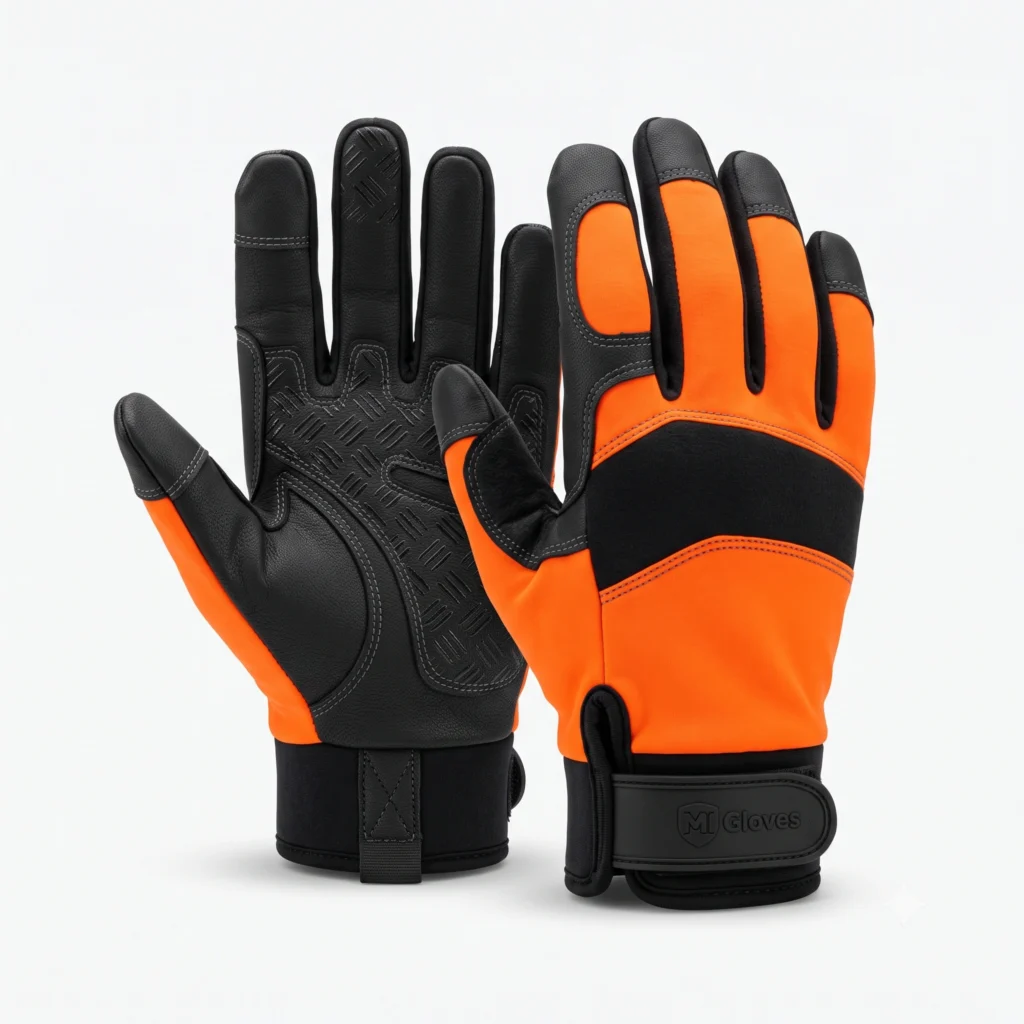

Emergency Medical Technicians (EMTs) rely on proper uniforms and protective gear to ensure safety, comfort, and professionalism while responding to emergencies. Gloves are a critical component of EMT uniforms, providing protection against contaminants, bloodborne pathogens, and environmental hazards. This guide covers glove types, protective equipment, material considerations, and best practices for EMT uniforms.
1. Introduction to EMT Uniforms and Gloves
EMT uniforms are designed for safety, functionality, and identification. Gloves are a core part of personal protective equipment (PPE) for EMTs. They protect against bloodborne pathogens, chemical exposure, and other contaminants. Uniforms also include high-visibility clothing, durable footwear, and additional protective gear to ensure EMTs can safely perform their duties in diverse environments.
2. Types of Gloves for EMTs
Different glove types are used by EMTs depending on the task and level of protection required:
- Nitrile Gloves: Highly resistant to punctures and chemicals, ideal for patient contact and hazardous environments.
- Latex Gloves: Provide excellent elasticity and comfort, though allergy concerns must be considered.
- Vinyl Gloves: Suitable for low-risk tasks; more affordable but less durable.
- Specialty Gloves: Cut-resistant or heat-resistant gloves may be required for specific emergency situations.
3. Protective Gear Beyond Gloves
EMT uniforms also include other protective equipment to ensure full safety:
- High-Visibility Jackets: Enhance visibility during roadside emergencies.
- Protective Eyewear: Shields eyes from splashes, debris, or infectious fluids.
- Face Masks or Respirators: Prevent inhalation of pathogens and chemicals.
- Helmets and Foot Protection: Essential in hazardous rescue scenarios or patient extrication.
4. Material Selection and Standards
Selecting the right materials is critical for protection and comfort:
- Gloves: Nitrile or latex for high-risk tasks, vinyl for general patient handling. ASTM and FDA standards often apply.
- Uniform Fabric: Durable polyester blends for flexibility, moisture-wicking properties, and durability in field conditions.
- Protective Jackets: Flame-resistant or water-resistant fabrics for extreme conditions.
5. Glove Usage and Safety Protocols
Proper usage ensures maximum protection and compliance:
- Always wear gloves before contact with bodily fluids or potentially contaminated surfaces.
- Change gloves between patients to prevent cross-contamination.
- Inspect gloves for tears, punctures, or defects before use.
- Properly dispose of gloves in biohazard containers after use.
- Follow local and national EMS regulations for PPE and glove protocols.
6. Maintenance and Care for Gloves
Even disposable gloves require proper storage and handling, and reusable gloves need proper maintenance:
- Store gloves in a cool, dry place to prevent degradation.
- Do not expose gloves to direct sunlight or harsh chemicals.
- For reusable gloves, clean according to manufacturer instructions, inspect regularly, and replace when worn or damaged.
7. Common Mistakes to Avoid
- Using damaged or expired gloves.
- Failing to change gloves between patient contacts.
- Wearing the wrong glove type for high-risk exposure.
- Ignoring glove fit, leading to reduced dexterity and increased risk of tearing.
8. Frequently Asked Questions (FAQs)
What type of gloves are mandatory for EMTs?
Nitrile or latex gloves are generally mandatory, depending on local regulations and patient contact risk.
Can EMTs reuse gloves?
No, disposable gloves must be discarded after each patient to prevent cross-contamination.
Are vinyl gloves acceptable for all tasks?
Vinyl gloves are suitable for low-risk tasks but not recommended for high-risk exposure to blood or chemicals.
How should gloves be stored in ambulances?
Store in a cool, dry area, away from direct sunlight, chemicals, or sharp objects that can puncture the gloves.
Do EMT gloves have size standards?
Yes, gloves must fit snugly to maintain dexterity. Most manufacturers provide sizing charts for proper selection.
9. Related Articles & Internal Links
- Uniforms EMT: Complete Guide to EMS Uniforms and Accessories
- Uniform Gloves: How to Choose the Correct Size and Fit
- What Are Cut Resistant Gloves and Their Uses?
For bulk orders or consultation on EMT gloves and protective gear, contact us at
info@migloves.com.