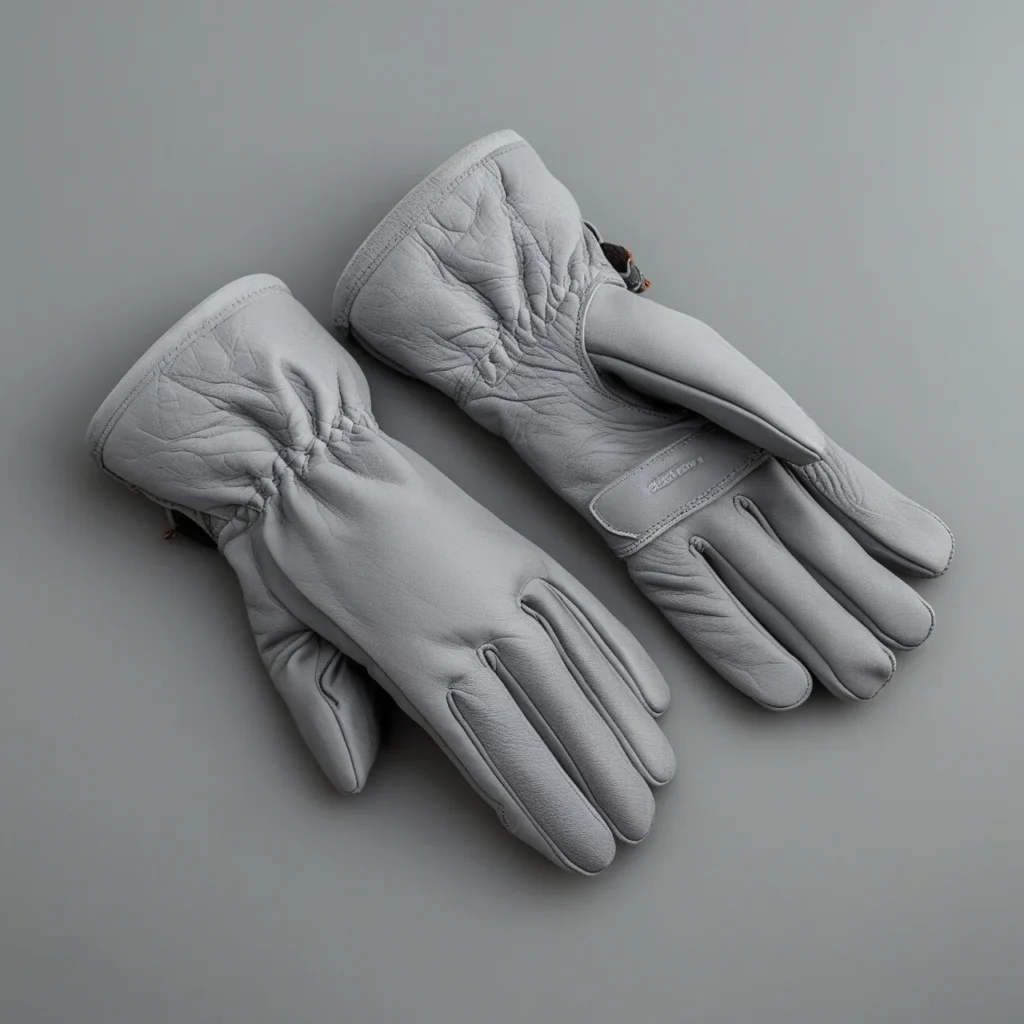
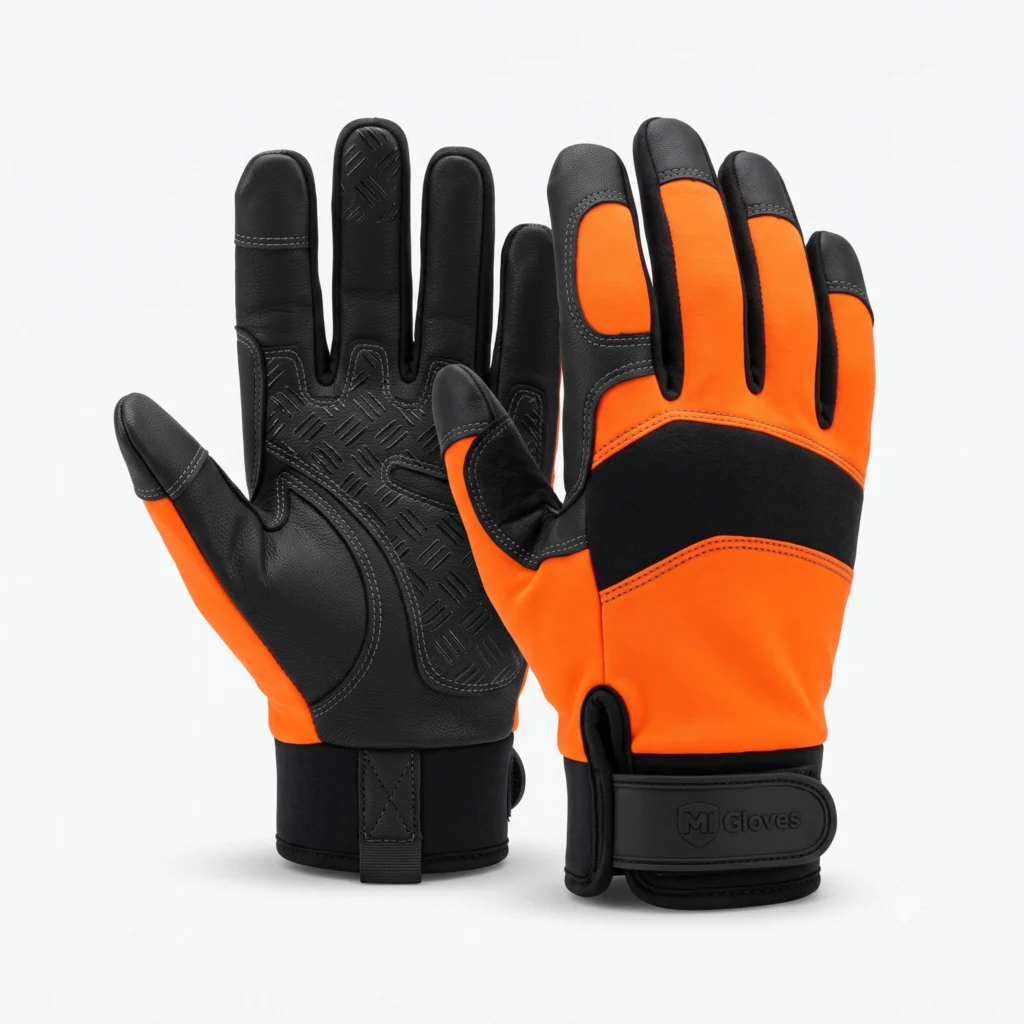
Grain Leather Work Gloves Wholesale: Material Selection & Assembly Durability
Procuring premium handwear from an established grain leather work gloves wholesale manufacturer is an indispensable strategy for industrial PPE distributors, construction suppliers, hardware wholesalers, and automotive assembly facilities. When industrial tasks demand high tactile precision alongside dependable mechanical abrasion resistance, standard split leather or bulky synthetic gloves compromise worker productivity. Premium grain leather—derived from the smooth, outermost layer of animal hides—provides an unbeatable combination of natural suppleness, high tensile grain density, puncture defense, and prolonged ergonomic comfort. Sourcing directly from an integrated leather tanning and stitching facility in Sialkot, Pakistan enables international commercial buyers to secure premium cowhide and goatskin driver gloves at competitive factory-direct pricing.
Anatomy of Leather: Full-Grain vs. Top-Grain vs. Split Cowhide
Understanding leather cross-sectional morphology is essential for commercial procurement managers evaluating glove durability and cost-to-performance ratios:
- Full-Grain Leather: The unbuffed exterior surface of the hide containing the natural, tightly packed epidermal grain layer. Full-grain leather exhibits the highest fiber density, maximum natural water repellency, and superior puncture resistance. It develops a natural patina over time without fraying or stretching out of shape.
- Top-Grain Leather: The outer grain layer lightly buffed and sanded to remove minor surface imperfections, yielding an extraordinarily smooth, uniform finish with consistent thickness. It offers exceptional flexibility and refined aesthetic appeal for precision assembly and executive driver gloves.
- Split Leather (Suede): The lower, fibrous corium layer separated from the grain during hide splitting. While split leather is highly heat-resistant and cost-effective for heavy welding and rough rigging, its looser fiber structure absorbs oils quickly and lacks the smooth tactile sensitivity of true grain leather.

Leather Species Comparison: Goatskin, Cowhide, Pigskin, and Sheepskin
Different animal hides possess unique biological grain structures that dictate their suitability across specific industrial applications:
| Leather Species | Tensile Strength & Grain Structure | Tactile Dexterity | Abrasion & Puncture Defense | Moisture & Oil Behavior | Ideal Industrial Application |
|---|---|---|---|---|---|
| Premium Goatskin | High lanolin content; interlocking micro-fiber grain matrix | Highest (Supple “second-skin” tactile feel) | Exceptional puncture resistance relative to thickness (0.8–1.0 mm) | High natural water repellency; remains supple after wetting | Precision mechanical assembly, TIG welding, wiring, utility maintenance |
| Select Grain Cowhide | Dense, heavy structural fibers; high tensile modulus | Moderate to High (Requires brief break-in period) | Maximum abrasion and heavy tear resistance (1.0–1.2 mm) | Dries stiff if untreated; requires water-repellent tanning finishes | Heavy construction, equipment operation, freight handling, truck driving |
| Grain Pigskin | Porous grain structure with visible three-hair follicle clusters | Moderate; soft and pliable | Good abrasion resistance; moderate puncture resistance | Outstanding breathability; dries completely soft after repeated water saturation | Wet environment labor, agricultural operations, cold storage handling |
| Grain Sheepskin | Loose, delicate dermal fiber network | Exceptional softness and tactile touch | Low abrasion resistance; susceptible to tearing under heavy loads | Absorbs moisture readily; requires delicate handling | Fine instrument calibration, luxury dress drivers, inspection handwear |
Ergonomic Driver Glove Patterns and Construction Engineering
A superior industrial work glove relies on proven ergonomic pattern engineering to eliminate seam irritation and hand fatigue over long 8-to-10-hour shifts:
- The Keystone Thumb: Considered the gold standard in driver glove construction, the keystone thumb is an independently sewn ergonomic insert that mirrors the natural upward, inward resting angle of the human thumb. This design maximizes grip dexterity while eliminating seam stress across the palm.
- The Gunn Cut Pattern: Seamless across the palm face, gunn cut patterning positions primary structural seams on the back of the hand and between fourchettes, preventing premature seam wear when handling steering wheels, heavy pipe, or power tools.
- Elastic Shirred Back: A concealed elastic gathering across the back of the wrist holds the glove securely to the hand, preventing slippage while preventing dust and metal shavings from entering.
- Rolled Hem & Color-Coded Polyester Binding: Finished rolled cuffs with color-coded hem binding allow warehouse supervisors and safety managers to verify sizing at a glance across busy shop floors.

OEM Private Label Customization and Direct Sourcing from Pakistan
Mi-Gloves provides comprehensive private-label OEM manufacturing for commercial PPE brands and industrial importers worldwide:
- Custom Hide Tanning & Thickness Calibration: We custom-mill hides to exact buyer tolerances (e.g., 0.8–0.9 mm for precision assembly, 1.1–1.3 mm for heavy drivers) with oil-resistant or water-repellent drum-dyed finishes.
- Brand Identification: Precision laser etching, heat-debossed leather logos, or woven brand label insertions on cuff hems.
- Lining Configurations: Available unlined for maximum summer breathability, or lined with 100 GSM 3M Thinsulate™ or soft polar fleece for sub-zero winter utility work.
- Retail-Ready Packaging: Pre-applied barcode hangtags, individual master polybags, and heavy-duty export shipping cartons.
Compare grain leather against synthetic options in our leather safety gloves vs synthetic guide, learn why global buyers source safety gloves from Pakistan, review our industrial safety glove manufacturing capabilities, and consult our custom work glove manufacturing specialists.
Frequently Asked Questions (FAQs)
Why is goatskin grain leather preferred over cowhide for precision assembly gloves?
Goatskin possesses high natural lanolin levels and a tightly intertwined dermal fiber structure. This allows tanneries to produce ultra-thin leather (0.8 mm) that delivers remarkable tensile strength and puncture resistance while providing the finger dexterity necessary for handling small fasteners and wiring.
What is the difference between a keystone thumb and a straight thumb on a driver glove?
A keystone thumb is an independently cut, ergonomically angled insert that mimics the thumb’s natural resting curve, providing superior comfort and seam longevity. A straight thumb extends directly along the palm seam, which is more economical to cut but can cause seam tension and hand fatigue during continuous gripping.
Can grain leather work gloves be treated for water and oil resistance?
Yes. During drum tanning, specialized fluorochemical and hydrophobic silicone polymers can be impregnated into the leather fibers, delivering permanent water and oil repellency without compromising breathability or suppleness.
What is your minimum order quantity for wholesale grain leather gloves?
Our standard export minimum order quantity starts at 500 pairs per style. We offer custom size distribution pre-packs (e.g., S through 3XL) tailored to your warehouse distribution requirements.
How do you ensure consistent leather thickness across bulk production orders?
All tanned hides undergo mechanical splitting and computerized electronic gauge thickness calibration before die-cutting. This guarantees consistent millimeter tolerances across every pair in mass production.
What certifications and export standards apply to your leather gloves?
Our leather work gloves comply with EN ISO 21420 general requirements and EN 388 mechanical risk standards (evaluating abrasion, blade cut, tear, and puncture resistance). We supply complete technical datasheets and CE documentation for European importers.