Fingerless vs Full-Finger Gym Gloves: Commercial Sourcing and Manufacturing Guide
When curating strength training and functional fitness accessory lines, sporting goods brands, fitness retail chains, and commercial gym distributors face an essential product categorization choice: fingerless (half-finger) versus full-finger workout gloves. Both silhouettes serve distinct biomechanical functions and athlete demographics. Understanding the material engineering, sensory feedback dynamics, and retail demand drivers of each design allows procurement officers and private-label brand managers to optimize their SKU assortments. As an established OEM fitness handwear manufacturer in Sialkot, Pakistan, Mi-Gloves produces certified, high-performance lifting gloves engineered for global wholesale markets.
Biomechanical Comparison: Tactile Bar Feel vs Comprehensive Hand Defense
The primary architectural distinction between fingerless and full-finger gym handwear lies in tactile extremity contact versus total skin barrier protection:
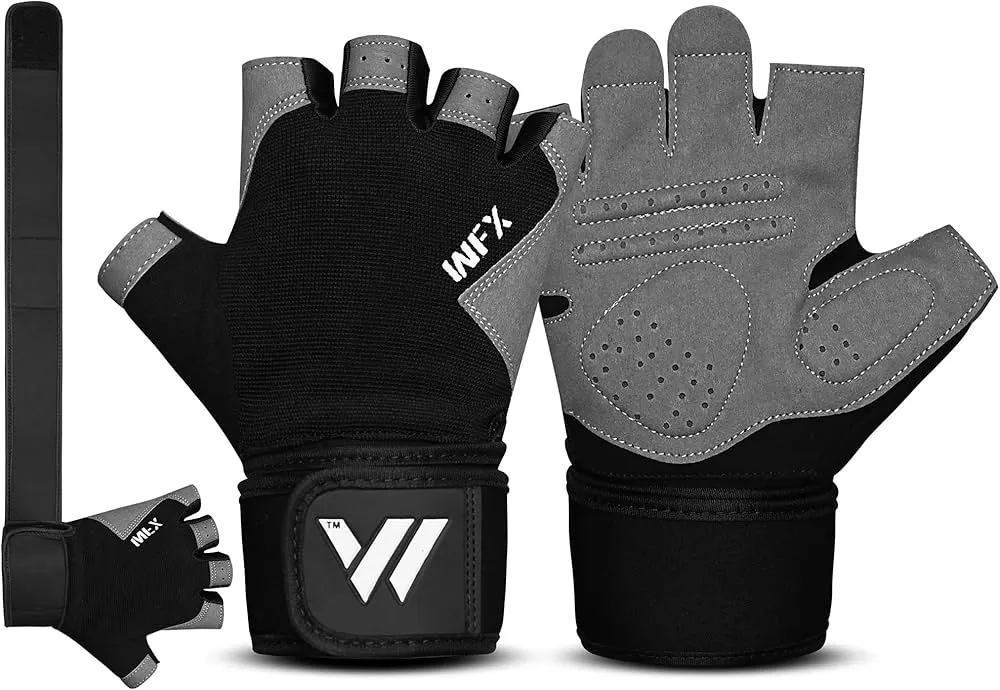
- Fingerless (Half-Finger) Gloves: By terminating at the proximal interphalangeal (PIP) joint, fingerless gloves preserve direct bare-skin friction between distal fingertips and knurled barbells. This direct contact delivers unhindered tactile feedback and sensory proprioception, vital during Olympic weightlifting, deadlifts, and high-frequency pull-ups. Furthermore, exposed fingertips allow effortless heat dissipation, sweat evaporation, and seamless operation of smartphones or gym console screens without capacitive touch fabrics.
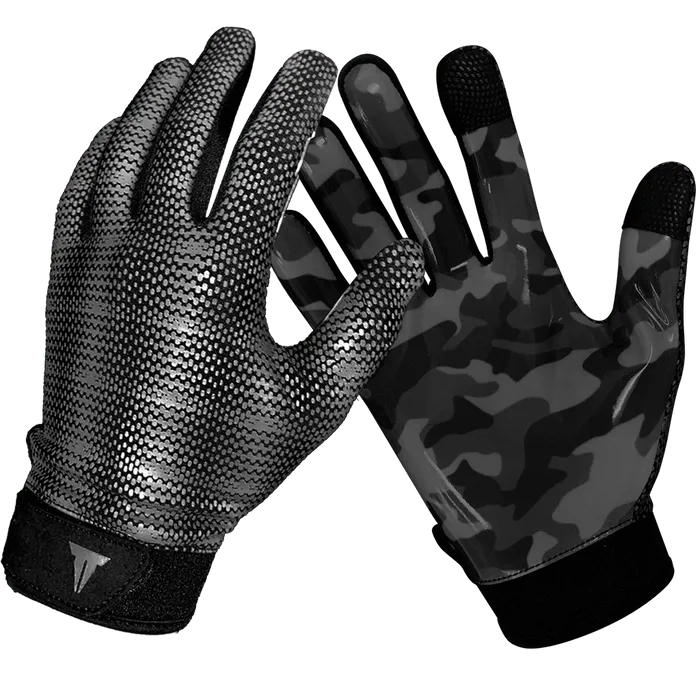
- Full-Finger Gym Gloves: Extending to the fingertips, full-finger designs encapsulate the entire hand in high-tenacity microfiber suede, silicone grip grids, and breathable four-way stretch meshes. This complete enclosure shields the fingers from abrasive friction on rough pull-up rigs, outdoor kettlebell coatings, and heavy climbing ropes. In cross-training, obstacle course racing (OCR), and cold-weather strength sessions, full-finger handwear eliminates fingertip skin tearing, blister formation, and environmental exposure.
Technical Engineering and Specification Benchmarks
| Technical Metric | Fingerless Lifting Gloves | Full-Finger Training Gloves |
|---|---|---|
| Palm Shell Material | 0.7–0.9 mm Amara Suede / Perforated Clarino | 0.8–1.0 mm Reinforced Clarino with Silicone Grip |
| Thermal Breathability | Superior (Open finger venting & micro-mesh dorsal) | High (Perforated fourchettes & moisture-wicking Lycra) |
| Tactile Proprioception | Maximum (Direct fingertip-to-bar contact) | Moderate (Dampened by conductive/suede tip layers) |
| Friction Abrasion Shield | Metacarpal and palmar coverage only | Complete distal phalanx, knuckle, and dorsal protection |
| Touchscreen Capability | Inherent via bare exposed fingertips | Conductive microfiber patches on index finger and thumb |
| Primary Target Market | Bodybuilding, commercial gyms, free-weight circuits | CrossFit boxes, tactical fitness, outdoor bootcamps |
| Factory MOQ & Assortment | 500 Pairs per style (Unisex XS to 2XL) | 500 Pairs per style (Men/Women anatomical runs) |
Dorsal Ventilation and Fabric Engineering
Thermal regulation is critical for athlete comfort during high-intensity training. Fingerless models capitalize on open distal conduits, but both glove types require advanced dorsal fabrics. We engineer back-of-hand panels using 4-way stretch polyester elastane (88/12 blend) or open-cell 3D air mesh. For full-finger training gloves, we integrate laser-cut ventilation ports along the interdigital fourchettes and knuckles, preventing sweat pooling and skin maceration during high-volume CrossFit WODs. Terry cloth thumb panels are integrated across both styles, allowing lifters to wipe perspiration from their brow during intense sets.
Commercial SKU Assortment Strategy for Retail Brands
For sporting goods retailers and fitness eCommerce storefronts, offering a balanced product matrix maximizes conversion. Fingerless gloves typically account for 65% to 75% of unit sales in standard commercial gym channels due to their universal comfort and low price sensitivity. Conversely, full-finger gloves command higher retail price points and deliver superior profit margins among specialized functional fitness enthusiasts, calisthenics practitioners, and seasonal winter gym-goers. We recommend a 70/30 inventory ratio for mass-market fitness lines, adjusting toward 50/50 for brands specializing in tactical training or outdoor fitness gear.
Custom OEM Manufacturing and Private-Label Solutions
Mi-Gloves delivers complete end-to-end contract manufacturing for international fitness brands:
- Custom tool stamping for segmented EVA foam or liquid silicone gel palm padding.
- High-definition silicone traction grids printed directly across wear points.
- Private-label rubberized TPR hook-and-loop pull tabs and embossed wrist straps.
- Custom retail packaging including recycled cardboard header cards, euro-hangers, and pre-applied UPC barcodes.
Explore our full range of custom fitness glove manufacturing, partner with a verified wholesale glove manufacturer, and review our dedicated guide on gym gloves with wrist support.
Frequently Asked Questions (FAQs)
Which style is more popular for commercial fitness retail: fingerless or full-finger?
Fingerless gloves remain the top seller by volume, representing approximately 70% of standard gym handwear purchases. However, full-finger models are experiencing rapid growth in CrossFit, functional fitness, and cold-weather training markets.
Can full-finger gym gloves operate smartphone touchscreens?
Yes. Our full-finger gym handwear features conductive microfiber patches on the thumb and index fingertips, allowing smooth operation of capacitive smartphones, tablets, and smart workout equipment screens without removing the gloves.
How do fingertip pull tabs improve fingerless glove performance?
Removing sweaty fingerless gloves can be difficult post-workout. We integrate quick-release finger pull tabs and inverted middle-finger webbing loops, enabling lifters to strip gloves off effortlessly without tearing edge seams.
What synthetic leather offers the best balance of grip and longevity?
Amara and Clarino synthetic microfibers provide the ideal balance. They maintain high tensile strength, resist stiffening from perspiration salts, and remain fully machine washable across dozens of rigorous workout cycles.
What is your minimum order quantity for private-label gym handwear?
Our standard production MOQ is 500 pairs per style and colorway. We support flexible size distributions from Unisex XS through 2XL to accommodate your demographic distribution requirements.
What lead times should wholesale buyers anticipate for mass production?
Standard manufacturing spans 30 to 40 business days following tech pack approval and counter-sample sign-off, with express sample turnaround available within 7 to 10 business days.