CrossFit gloves in 2026 are built for extreme durability, versatility, and hand protection. With rope climbs, ring muscle-ups, and barbell lifts in the same workout, athletes need gloves that offer grip, wrist support, and comfort. This guide covers features, types, and buying tips for CrossFit gloves.
1. What Makes CrossFit Gloves Different
CrossFit workouts involve multiple movements in a single session — pull-ups, rope climbs, barbell lifts, kettlebell swings, and ring exercises. Each activity places unique demands on the hands.
High-quality CrossFit gloves must prevent rips, handle sweat, provide stable grip, and allow flexibility for gymnastics movements. Unlike standard gym gloves, CrossFit gloves are engineered for extreme durability and multi-movement versatility.
2. Essential Features of CrossFit Gloves
Key features every CrossFit glove should have:
- Tear Resistance: Reinforced palm patches withstand friction from bars and ropes.
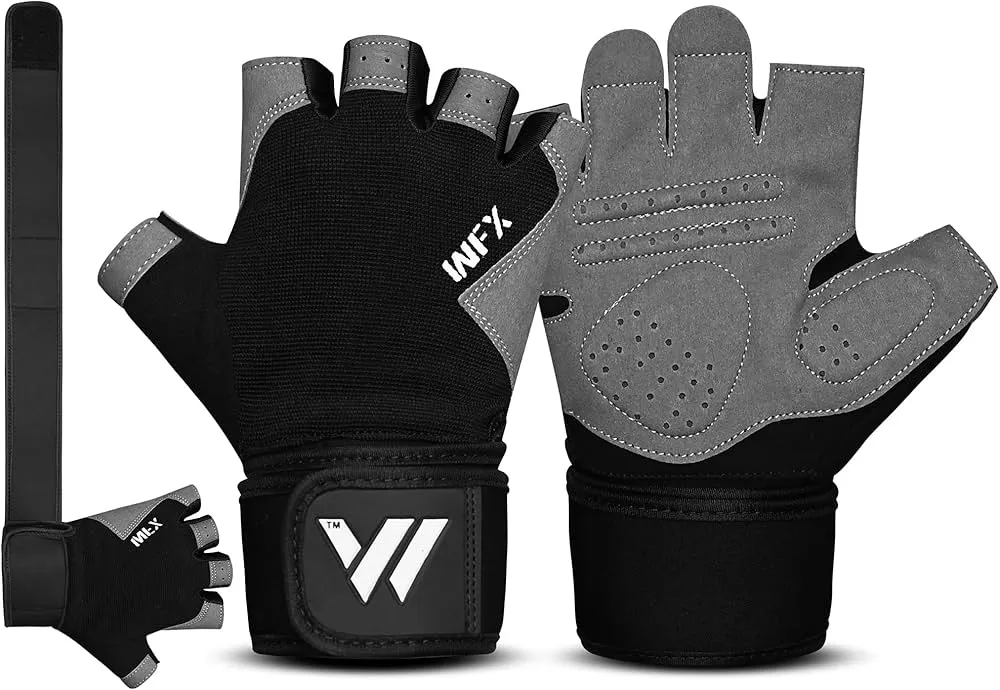
- Wrist Support: Integrated Velcro wrist wraps (6–12 inches) stabilize joints during lifts.
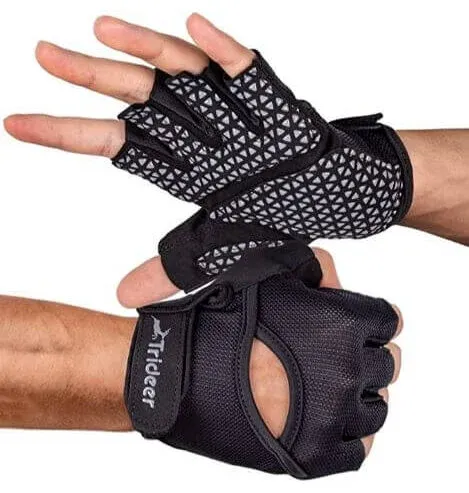
- Ventilation: Perforated or mesh panels prevent overheating.
- Perfect Fit: Gloves must fit snugly to avoid slipping during high-intensity movements.
3. Best Materials for CrossFit Training
Durable, flexible, and sweat-resistant materials make the difference:
- Genuine Leather: Excellent durability and natural grip texture.
- Synthetic Leather: Cost-effective yet tear-resistant alternative.
- Kevlar Reinforcement: Ultra-premium tear-resistant option.
- Neoprene: Comfortable wrist straps with flexible support.
- Spandex/Lycra: Provides breathability and flexibility on the glove back.
- Anti-microbial Lining: Reduces odor during intense workouts.
4. Top Glove Types for CrossFit Athletes
- Gymnastics Grips: Palm-only protection, ideal for bar and ring movements.
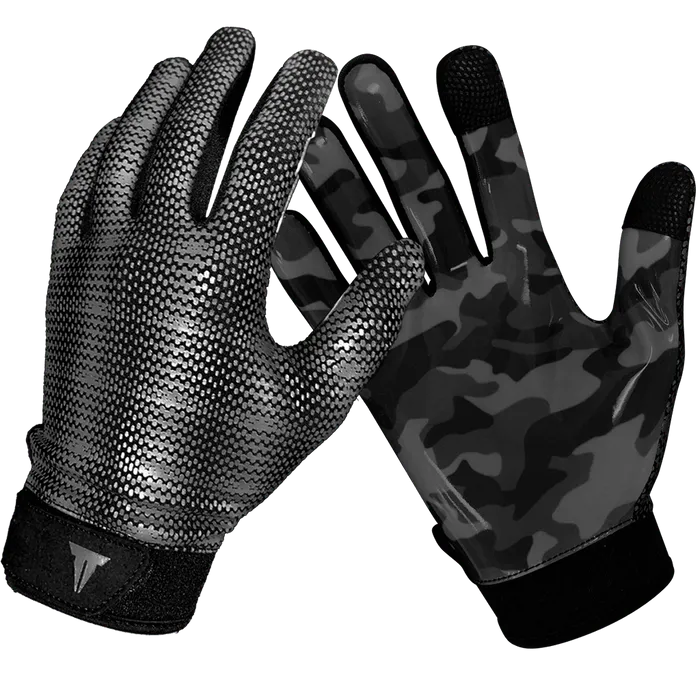
- Full Finger Gloves: Extra protection for rope climbs and rough surfaces.
- Half-Finger Gloves: Versatile option for barbell and bodyweight movements.
- Wrist Wrap Gloves: Long wrist straps preferred by Olympic lifting-focused athletes.
5. Grip and Protection for Specific Movements
- Pull-Ups/Bar Muscle-Ups: Reduce friction while maintaining secure grip.
- Rope Climbs: Textured or sticky palm material to prevent slipping.
- Kettlebell Swings: Moderate padding absorbs impact without bulk.
- Olympic Lifts: Thin gloves or gymnastics grips for bar path feel; wrist support is key.
- Ring Exercises: Lightweight gloves that maintain tactile feedback.
6. Wholesale Buying Guide for CrossFit Gloves
CrossFit boxes and gyms are a strong market for wholesale gloves. Tips for bulk buyers:
- Offer gender-specific and unisex sizing for maximum coverage.
- Test durability with 20–30 simulated rope climbs/pull-ups.
- Provide custom branding (logo, colors, wrist strap text).
- Stock multiple glove types for versatile workouts.
7. Frequently Asked Questions (FAQs)
Do CrossFit athletes need gloves?
Many athletes use gloves for rope climbs, pull-ups, and barbell exercises, while some prefer chalk and bare hands.
Which is better for CrossFit — grips or gloves?
Gymnastics grips are preferred for bars and rings; full gloves are better for rope climbs and barbell work. Many athletes use both.
Can regular gym gloves be used for CrossFit?
They may work for some exercises but often lack tear resistance and versatility required for full WODs.
How often should CrossFit gloves be replaced?
Due to high intensity, most athletes replace gloves every 3–6 months.
Are custom CrossFit gloves available for gyms?
Yes, manufacturers offer gloves with branded logos, colors, and personalized wrist straps.
8. Related Articles & Internal Links
- Fingerless vs Full Finger Gym Gloves: Which Is Right for You?
- Gym Gloves with Wrist Support: The Complete 2026 Guide
- Custom Gym Gloves Manufacturer: How to Order in Bulk
- Best Gym Gloves for Women 2026: Style, Support & Performance
For bulk orders, custom manufacturing, or wholesale inquiries, contact us at
info@migloves.com.