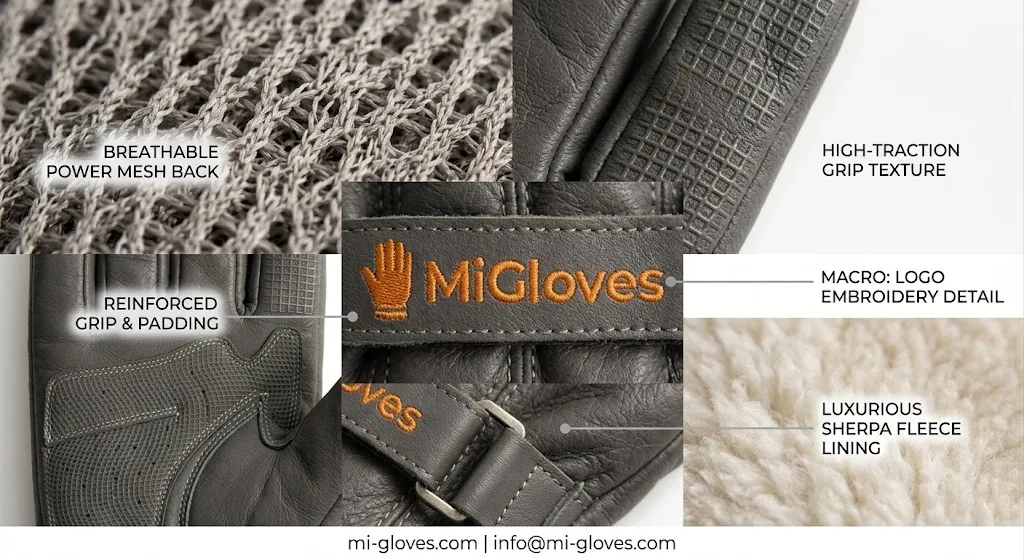
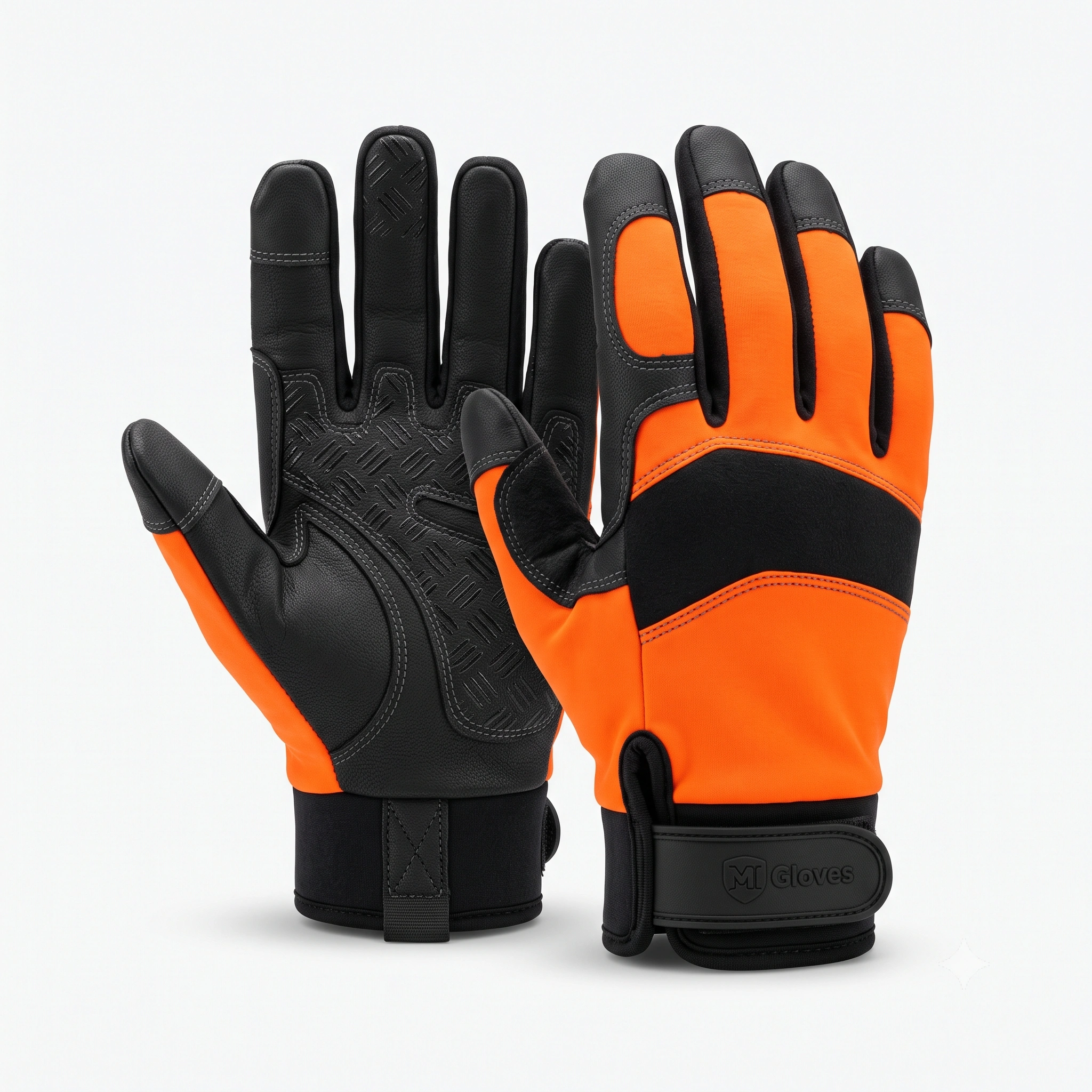
Industrial glove procurement is often treated as a simple commodity purchase until a spike in hand injuries or a budget overrun forces a closer look. For safety managers and purchasing officers in heavy industries, the challenge is finding the sweet spot between high performance protection and realistic unit costs. This guide to Selecting Industrial Safety Gloves: A No-Nonsense Guide for Heavy Industry Procurement cuts through the marketing hype to help you buy what your team actually needs.
The Real Cost of Cheap Gloves
It is tempting to look at a glove as a disposable line item where the lowest price per pair wins. This approach almost always backfires. Cheap, low quality gloves wear out in hours rather than days, which spikes your overall consumption rate and drives up shipping costs. Worse, poor quality control leads to seam failures and variable thickness, leaving workers exposed to injuries that cost thousands of times more than a premium glove.
To buy smart, you must look at cost per shift rather than cost per pair. A five-dollar glove that lasts for six shifts is far cheaper than a two-dollar glove that gets thrown away before lunch. True savings come from buying the correct material spec for the task, ensuring workers actually wear them, and partnering with manufacturers who can guarantee consistent material quality.
Decoding the Standards: ANSI vs. EN388
You cannot buy industrial hand protection without understanding safety ratings. The two primary systems are the American National Standards Institute (ANSI) and the European Standard (EN388). While they measure similar hazards, their testing methods differ, particularly for cut resistance.
Cut Resistance Testing
ANSI uses a scale from A1 to A9, measuring the weight in grams needed to cut through a material with a straight blade. EN388 uses a Coup Test (rated 1 to 5) or the newer TDM-100 test (rated A to F) for high cut materials. For heavy manufacturing and metal fabrication, you should target at least ANSI A4 or EN388 Level D cut resistance. Anything lower is risky around sharp sheet metal or raw stampings.
Abrasion and Puncture
Abrasion ratings are critical for handling concrete, brick, or heavy timber. A high cut rating does not automatically mean high abrasion resistance. For example, some high tech cut resistant fibers degrade quickly when dragged across rough concrete. Always check the abrasion score independently from the cut score.
Matching Glove Materials to Specific Hazards
No single glove material handles every industrial hazard. Selecting Industrial Safety Gloves: A No-Nonsense Guide for Heavy Industry Procurement requires matching the chemical, physical, and thermal environment to the correct polymer or leather.
| Material | Best Suited For | Weakness | Typical Application |
|---|---|---|---|
| Goatskin Leather | High dexterity, tensile strength, oil resistance | Low chemical protection | Riggers, welding, light assembly |
| Nitrile Coated Knit | Dry and oily grip, puncture resistance | Poor heat insulation | Automotive assembly, metal stamping |
| Kevlar / Aramid | Heat resistance, high cut protection | Soggy when wet, degrades in UV light | Glass manufacturing, steel mills |
| PVC (Polyvinyl Chloride) | Petrochemicals, acids, low temperature flexibility | Poor puncture resistance, stiffens over time | Chemical handling, offshore drilling |
Leather vs. Synthetic Coated Gloves
Traditional leather riggers are still highly valued in heavy construction and oilfields for their natural puncture resistance and spark tolerance. Goatskin offers the best dexterity among leathers, while cowhide is bulkier but cheaper. For high precision assembly and heavy oil grip, modern polyurethane or nitrile dipped seamless knit gloves are superior because they reduce hand fatigue and offer better tactile feedback.
The Pitfalls of Over-Specifying
A common mistake in industrial procurement is buying the highest possible protection level for every worker. Buying ANSI A9 cut resistant gloves for a team that spends eighty percent of their day handling cardboard boxes is a massive waste of budget. High protection gloves are thicker, heavier, and less comfortable. When gloves are uncomfortable, workers take them off. That is when accidents happen.
Conduct a thorough hazard assessment of each job site. Group your tasks into low, medium, and high risk zones. This allows you to purchase a mix of lightweight, highly breathable gloves for general handling, and reserve the expensive, heavy duty specialty gloves for the specific teams that face sharp metals, extreme heat, or hazardous chemicals.
Sourcing Direct from OEM Manufacturers
When buying in bulk for global operations, working with an experienced manufacturer in Pakistan like MiGloves offers significant cost advantages. Dealing direct allows you to customize the glove specifications, choose custom branding, and control the exact blend of materials used in your production run. This bypasses distributor markups and ensures you get consistent quality from batch to batch, which is vital for maintaining compliance in highly regulated heavy industries.
Frequently Asked Questions
What is the difference between ANSI and EN388 cut levels?
ANSI cut levels run from A1 to A9 and measure the weight in grams required to cut a material using a straight blade. EN388 uses a scale from A to F under the TDM-100 test method. While similar, ANSI offers a wider, more granular range of testing, which makes it easier to match specific glove models to precise industrial hazards.
How do I choose between cowhide and goatskin leather gloves?
Goatskin leather is highly recommended for tasks requiring high dexterity and touch sensitivity because it has high natural lanolin content, making it soft and highly pliable. Cowhide is thicker, stiffer, and cheaper, making it better suited for heavy rigging, welding, and general manual labor where fine motor skills are not required.
Why do safety gloves wear out so quickly in wet or oily conditions?
Standard safety gloves degrade quickly in wet environments because the materials absorb liquids, causing fiber breakdown and seam rot. For oily or wet conditions, you must select gloves with a double nitrile or PVC coating, which creates an impermeable barrier that protects both the hand and the structural integrity of the glove fibers.
What cut level is required for handling sharp sheet metal?
Handling sharp sheet metal or glass generally requires a minimum of an ANSI A4 or EN388 Level D cut resistance rating. For heavy fabrication, high pressure stamping, or highly abrasive metal edges, you should step up to ANSI A5 to A7 ratings to ensure adequate protection against deep lacerations.