The Fit Gap in Industrial Winter Hand Protection
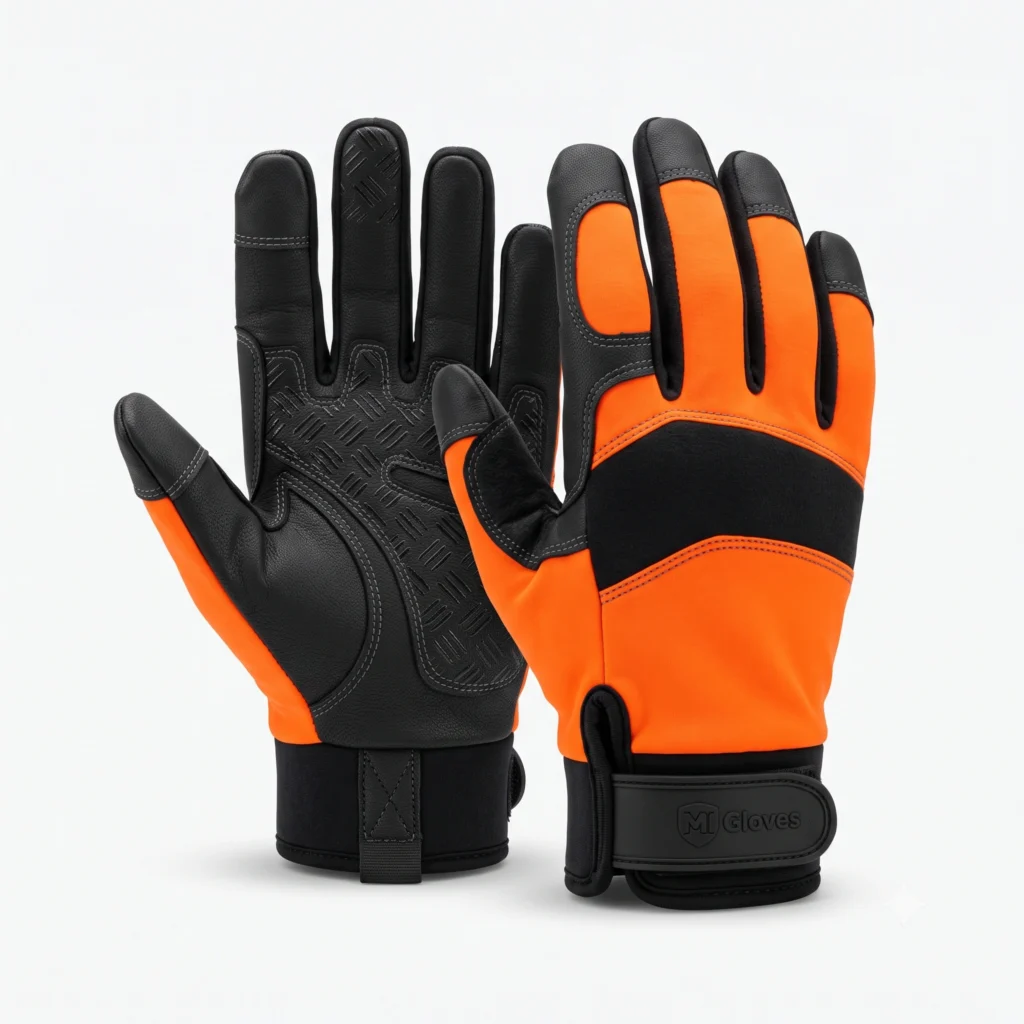
For decades, industrial procurement teams treated women’s work gloves as an afterthought. The standard solution was to order smaller sizes of men’s patterns. This approach fails because a woman’s hand is not just a scaled-down version of a man’s hand. Women generally have narrower palms, longer fingers relative to palm width, and different wrist proportions. When you force female workers into ill-fitting unisex gloves, dexterity drops, fatigue sets in, and workers eventually remove the gloves to perform precise tasks, exposing them to extreme cold and wet conditions.
Sourcing bulk safety gear requires balancing cost against worker protection. In cold, wet environments, that balance is hard to maintain. Water conducts heat away from the body 25 times faster than air. If water penetrates a winter glove, the insulation becomes useless, and the risk of frostbite or cold-stress injuries climbs. This article serves as a procurement guide to sourcing the best women’s waterproof winter gloves, helping safety managers and wholesale distributors select inventory that actually performs in field conditions.
Understanding the Waterproof Barrier
Many glove manufacturers label their products as waterproof when they are merely water-resistant. There is a costly difference between a glove that sheds a light drizzle and one that remains dry during eight hours of handling wet pipes, snow, or slush.
The Multi-Layer Construction
True waterproof winter gloves require a three-layer construction to keep hands warm and dry while allowing sweat to escape:
- Outer Shell: The first line of defense. It should have a durable water repellent coating to prevent the face fabric from absorbing water, which adds weight and causes evaporative cooling.
- Waterproof Membrane: A polyurethane or polytetrafluoroethylene insert located between the outer shell and the insulation. This membrane has pores small enough to block liquid water droplets but large enough to let moisture vapor escape.
- Thermal Insulation: The inner lining that traps air to keep hands warm. It must remain dry to function effectively.
Common Membrane Failures in Cheap Imports
When sourcing at a wholesale level, ask suppliers how their membranes are integrated. Cheap winter gloves often use free-floating bag inserts that are only stitched at the cuffs. Over time, these inserts twist, bunch up, or get punctured by sewing needles during assembly. Look for gloves where the membrane is laminated or securely anchored at the fingertips. This prevents the lining from pulling out when workers take the gloves off with damp hands.
Insulation Materials and Weight Rules
The thickness of the insulation is not the only factor that determines warmth. Heavy, bulky gloves restrict hand movement, which defeats the purpose of sourcing a women’s specific fit. For professional work gloves, synthetic microfibers are the industry standard because they trap maximum air in a minimal profile.
| Insulation Weight (Grams per Square Meter) | Recommended Temperature Range | Ideal Industrial Applications |
|---|---|---|
| 40g to 80g | 0°C to -10°C (32°F to 14°F) | Light industrial work, driving, warehousing, equipment operation. |
| 100g to 150g | -10°C to -25°C (14°F to -13°F) | Cold storage, construction, outdoor utility maintenance, commercial fishing. |
| 200g+ | Below -25°C (-13°F and lower) | Extreme arctic environments, stationary work in sub-zero temperatures. |
For most commercial winter tasks, 40 to 100 grams of high-quality synthetic insulation provides the sweet spot. It offers enough warmth to prevent stiff fingers while preserving the dexterity needed to handle tools, operate control panels, or tie knots.
Sizing and Pattern Selection for Women
A true women’s fit requires specific pattern adjustments during the manufacturing process. When reviewing samples from a glove factory, check these physical details rather than relying on sizing labels alone.
The Palm-to-Finger Ratio
Women’s hands generally have longer, narrower fingers relative to the width of the palm. A unisex glove of the same overall length will often have excess material bulging in the palm area, which reduces grip security. Look for patterns that taper at the wrist and offer a narrower palm width to ensure the glove hugs the hand securely.
Wrist Closure Systems
Cold air and water enter easily through loose cuffs. For heavy industrial work, a gauntlet cuff with an adjustable drawcord is best because it can be pulled over jacket sleeves to block wind and snow. For tasks requiring high wrist mobility, a knit wrist or a hook-and-loop closure strap keeps the glove snug and prevents heat loss.
Sourcing Checklist for Bulk Buyers
Before placing a container-load order for your safety brand or distributorship, run through these quality checks with your manufacturing partner:
- Check EN 511 Ratings: Verify the gloves have been tested for convective cold, contact cold, and water permeability. A rating of 1 in the water permeability test means the glove remained waterproof for at least 30 minutes of continuous water exposure.
- Material Durability: Waterproof membranes are fragile. Ensure the palm area is reinforced with durable synthetic leather, goatskin, or heavy-duty polyurethane patches to protect the membrane from friction wear.
- Seam Quality: Look for double-stitched seams in high-wear areas like the thumb crotch. Seams on the outer shell must be sealed or taped to prevent water tracking through stitch holes.
- Washability: Work gloves get dirty. Verify if the waterproof membrane and outer treatment can withstand industrial laundering without losing their waterproof properties.
The Bottom Line on Sourcing Decisions
Investing in a dedicated women’s waterproof winter glove line is no longer a niche choice; it is a necessity for modern industrial safety compliance and workforce satisfaction. Cutting corners on cheap materials or relying on ill-fitting unisex designs leads to higher injury rates, lower productivity, and wasted procurement budgets. Look for manufacturers that understand the anatomy of a woman’s hand and use certified, multi-layer waterproofing techniques. If you need help developing or sourcing a custom range of high-performance women’s winter work gloves, contact our product team today to request material samples and technical specifications.
Frequently Asked Questions
What is the difference between water-resistant and waterproof women's winter gloves?
Water-resistant gloves have a surface treatment that sheds light moisture but will saturate under pressure or prolonged wetness. Waterproof gloves contain an internal, fully sealed membrane that blocks liquid water from passing through to the hand, even when submerged.
What EN standards apply to waterproof winter work gloves?
The primary European standard is EN 511, which measures a glove’s resistance to convective cold, contact cold, and water penetration. A score of 1 on the water penetration test indicates the glove has successfully prevented water leakage for a minimum of 30 minutes.
Why is a dedicated women's glove pattern important for winter work?
Women’s hands have narrower palms and longer fingers relative to palm width compared to men’s hands. A dedicated women’s pattern prevents bulky, loose material in the palm, which maintains dexterity and reduces hand fatigue during cold-weather operations.
How do you wash waterproof industrial winter gloves without ruining them?
Most waterproof winter gloves should be air-dried and hand-washed or laundered on a gentle cycle with mild detergent. High heat and harsh industrial bleaches can degrade the internal waterproof membrane and strip the outer water-repellent coating.