Washable Gym Gloves Care and Manufacturing Guide: Materials, Washing, and Durability
Workout handwear faces extreme operational conditions. During vigorous strength training and cardio sessions, gloves absorb concentrated salt sweat, body sebum, chalk dust, and airborne gym bacteria. Without proper maintenance, gloves rapidly develop stiffened fabric, foul odor, compromised seam strength, and diminished grip traction. For fitness apparel brands and sports retailers, educating consumers on glove care and selecting durable, washable construction materials is essential for preventing product returns and fostering brand loyalty. This B2B guide covers the technical care protocols and manufacturing specifications for washable gym gloves.
Can All Gym Gloves Be Washed? Synthetic vs. Natural Leather
A widespread misconception is that all gym gloves can simply be tossed into a domestic washing machine. In reality, washing compatibility is dictated strictly by base material composition:
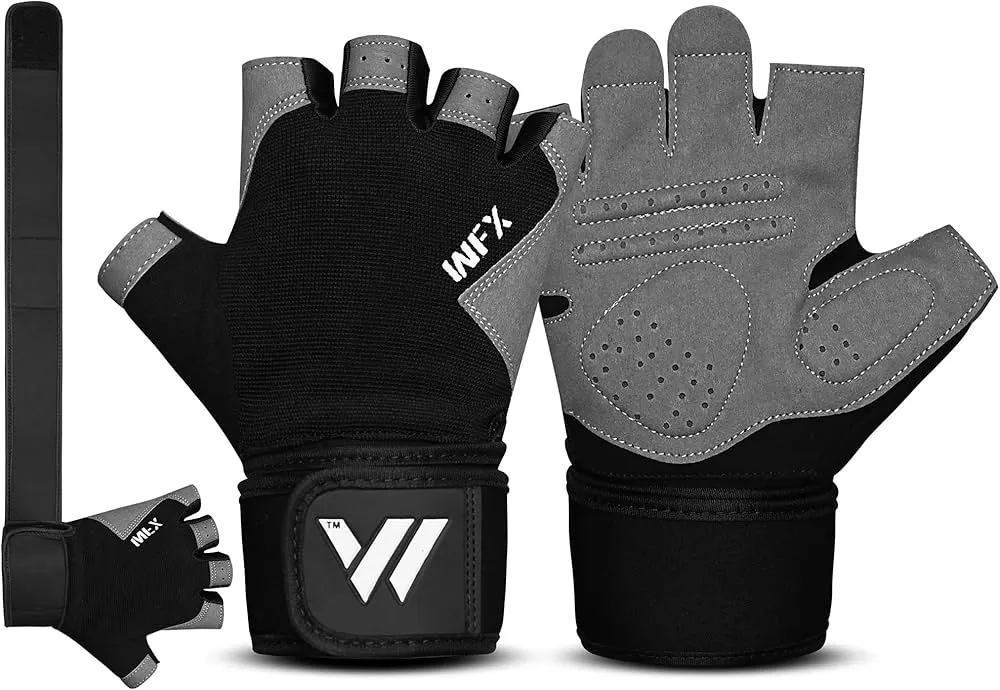
- Synthetic Microfiber and Amara Suede: Highly suitable for washing. High-tenacity synthetic suedes consist of tightly interwoven polyester and polyurethane microfibers that maintain structural softness and dimensional stability even after repeated immersion in water.
- Technical Mesh and Spandex Backs: Readily washable. Breathable polyester meshes and elastane knits release sweat and grime quickly under gentle detergent action.
- Natural Full-Grain or Goatskin Leather: Not suitable for machine washing. Machine washing natural animal hide strips away essential tanning oils, causing the leather to shrink, crack, dry out, and become brittle. Natural leather handwear requires spot cleaning with a damp cloth and specialized leather conditioner.

Material-Specific Care and Maintenance Reference Table
| Glove Material | Recommended Wash Method | Water Temperature | Safe Drying Protocol | Grip Maintenance Protocol | Wash Longevity Rating |
|---|---|---|---|---|---|
| Synthetic Amara Suede | Hand wash or Gentle Machine Cycle | Cold (< 30°C / 85°F) | Air dry flat away from heat | Rinse chalk residue thoroughly | High (50+ wash cycles) |
| 4-Way Stretch Lycra / Mesh | Machine wash in mesh bag | Cold (< 30°C / 85°F) | Air dry in ventilated area | Avoid abrasive Velcro snagging | Very High (75+ wash cycles) |
| Heat-Bonded Silicone Grip | Hand wash with mild soap | Cold or Lukewarm | Air dry in shade | Avoid solvent-based cleaners | High (Retains friction) |
| Natural Cowhide / Goatskin | Spot cleaning with damp cloth | Cold only (No soaking) | Air dry; apply leather balm | Condition leather to preserve pliability | Requires careful maintenance |
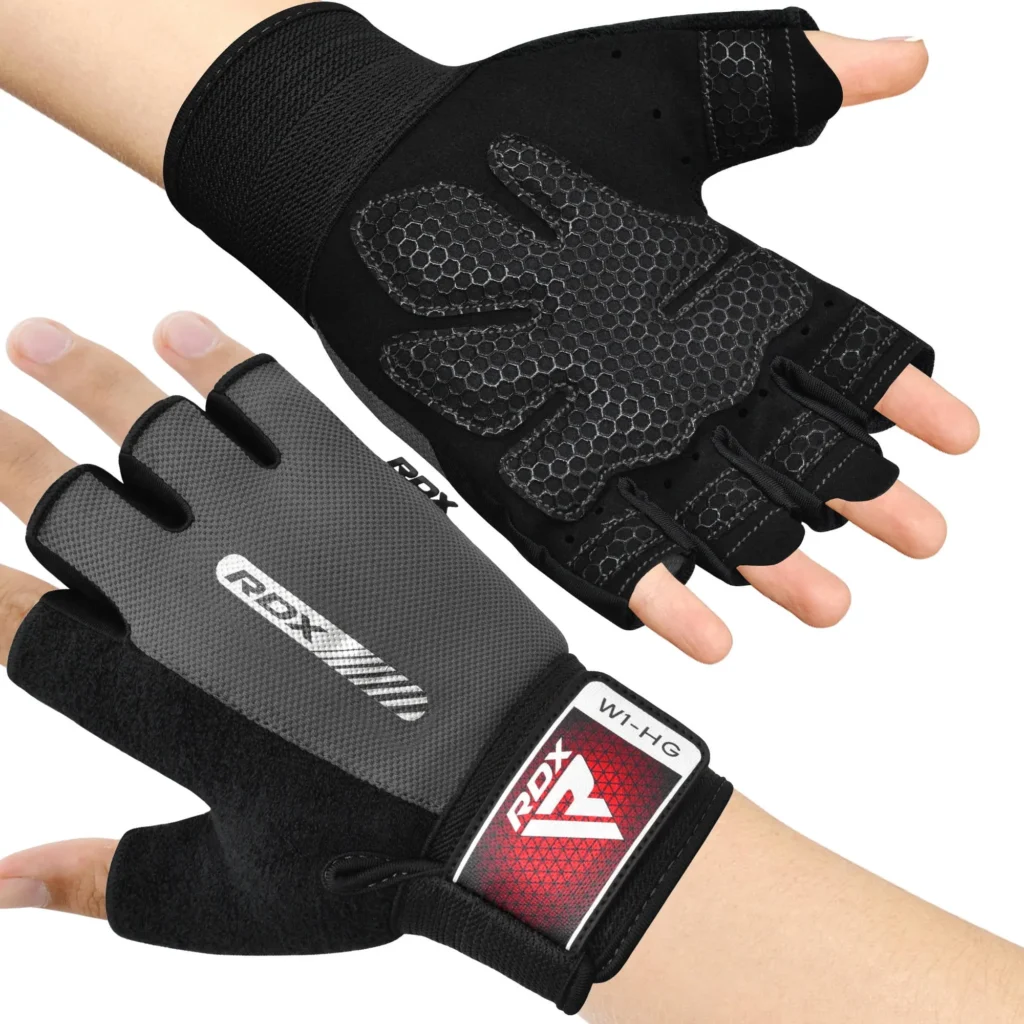
| Neoprene Wrist Wrap | Hand wash in mild detergent | Cold (< 30°C / 85°F) | Hang dry completely | Fasten hook-and-loop before washing | Moderate to High |
Standard Washing Protocols: Step-by-Step Instructions
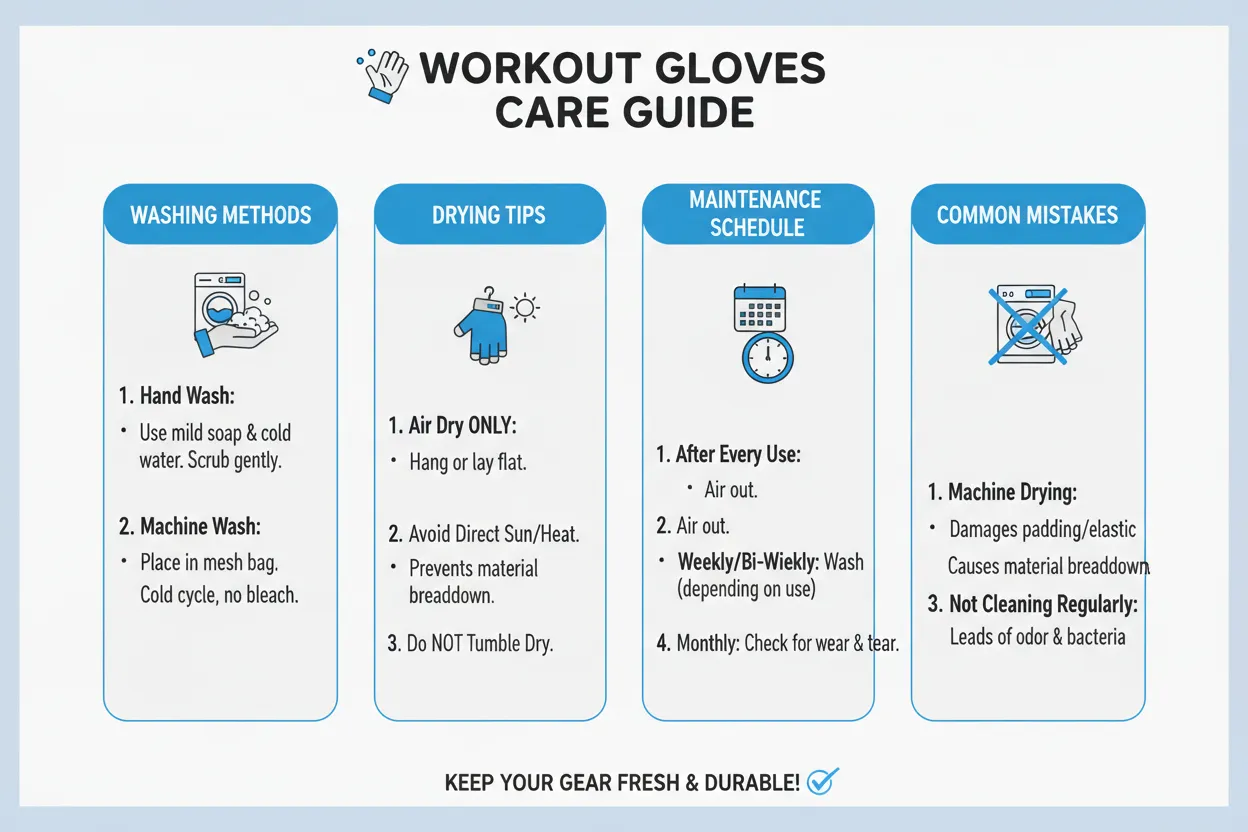
Method 1: Gentle Hand Washing (Recommended for All Synthetic Gloves)
- Fill a basin with cool water and mix in a teaspoon of mild, eco-friendly liquid laundry detergent. Avoid bleach, fabric softeners, or harsh stain removers.
- Submerge gloves and gently massage the palm, finger webbing, and interior lining to dislodge sweat salts and chalk buildup.
- Soak for 10 to 15 minutes to eliminate odor-causing bacteria.
- Rinse thoroughly under running cold water until all detergent suds are completely cleared. Residual soap attracts dirt and degrades silicone grip patterns.
- Gently press water out by rolling gloves in a clean dry towel. Never wring or twist gloves, as this distorts seam stitching and wrist webbing.
- Reshape gloves and allow them to air dry flat in a shaded, well-ventilated area.
Method 2: Machine Washing (Synthetic Fabric and Microfiber Only)
If utilizing a machine washer, always place gloves inside a zippered mesh laundry wash bag. Secure all hook-and-loop wrist closures tightly to prevent abrasive Velcro hooks from snagging delicate dorsal mesh or fraying thread seams. Select the delicate or hand-wash cycle with cold water, and ensure the spin cycle is set to low speed.
Drying Guidelines: Protecting Elastane and Adhesives
Exposing athletic gloves to direct high heat—such as automated tumble dryers, baseboard radiators, or direct high-noon sun—is the primary cause of premature equipment failure. Heat degrades the polyurethane adhesives bonding silicone grip patterns and causes elastane yarns to lose elasticity, resulting in sagging, loose handwear. Always air dry at ambient room temperature.
Engineering Washable Handwear for Commercial Brands
At Mi-Gloves, we engineer fitness handwear specifically optimized for repeated laundering cycles:
- Hydrophobic synthetic microfibers that repel water retention, facilitating rapid drying within hours.
- Antimicrobial fabric treatments integrated into inner linings to suppress bacterial growth and sweat odors at the source.
- Sonic-welded silicone grip matrices that resist mechanical peeling during agitation.
- Rot-resistant bonded polyester thread that maintains seam integrity despite repeated wet-dry transitions.
Discover our capabilities in custom sports handwear, collaborate with our team as a specialized fitness accessories manufacturer, and learn how we engineer airflow in our breathable gym gloves guide.
Frequently Asked Questions (FAQs)
Can gym gloves be put in an automatic clothes dryer?
No. Tumble drying exposes gloves to excessive heat and mechanical tumble friction, which shrinks synthetic fabrics, warps foam padding, and melts the adhesive holding silicone grip patterns.
How often should athletes wash their workout gloves?
Athletes training four to six days per week should wash their gloves every one to two weeks. Between washes, gloves should be unstrapped and hung in a well-ventilated area to air out completely after each workout session.
What is the most effective way to eliminate stubborn gym glove odor?
Soaking gloves for twenty minutes in a basin of cold water containing a half-cup of white distilled vinegar neutralizes trapped sweat odor and breaks down odor-causing bacteria without harming synthetic fabrics.
Why did my leather gym gloves become stiff after washing?
Water strips the essential conditioning oils from animal leather fibers. Once dried, the collagen fibers stiffen and become brittle. To restore flexibility, apply a small amount of leather balm or oil to the exterior surfaces.
Does washing reduce the grip performance of silicone-printed gloves?
Regular washing actually restores grip by removing body oils, sweat residue, and chalk dust that clog the silicone micro-textures. However, avoid fabric softeners, as they leave a slick chemical film over grip surfaces.
Can care labels with specific washing symbols be customized for private labels?
Yes. We produce custom woven or heat-sealed care labels featuring your international wash care symbols, fiber content disclosures, country of origin, and custom brand logos.