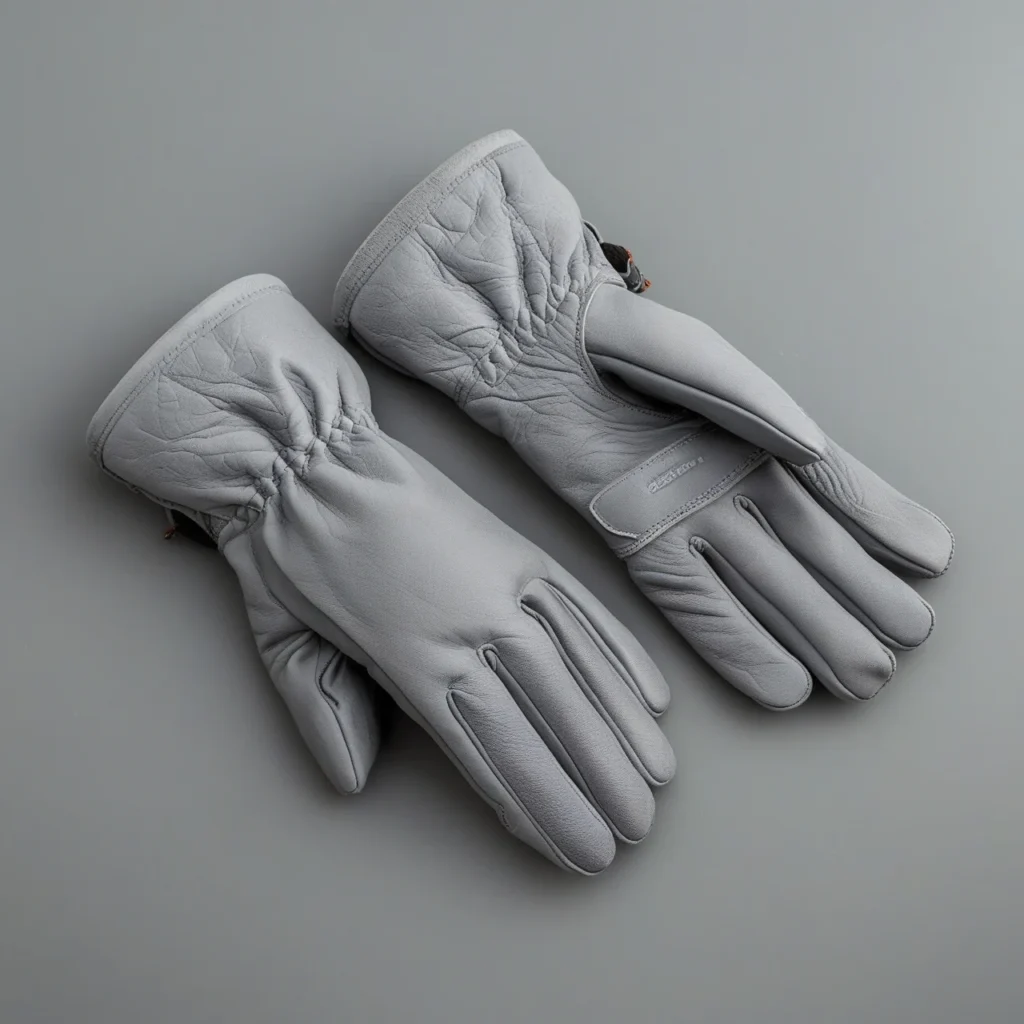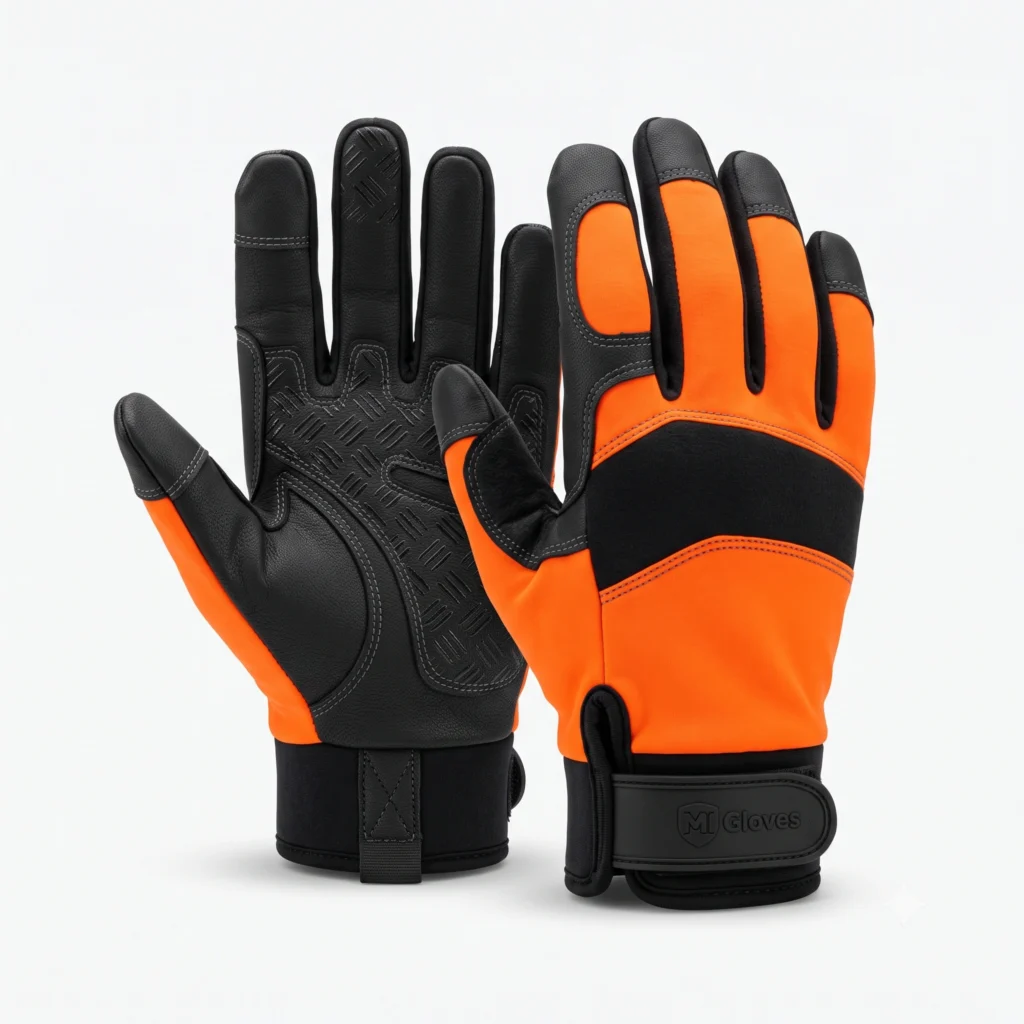
Choosing the correct size and fit for uniform gloves is crucial for comfort, safety, and performance. Ill-fitting gloves can reduce dexterity, cause discomfort, and even compromise safety during work or ceremonial duties. This guide explores measurement tips, fit guidelines, and material considerations to help organizations, buyers, and individual users select the right uniform gloves.
1. Introduction to Uniform Gloves
Uniform gloves are essential accessories in many professional, ceremonial, and industrial environments. They provide protection, hygiene, and a polished appearance. Choosing the correct size and fit ensures that gloves are comfortable, functional, and maintain their intended performance over time.
2. Why Correct Size and Fit Matter
Properly fitting gloves are critical for several reasons:
- Dexterity: Correctly sized gloves allow free movement of fingers and hands, essential for handling tools, instruments, or ceremonial equipment.
- Comfort: Gloves that are too tight can restrict blood flow and cause discomfort, while loose gloves can slip off or reduce precision.
- Safety: Ill-fitting gloves may increase the risk of accidents, cuts, or exposure to contaminants.
- Appearance: Uniform gloves that fit well contribute to a professional and polished look during ceremonies, parades, or inspections.
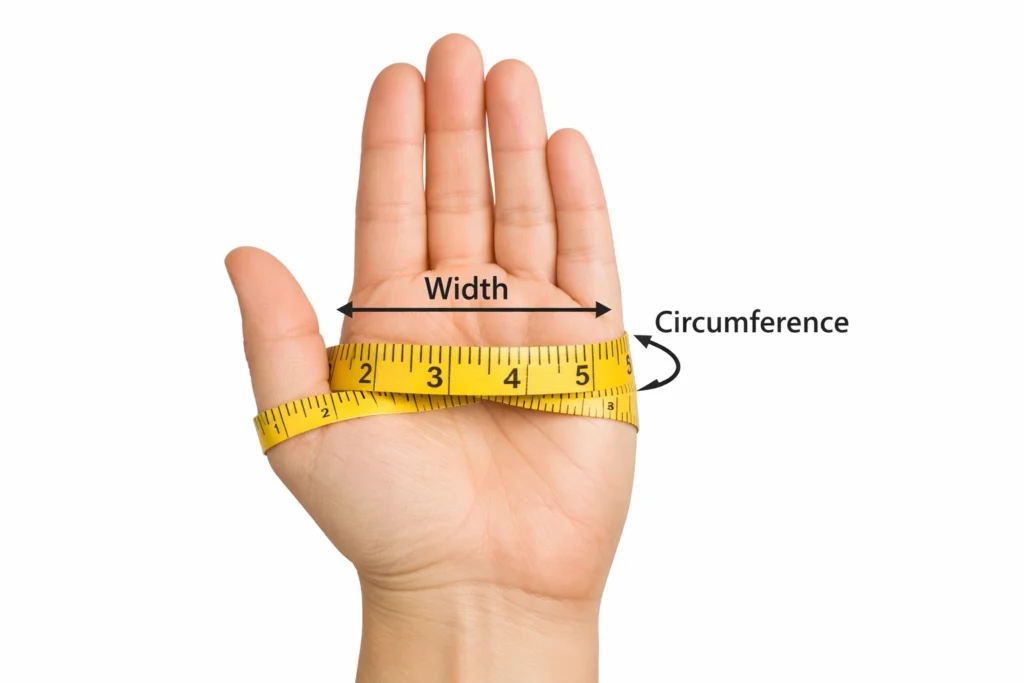
3. How to Measure Hands for Gloves
Accurate measurement is the first step in selecting the right glove size. Follow these steps:
- Use a flexible measuring tape.
- Measure around the widest part of your hand (excluding the thumb).
- Note the measurement in inches or centimeters.
- Measure the length from the tip of the middle finger to the base of the palm for additional reference.
These measurements will help match your hand to the manufacturer’s size chart for accurate fit.
4. Using Size Charts Effectively
Most glove manufacturers provide detailed size charts. Here’s how to use them:
- Compare your hand measurements to the chart to find the best fit.
- Consider any adjustments for glove materials (some fabrics stretch over time).
- If measurements fall between two sizes, choose the slightly larger size for comfort or the smaller size for precision tasks.
- Remember that different manufacturers may have slightly different sizing standards.
5. Material Considerations for Fit
The material of uniform gloves affects sizing and comfort:
- Cotton: Breathable, slightly stretchy, comfortable for ceremonial or indoor use.
- Polyester: Durable, maintains shape, may feel tighter initially.
- Leather: Natural leather molds to the hand over time but may require a break-in period.
- Blend Fabrics: Combinations of cotton, polyester, or spandex offer a balance of comfort, durability, and fit.
6. Testing the Fit of Uniform Gloves
After selecting gloves, test the fit by checking:
- Finger movement: Ensure all fingers can move freely without excess space.
- Palm coverage: The glove should cover the entire palm without pulling or bunching.
- Cuff fit: The wrist area should be snug but not tight.
- Flexibility: Perform the tasks you plan to do while wearing the gloves to ensure comfort and dexterity.
If the gloves fail any of these tests, consider a different size or material.
7. Frequently Asked Questions (FAQs)
Can uniform gloves be adjusted if they are slightly large?
Minor adjustments can be made using elastic cuffs or straps, but significantly large gloves should be replaced for safety and comfort.
Do all glove materials stretch over time?
Cotton and spandex blends tend to stretch slightly, while leather and polyester maintain shape and may require break-in or correct initial sizing.
Is there a universal glove size chart?
No, sizes may vary across manufacturers. Always refer to the specific brand’s size chart.
Can children or small hands use adult uniform gloves?
It is recommended to select gloves specifically sized for smaller hands to ensure proper fit and dexterity.
How often should uniform gloves be replaced?
Gloves should be replaced when they show signs of wear, reduced dexterity, or material degradation to maintain safety and appearance.
8. Related Articles & Internal Links
- Uniform White Gloves: Uses, Care, and Industry Standards
- Uniform Leather Gloves: Selection and Care Guide
- Gloves Medium Size: Choosing the Right Fit
For bulk orders or consultation on uniform gloves and sizing, contact us at
info@migloves.com.